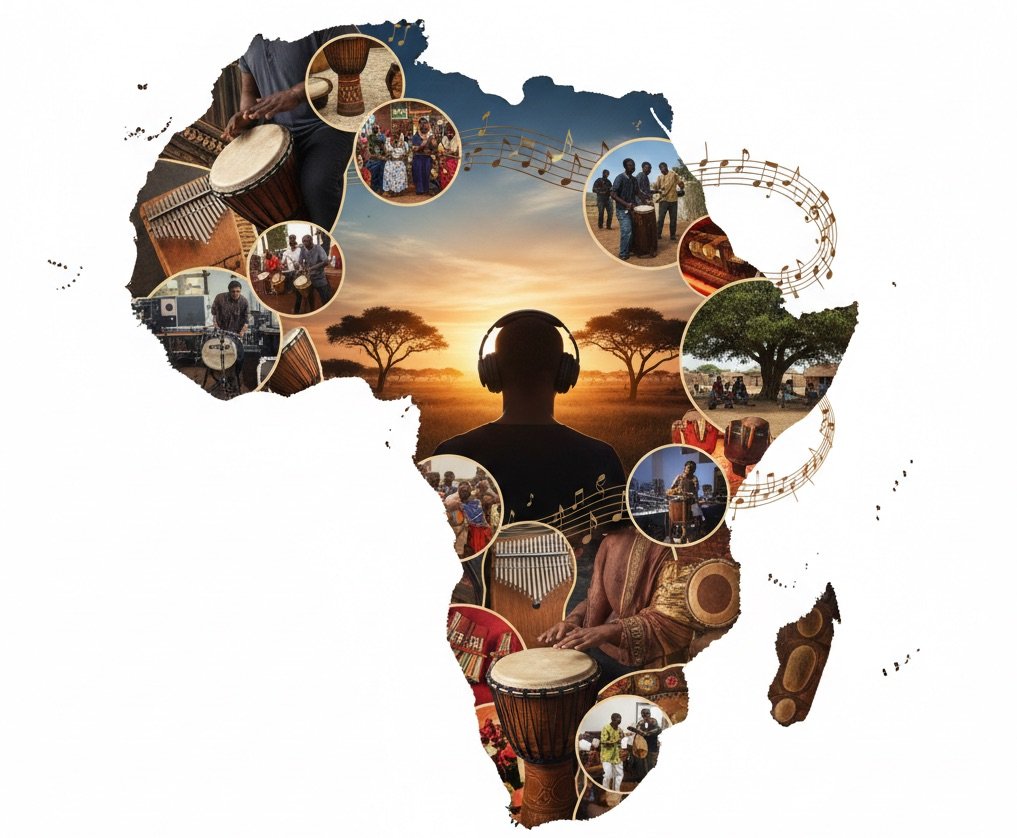
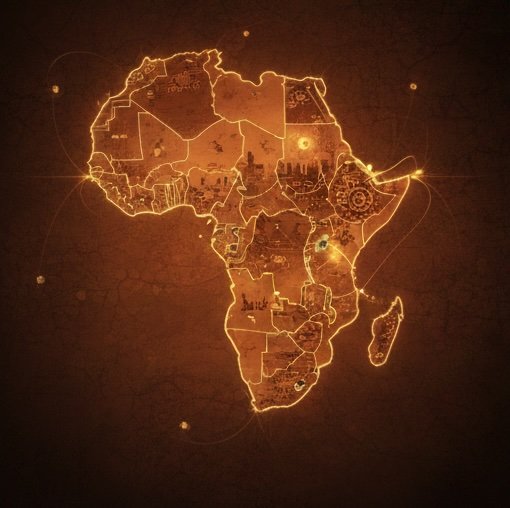
Africa is the foundation of global rhythm — a continent whose musical traditions have shaped genres across the world. Listening in Africa means tuning into a soundscape where ancient drumming patterns, communal singing, storytelling, and modern innovation coexist. From West African griots to South African jazz, from Afrobeat to amapiano, Africa’s influence reaches far beyond its borders. The continent’s music is not only diverse — it is the root of many of the world’s most iconic sounds.
This guide explores the regions, traditions, and rising movements that define Africa’s musical identity — and how listeners and travelers can experience them across the continent.
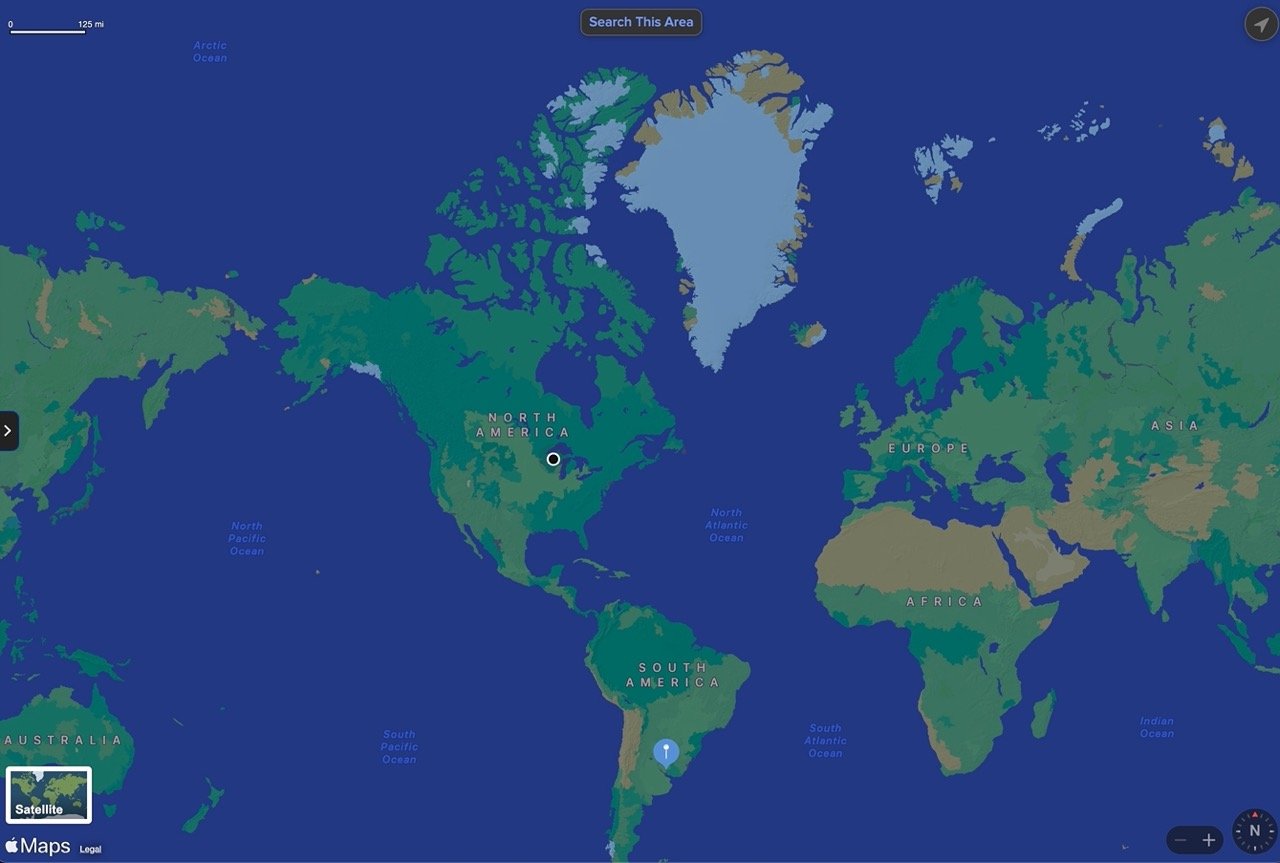
 DUCKDUCKGO MAPS
Africa
Maps are essential for visualizing location-based information. Explore the area related to "Africa" and find points of interest nearby.
A Continent Where Rhythm Begins
Africa’s music is built on deep cultural foundations. Listening here means hearing:
- ancient drumming traditions
- call‑and‑response vocals
- storytelling through song
- regional folk styles
- modern pop, hip‑hop, and electronic scenes
- fusion genres that blend tradition with innovation
Every region has its own musical fingerprint, shaped by history, language, and community.
West Africa: Griots, Drums, and the Birthplace of Global Rhythm


West Africa is one of the most influential musical regions in the world — the source of rhythms that shaped blues, jazz, rock, and modern pop.
Griot Traditions
Griots are storytellers, historians, and musicians who preserve cultural memory through song. Their performances blend poetry, melody, and rhythm.
Drumming and Dance
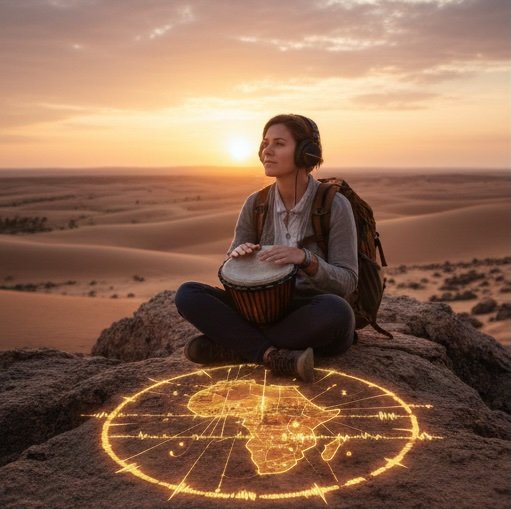
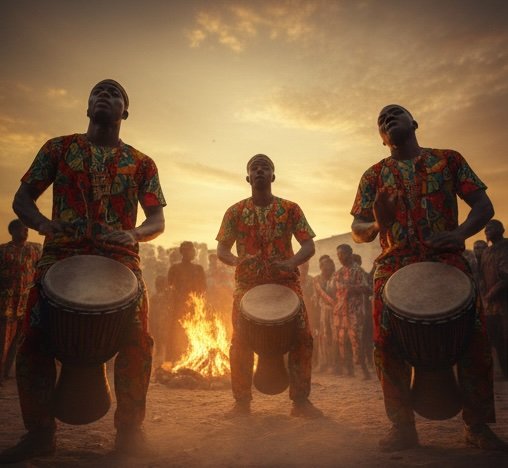
Instruments like the djembe, talking drum, and balafon define West African sound. Drumming is central to ceremonies, celebrations, and community gatherings.
Afrobeat and Afropop
Modern genres like Afrobeat, Afropop, and highlife emerged from West Africa’s musical roots. These styles blend traditional rhythms with modern production, creating global hits.
Listening in West Africa means hearing the heartbeat of global music.
East Africa: Melodies, Swahili Rhythms, and Coastal Influence
East Africa’s music reflects a blend of inland traditions, coastal culture, and Indian Ocean trade routes.
Taarab and Coastal Sounds
Along the Swahili coast, taarab blends African rhythms with Middle Eastern and South Asian influences. Its poetic lyrics and orchestral arrangements create a unique sound.
Traditional Instruments
Instruments like the nyatiti, krar, and masenqo shape regional folk traditions across Kenya, Ethiopia, and neighboring countries.
Modern Scenes
Cities like Nairobi, Addis Ababa, and Dar es Salaam host rising hip‑hop, electronic, and fusion movements that reinterpret traditional styles.
Listening in East Africa means hearing melody, poetry, and cultural blending.
Central Africa: Polyphonic Singing and Deep Rhythmic Traditions
Central Africa’s music is known for its vocal complexity and rhythmic depth.
Polyphonic Vocal Traditions
Communities across the region practice layered vocal harmonies that create rich, textured soundscapes.
Percussion and Dance
Drumming traditions remain central to ceremonies, storytelling, and community life.
Soukous and Modern Styles
Soukous, with its fast guitar lines and dance‑driven rhythms, remains one of Central Africa’s most influential modern genres.
Listening in Central Africa means hearing harmony, movement, and cultural continuity.
North Africa: Desert Blues, Folk Traditions, and Cultural Fusion
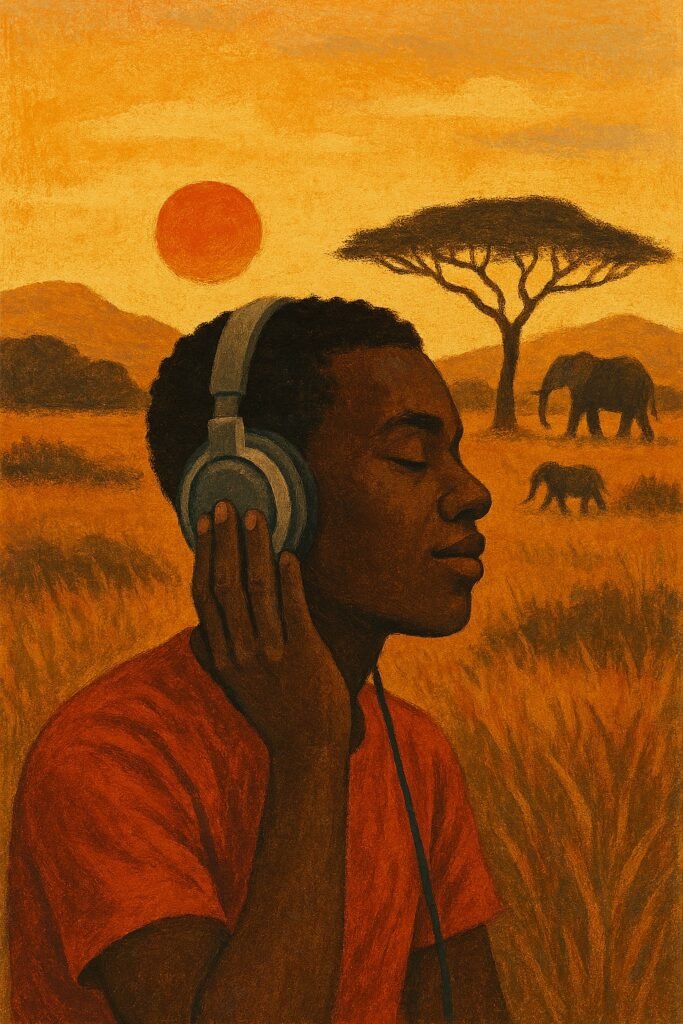
North Africa blends African, Arab, Mediterranean, and Berber influences into a sound that feels both ancient and contemporary.
Gnawa and Spiritual Music
Gnawa music features hypnotic rhythms, chants, and traditional instruments that reflect spiritual and communal traditions.
Desert Blues
Saharan regions produce desert blues — a genre shaped by nomadic life, storytelling, and guitar‑driven melodies.
Modern Fusion
Cities across North Africa host rising electronic, pop, and fusion scenes that blend tradition with modern creativity.
Listening in North Africa means hearing history carried through rhythm.
Southern Africa: Jazz, Choral Traditions, and Modern Innovation
Southern Africa’s music is shaped by harmony, rhythm, and a strong sense of community.
South African Jazz
South African jazz blends traditional rhythms with improvisation, creating a sound that is both expressive and deeply rooted in cultural identity.
Choral and Vocal Traditions
Choral singing is central to many Southern African communities. Harmonies reflect unity, storytelling, and shared history.
Amapiano and Modern Genres
Amapiano — a modern electronic genre — has become one of Africa’s most influential contemporary styles, blending deep basslines, piano melodies, and dance‑driven rhythms.
Listening in Southern Africa means hearing innovation grounded in tradition.
Island Nations: Indian Ocean Rhythms and Cultural Blending
Africa’s island nations — including Madagascar, Mauritius, and the Comoros — offer unique musical traditions shaped by centuries of cultural exchange.
Malagasy Music
Madagascar’s music blends African, Asian, and European influences, creating a sound that is rhythmic, melodic, and deeply tied to local identity.
Sega and Island Rhythms
Sega, a dance‑driven genre, remains central to island celebrations and cultural gatherings.
Listening in Africa’s island regions means hearing the sound of cultural crossroads.
Why Listening in Africa Feels Like Hearing the Source of Modern Music
Africa’s music is shaped by:
- deep rhythmic traditions
- storytelling and community expression
- cultural blending
- ancient instruments
- modern innovation
- global influence
Listening across the continent means experiencing the roots of many genres that define modern music today.

 InternetMusicPlayer | DESTINATIONS
Listening in Europe | Cities That Defined Global Music History
Europe is a continent where music has shaped culture, identity, and global creativity for centuries. Listening in Europe means tuning into cities that gave birth to classical masterpieces, electronic revolutions, folk traditions, and modern genres...
Frequently Asked Questions
What makes African music unique?
Its rhythmic complexity, storytelling traditions, and cultural diversity create a sound found nowhere else.
Which African region is most influential in global music?
West Africa is foundational, but every region contributes unique styles and traditions.
Is African music only traditional?
No — Africa has thriving modern scenes including Afropop, hip‑hop, electronic, and fusion genres.
Can travelers experience live music across Africa?
Yes, festivals, cultural events, and community gatherings are common throughout the continent.
What instruments are common in African music?
Drums, stringed instruments, flutes, and many regional styles shape the continent’s sound.
Are modern African genres globally influential?
Absolutely — Afrobeat, amapiano, and Afropop have become major global forces.
Do different regions have distinct musical identities?
Every region has its own traditions shaped by history, culture, and environment.
Final Thoughts
Listening in Africa is a journey through sounds and scenes that shaped modern music — a continent where rhythm, storytelling, and cultural expression form the foundation of global sound. From West African drumming to South African jazz, from desert blues to modern Afropop, every region offers a unique musical experience shaped by history and creativity. Exploring these traditions reveals how deeply music connects communities across Africa, inviting listeners and travelers to experience the continent through its rhythms, stories, and evolving sound.
Africa | Europe | South America | North America | Asia | The Caribbean
The Middle East | Oceania | The United Kingdom