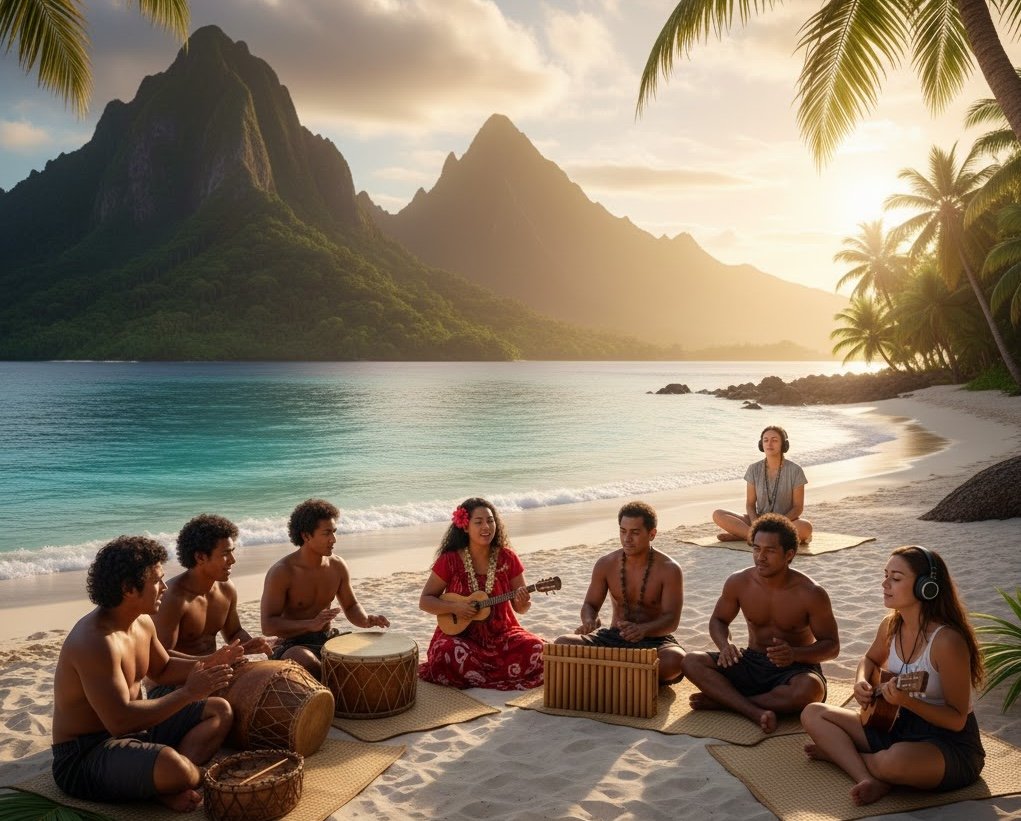
Oceania is a vast region of islands, coastlines, and cultures where music is woven into daily life, storytelling, and community identity. Listening in Oceania means tuning into a soundscape shaped by ancient traditions, ocean rhythms, ceremonial chants, and modern genres that continue to evolve across the Pacific. From Polynesian harmonies to Melanesian percussion, from Māori waiata to contemporary island reggae, Oceania offers a musical journey unlike anywhere else in the world.
This guide explores the islands, traditions, and modern scenes that define Pacific music culture — and how travelers can experience them firsthand.
 OPENSTREETMAP
Oceania
Maps are essential for visualizing location-based information. Explore the area related to "Oceania" and find points of interest nearby.
A Region Where Music and Identity Are One
Across Oceania, music is more than entertainment. It is:
- a form of storytelling
- a way to preserve history
- a connection to ancestors
- a celebration of community
- a reflection of land and sea
Listening here means hearing the voices, rhythms, and ceremonies that have shaped island life for generations.
Polynesia: Harmony, Chants, and Cultural Expression
Polynesia spans a wide region — including Hawaii, Samoa, Tonga, and French Polynesia — each with its own musical traditions rooted in harmony, movement, and storytelling.
Hawaii: Slack‑Key Guitar and Island Reggae
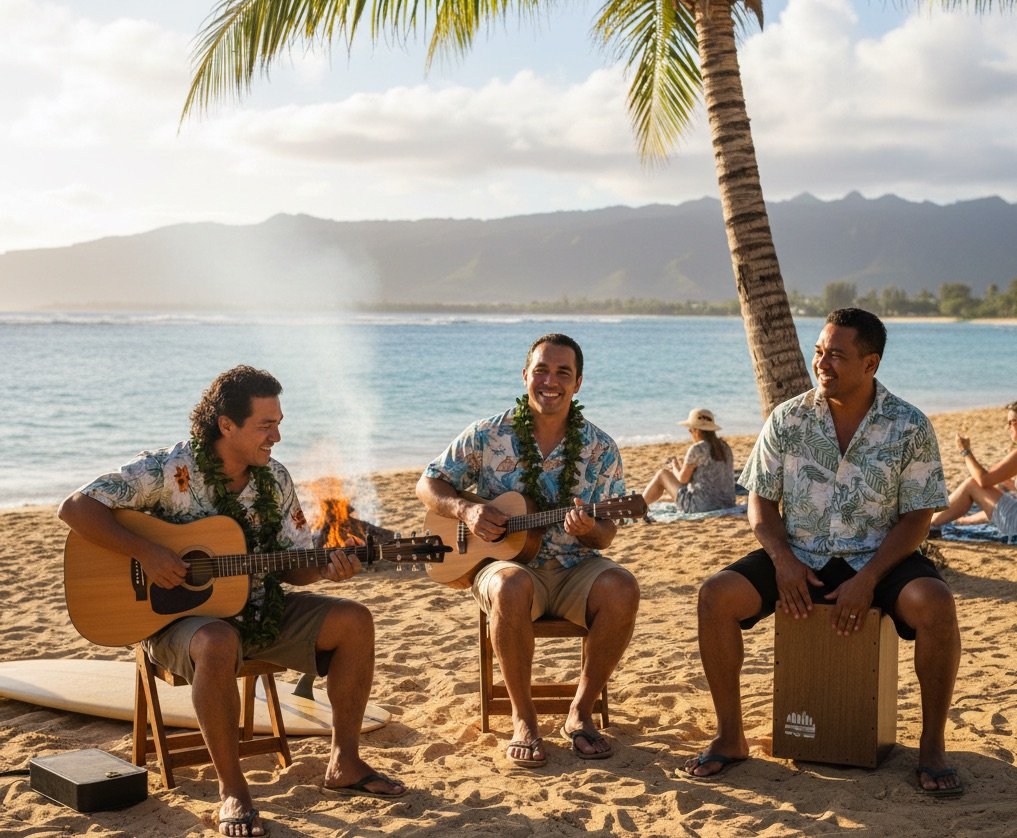


Hawaiian music blends Indigenous traditions with global influences. Slack‑key guitar, ukulele melodies, and modern island reggae create a warm, recognizable sound that reflects the islands’ laid‑back spirit.
Samoa and Tonga: Powerful Choral Traditions
Choral singing is central to Samoan and Tongan culture. Community choirs, church gatherings, and ceremonial performances showcase rich harmonies and vocal strength.
French Polynesia: Drums and Dance
Traditional drumming and dance remain essential to cultural celebrations, with rhythms that echo across festivals and community events.
Listening in Polynesia means hearing harmony, rhythm, and cultural pride.
Melanesia: Deep Rhythms and Cultural Diversity
Melanesia — including Fiji, Papua New Guinea, Vanuatu, and the Solomon Islands — is known for its rhythmic complexity and diverse musical traditions.
Papua New Guinea: Ancient Rhythms and Tribal Sounds
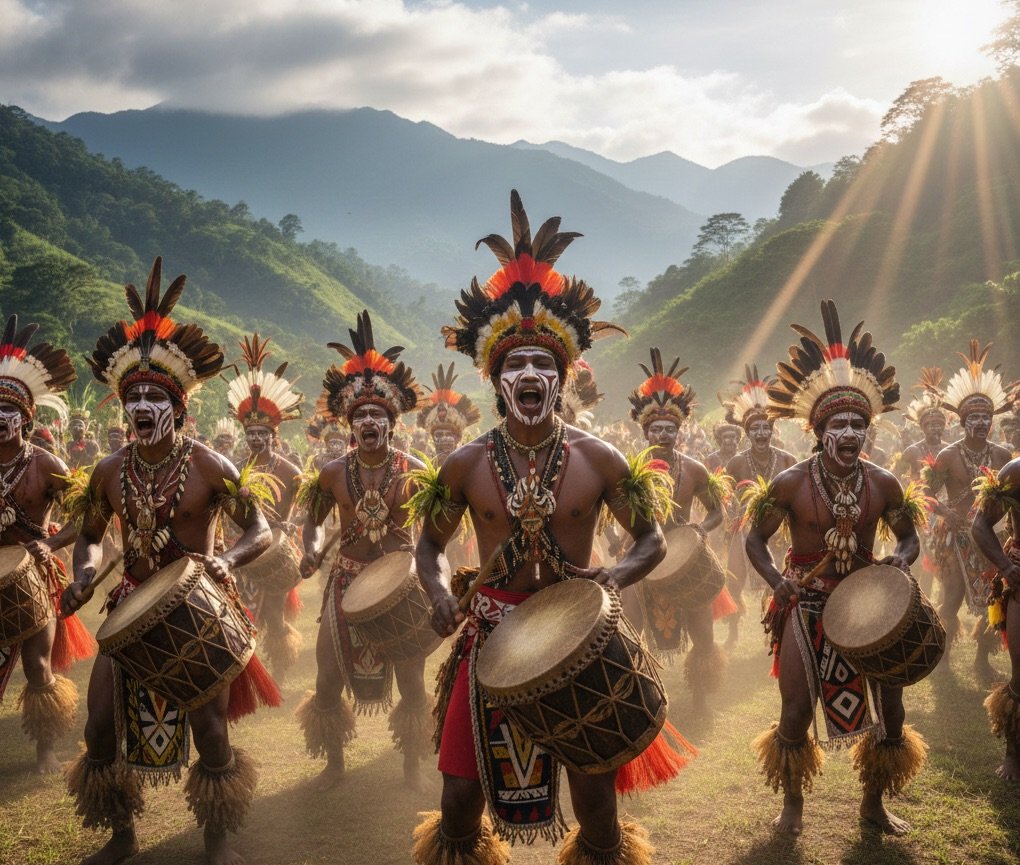
With hundreds of cultural groups, Papua New Guinea has one of the most diverse musical landscapes in the world. Drumming, chanting, and ceremonial performances reflect deep cultural roots.
Solomon Islands: Natural Soundscapes
Music here often incorporates natural elements — water drumming, bamboo instruments, and layered vocal harmonies create a sound that feels connected to the land and sea.
Fiji: Blending Tradition and Modernity
Fijian music blends traditional chants with contemporary island pop, creating a sound that bridges past and present.
Listening in Melanesia means hearing the heartbeat of the Pacific.
Micronesia: Storytelling Through Song
Micronesia — including Guam, Palau, Kiribati, and the Marshall Islands — carries musical traditions centered on storytelling, navigation, and community life.
Chants and Ancestral Songs
Traditional songs often recount history, genealogy, and journeys across the ocean. These chants preserve knowledge passed down through generations.
Community Gatherings
Music is central to celebrations, ceremonies, and cultural events, where group singing and rhythmic movement bring communities together.
Modern Influences
Contemporary island pop and reggae have become popular across Micronesia, blending global styles with local identity.
Listening in Micronesia means hearing stories carried across the sea.
Aotearoa New Zealand: Māori Music and Modern Innovation
New Zealand’s music culture is shaped by Māori traditions and a thriving modern scene.
Waiata and Haka
Māori music includes waiata (songs), haka (ceremonial performance), and taonga pūoro (traditional instruments). These expressions carry deep cultural meaning and connection to ancestry.
Contemporary Scenes
New Zealand’s cities host vibrant indie, electronic, hip‑hop, and reggae scenes. Many artists blend Māori language and themes with modern production.
Cultural Fusion
The country’s music reflects a blend of Indigenous heritage, Pacific identity, and global influences.
Listening in New Zealand means hearing tradition and innovation side by side.
Island Reggae: A Modern Pacific Sound
Across Oceania, reggae has become a defining modern genre. Its warm rhythms, positive messages, and island‑influenced style resonate deeply with Pacific communities.
Regional Variations
Each island adds its own flavor — from Hawaiian reggae to Fijian island pop to New Zealand’s roots‑inspired sound.
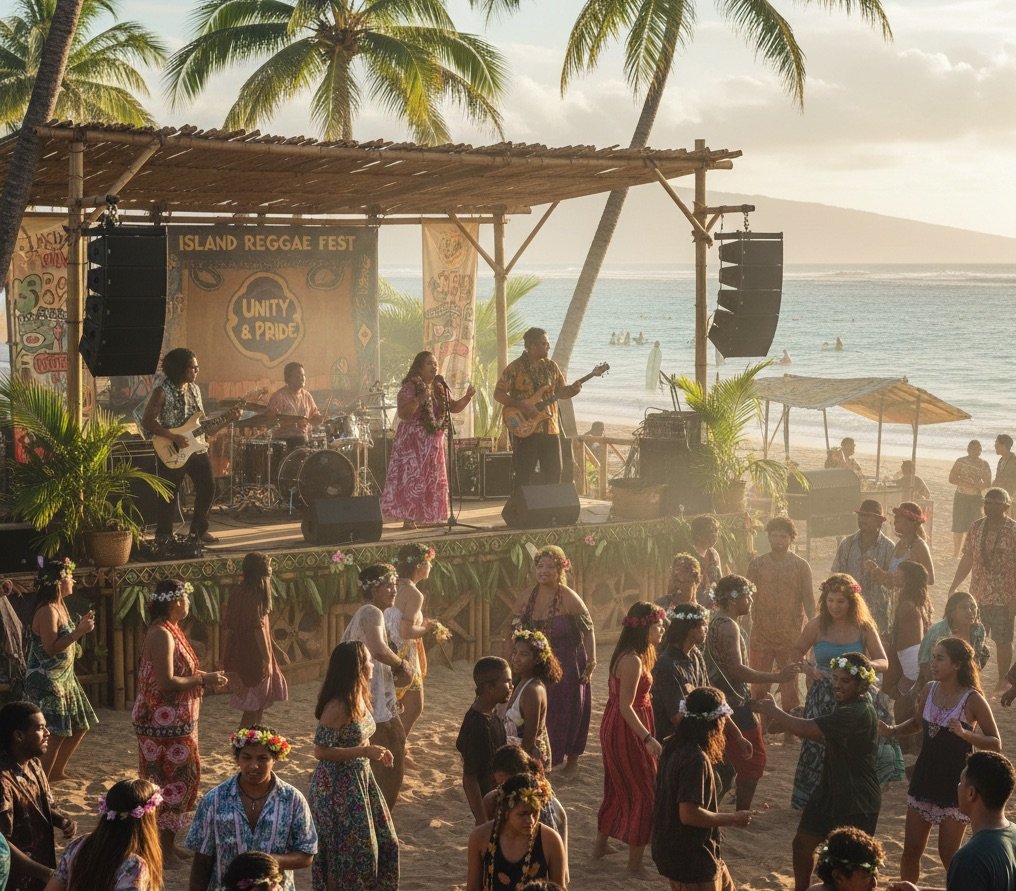
Community Connection
Reggae often reflects themes of unity, identity, and island pride, making it a powerful cultural expression.
Listening to island reggae means hearing the modern voice of the Pacific.
Festivals, Gatherings, and Cultural Celebrations
Oceania’s festivals are some of the best ways to experience Pacific music culture.
- community celebrations
- cultural showcases
- traditional performances
- modern concerts
- island‑wide gatherings
These events highlight the region’s diversity and offer travelers a chance to connect with local traditions.
Why Listening in Oceania Feels Like Hearing the Ocean Itself
Oceania’s music is shaped by:
- the rhythm of waves
- the movement of dance
- the strength of community
- the depth of tradition
- the creativity of modern artists
Listening across the Pacific means experiencing a soundscape that feels both ancient and alive — a reflection of islands connected by water, culture, and shared history.
 InternetMusicPlayer | DESTINATIONS
Listening in Africa | Sounds and Scenes That Shaped Modern Music
Africa is the foundation of global rhythm — a continent whose musical traditions have shaped genres across the world. Listening in Africa means tuning into a soundscape where ancient drumming patterns, communal singing, storytelling, and...
Frequently Asked Questions
What makes Oceania’s music unique?
Its blend of ancient traditions, vocal harmonies, and modern island genres creates a sound found nowhere else.
Which islands have the strongest musical traditions?
Hawaii, Samoa, Tonga, Fiji, Papua New Guinea, and New Zealand each have distinct and influential music cultures.
Is island reggae popular across Oceania?
Yes, reggae has become a major modern genre throughout the Pacific.
Can travelers experience live music in Oceania?
Absolutely — festivals, cultural events, and community gatherings offer many opportunities.
What instruments are common in Pacific music?
Drums, ukulele, slit drums, bamboo instruments, and traditional Māori taonga pūoro are widely used.
Is Oceania’s music mostly traditional?
No — the region has thriving modern scenes including reggae, pop, hip‑hop, and fusion genres.
Do different islands have distinct musical styles?
Yes, each island group has its own traditions shaped by history, culture, and environment.
Final Thoughts
Listening in Oceania is a journey through island sounds and Pacific music culture — a region where rhythm, harmony, and storytelling are woven into daily life. From Polynesian chants to Melanesian percussion, from Micronesian songs to New Zealand’s modern fusion, the Pacific offers a musical experience that feels both timeless and evolving. Exploring these islands reveals how deeply music connects communities across the ocean, inviting listeners and travelers to experience the Pacific through its voices, rhythms, and traditions.
Africa | Europe | South America | North America | Asia | The Caribbean
The Middle East | Oceania | The United Kingdom