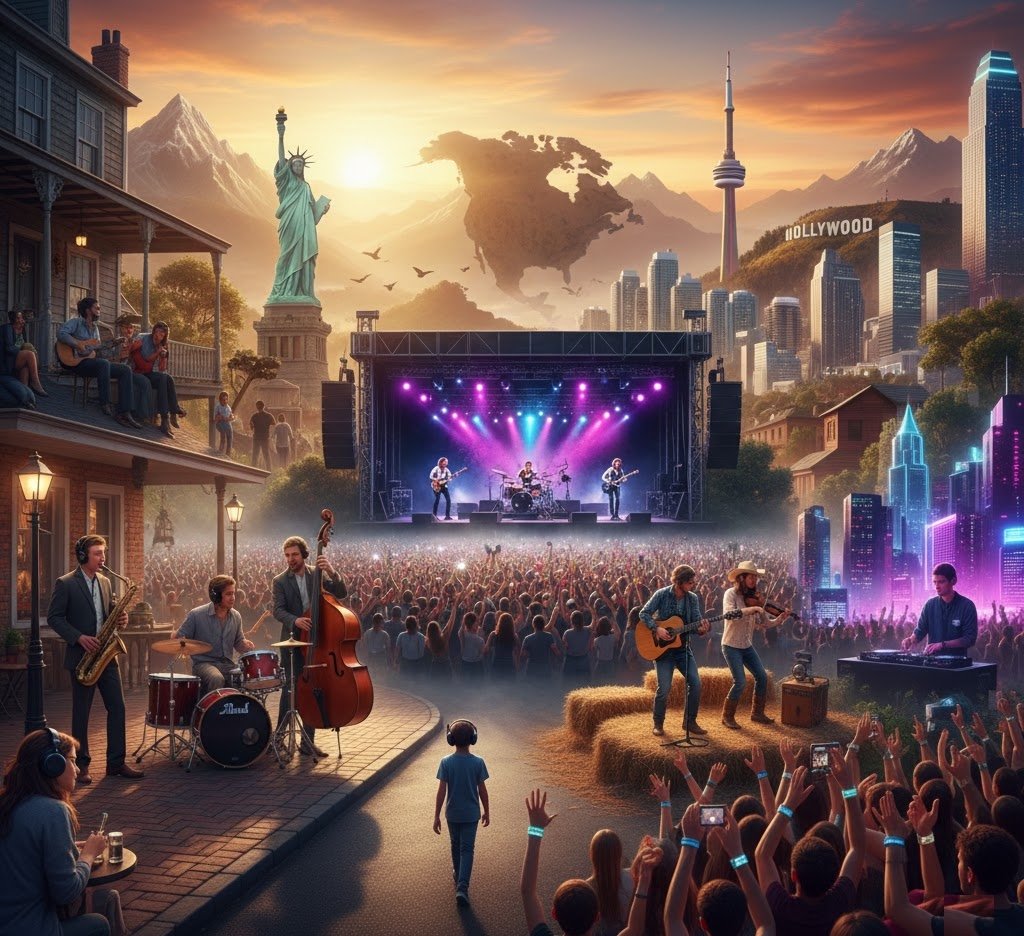
Listening in North America means tuning into the places that gave rise to blues, jazz, country, hip‑hop, rock, folk, bluegrass, Tejano, and dozens of other influential styles. From the Mississippi Delta to the streets of New York City, from Nashville’s studios to Los Angeles’ creative sprawl, North America’s sound is a living timeline of innovation, migration, and cultural expression.
North America is one of the most musically diverse regions in the world — a continent where countless genres were born, shaped, and transformed by the landscapes, cultures, and communities that call it home. This guide explores the regions, cities, and musical movements that shaped the continent’s most iconic genres — and how travelers can experience them today.
 GOOGLE MAPS
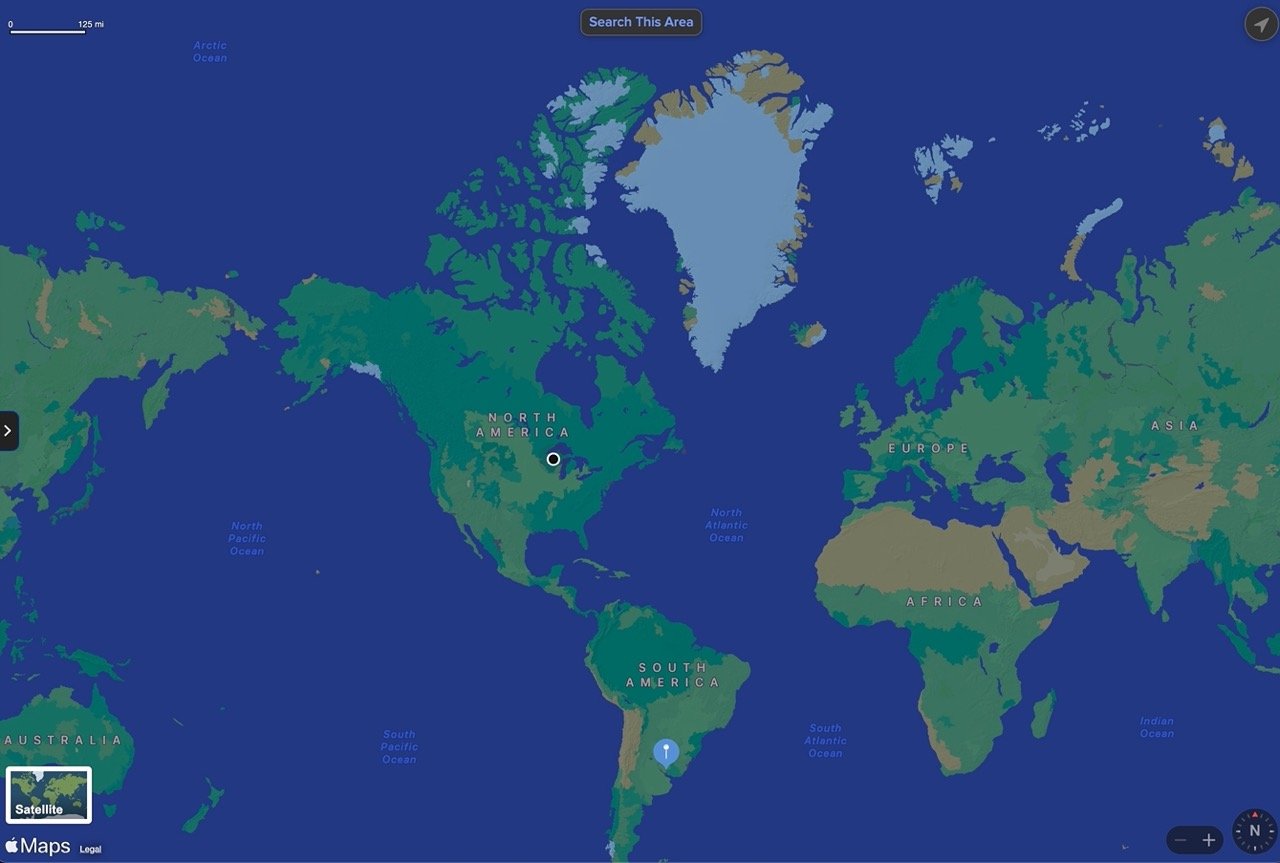
North America
Maps are essential for visualizing location-based information. Explore the area related to "North America" and find points of interest nearby.
A Continent of Musical Origins
North America’s musical identity is built on cultural blending. Indigenous traditions, African rhythms, European folk melodies, Caribbean influences, and Latin American styles all converge here, creating a soundscape unlike anywhere else.
Listening across the continent means hearing:
- the roots of blues and jazz
- the rise of rock and roll
- the evolution of hip‑hop
- the storytelling of folk and country
- the pulse of regional genres
- the innovation of modern pop and electronic music
Every region has its own sonic fingerprint, shaped by history, geography, and community.
The American South: Birthplace of Blues, Jazz, and Country
The South is the foundation of North American music — a region where multiple genres emerged from shared histories and cultural intersections.
Across its cities, small towns, and rural landscapes, music has long served as a form of storytelling, resilience, and cultural expression. Blues grew from lived experience, jazz blossomed through improvisation and community, and country music carried the voices of everyday life. The region’s sound is shaped by African, European, and Indigenous influences, creating a musical identity that feels both deeply rooted and endlessly influential. For travelers, listening to the South is like tracing the origins of countless modern genres back to the places where they first took shape.
Mississippi Delta: The Home of the Blues
The Delta’s flat fields and rural towns gave rise to one of the most influential genres in history. Blues musicians transformed hardship, resilience, and storytelling into a sound that would later inspire rock, soul, and R&B.
The music that emerged from this region carries a raw, unfiltered honesty—shaped by long workdays, community gatherings, and the emotional weight of everyday life. Its rhythms and melodies feel deeply human, rooted in lived experience rather than performance. For travelers, listening to Delta blues is like hearing the landscape itself speak: wide horizons, quiet roads, and a history that still echoes through nearly every modern genre.
New Orleans: The Cradle of Jazz
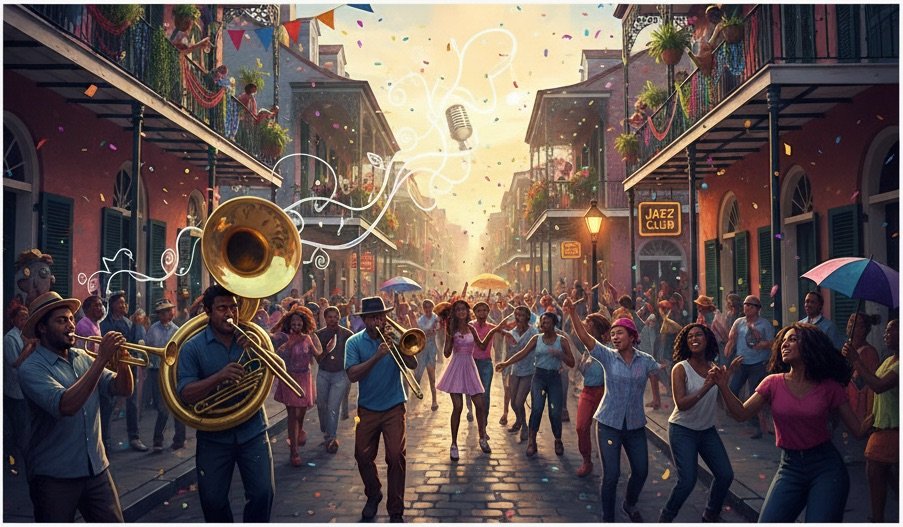



New Orleans is a musical universe of its own. Brass bands, Creole traditions, African rhythms, and improvisation merged here to create jazz — a genre that continues to evolve in clubs, parades, and street performances across the city.
Nashville: The Heart of Country Music
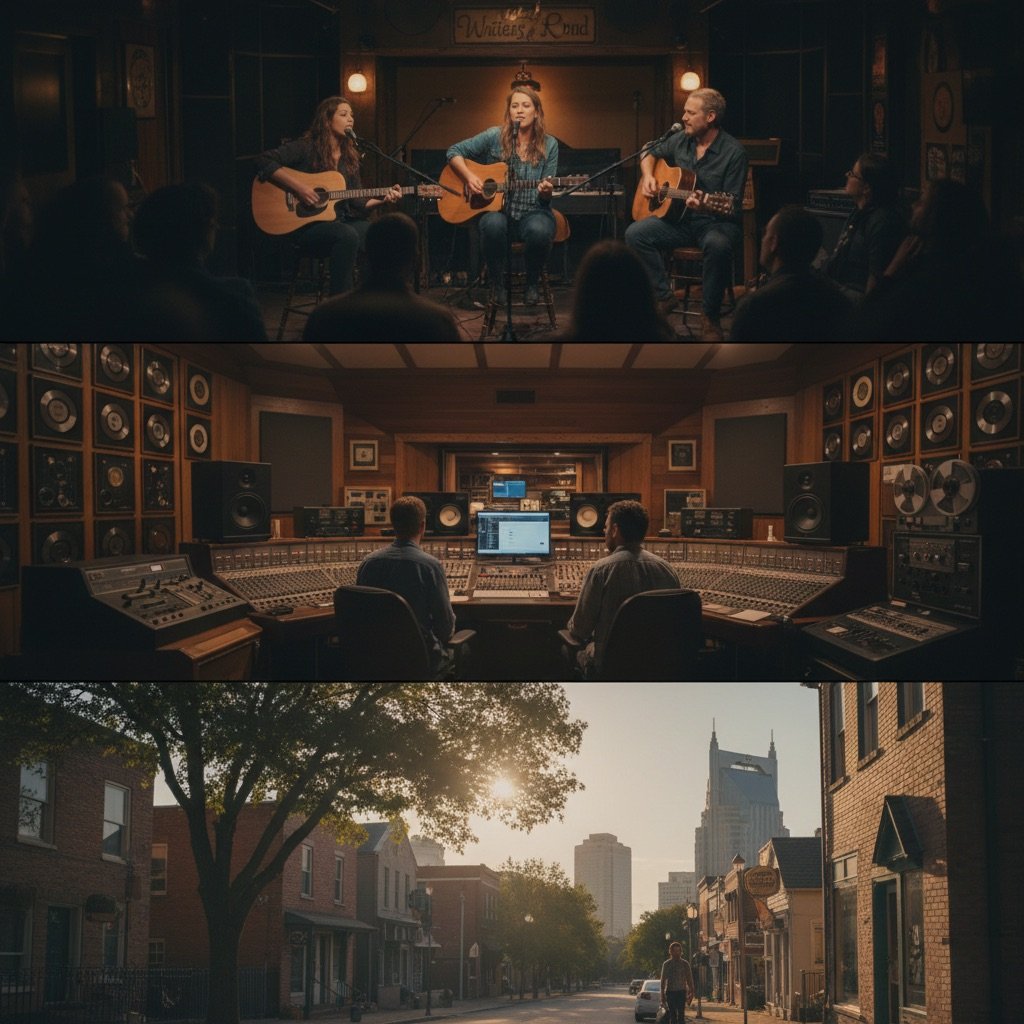
Nashville’s studios, honky‑tonks, and songwriting rooms shaped country music into a global phenomenon. The city remains a hub for musicians, producers, and travelers seeking the roots of American storytelling.
Listening in the South means hearing the foundation of modern music.
The American Northeast: Folk, Hip‑Hop, and Rock History
The Northeast is a region of cultural density, artistic experimentation, and urban energy — perfect conditions for genre‑shaping movements.
From the folk revival of New England to the birth of hip‑hop in the Bronx and the rock legacy of cities like Boston and Philadelphia, the region has long been a catalyst for new ideas. Its mix of universities, immigrant communities, and tightly packed urban neighborhoods creates a constant exchange of influences that push music forward. For travelers, listening to the Northeast is like tuning into decades of innovation layered across city blocks, coffeehouses, subway stations, and historic venues.
New York City: The Birthplace of Hip‑Hop
In the Bronx, DJs, MCs, dancers, and artists created a cultural movement that would become one of the most influential genres on the planet. Hip‑hop’s early block parties and community gatherings still echo through the city’s neighborhoods.
Greenwich Village: Folk Revival Roots
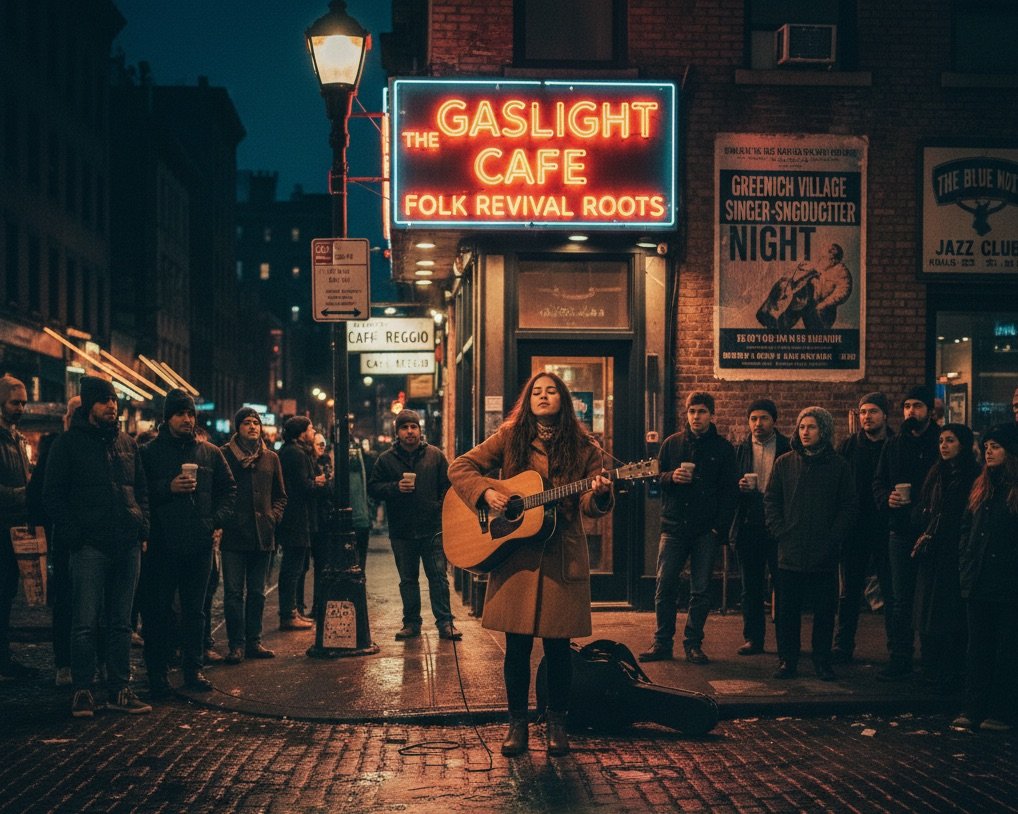
New York’s Village became a gathering place for folk musicians, songwriters, and storytellers who shaped the modern folk revival. Its cafés, clubs, and historic venues remain essential stops for music‑minded travelers.
Boston and Philadelphia: Rock and Soul Influences
Boston’s rock scene and Philadelphia’s soul traditions helped define regional sounds that continue to influence artists today.
Boston’s gritty clubs and college‑driven music culture fueled generations of rock bands, while Philadelphia’s smooth, orchestral soul shaped some of the most iconic melodies in American music. Each city carved out a distinct identity—Boston with its raw, energetic edge and Philly with its warm, groove‑centered sound. For travelers, listening to these cities is like hearing two different but equally influential chapters of American music history still echoing through modern artists.
Listening in the Northeast means hearing innovation, activism, and cultural evolution.
The American West: Rock, Surf, and Modern Pop
The West Coast is a landscape of reinvention — a place where musicians experiment, collaborate, and redefine genres.
From coastal surf towns to sprawling cities, the region’s sound is shaped by openness and creative freedom. Rock, pop, and alternative artists draw inspiration from the ocean, the desert, and the cultural mix of the West, creating music that feels expansive and forward‑looking. For travelers, listening to the American West is like hearing a soundtrack built on possibility, movement, and the spirit of starting fresh.
Los Angeles: The Studio Capital
LA’s recording studios shaped everything from classic rock to modern pop. The city’s neighborhoods reflect a mix of cultures that influence its constantly evolving sound.
Across Los Angeles, music is shaped as much by its iconic studios as by the communities surrounding them—places where Latin rhythms, West Coast hip‑hop, indie pop, and global influences all coexist. The city’s creative energy comes from this blend of cultures, making LA a place where new sounds are constantly emerging. For travelers, listening to Los Angeles feels like tuning into a city that never stops reinventing itself.
San Francisco: Psychedelic Rock and Counterculture
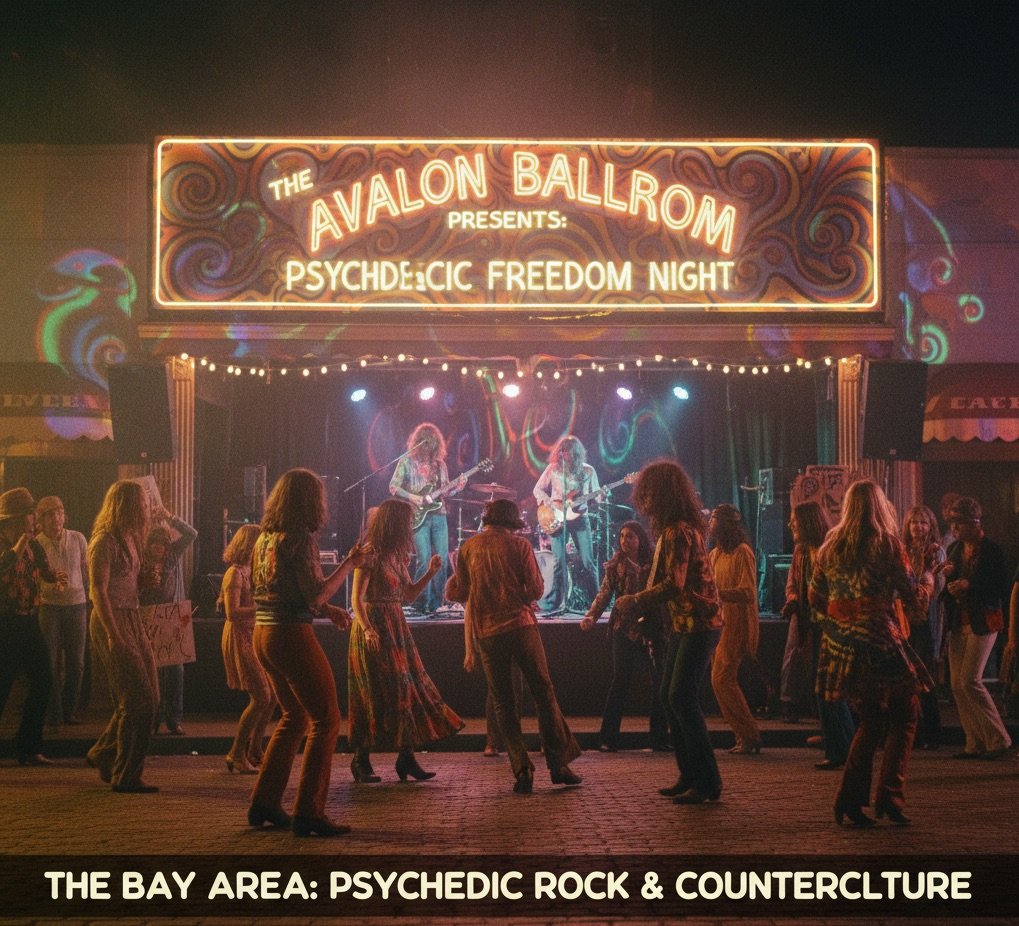
The Bay Area became a hub for psychedelic rock, experimental music, and counterculture movements that reshaped the 1960s and beyond.
Its venues, communes, and creative enclaves fostered a spirit of freedom that encouraged musicians to stretch boundaries and explore new sounds. The region’s open‑minded culture helped fuel a wave of artistic experimentation that still echoes through modern indie, electronic, and alternative music. For travelers, listening to the Bay Area feels like tapping into a place where rebellion, creativity, and community have always intertwined.
California’s Surf Culture
Surf rock emerged from coastal communities, blending upbeat guitar tones with the laid‑back spirit of beach life.
The sound carries the energy of sun‑soaked coastlines—bright, fast, and carefree, shaped by the rhythm of waves and the freedom of open beaches. Bands drew inspiration directly from surf culture itself, creating music that feels warm, nostalgic, and endlessly coastal. For travelers, listening to California’s surf rock is like stepping into a perpetual summer, where the ocean sets the tempo and everything moves with an easy, breezy flow.
Listening in the West means hearing creativity without boundaries.
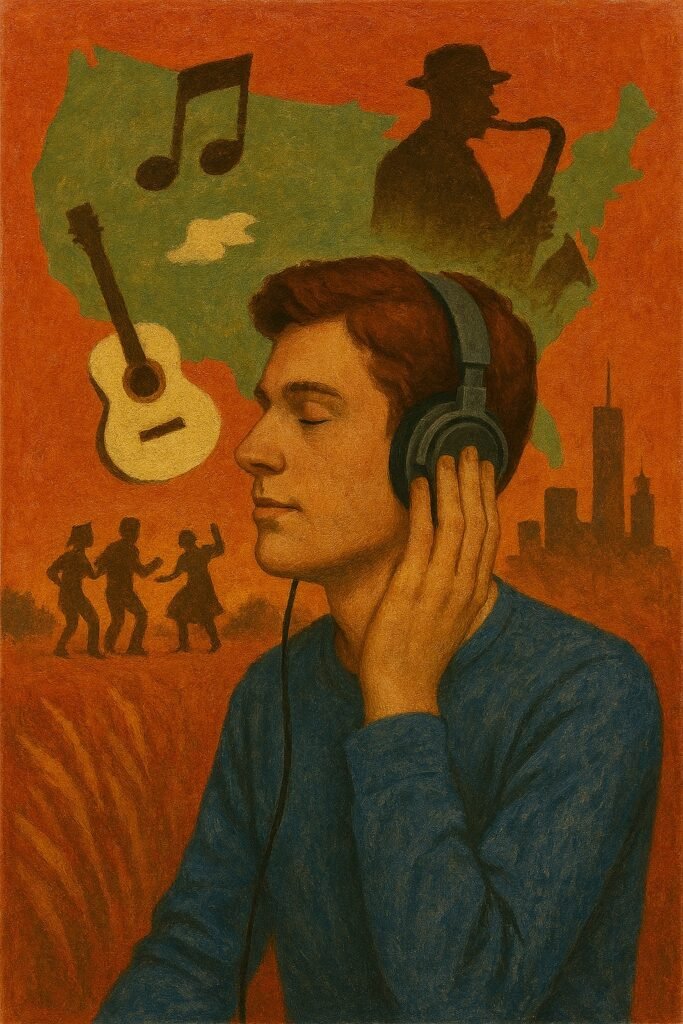
Canada: Folk Traditions, Indie Scenes, and Cultural Fusion
Canada’s music is shaped by vast landscapes, multicultural cities, and strong storytelling traditions.
From coastal folk songs to the indie scenes of cities like Toronto, Montreal, and Vancouver, the country’s sound reflects both its natural beauty and its cultural diversity. Indigenous rhythms, French‑Canadian heritage, and global influences all blend into a musical identity that feels expansive and deeply rooted. For travelers, listening to Canada is like experiencing its geography and communities through sound—wide open, expressive, and full of creative fusion.
Toronto: A Global Music Hub
Toronto’s diverse communities influence genres ranging from hip‑hop to R&B to electronic music. The city’s multicultural identity is reflected in its sound.
Toronto’s neighborhoods each add their own flavor to the city’s music, creating a blend that feels global and local at the same time. Caribbean, South Asian, Middle Eastern, and East African influences shape everything from beats to vocal styles, giving Toronto a signature sound that’s constantly evolving. For travelers, listening to Toronto is like hearing the city’s cultural layers come alive through music.
Montreal: Indie and Experimental Roots
Montreal’s artistic neighborhoods foster indie, electronic, and experimental music scenes that attract creators from around the world.
The city’s creative pockets—especially areas like Mile End—give musicians room to explore and push boundaries. Montreal’s laid‑back, art‑first culture encourages experimentation, resulting in a sound that feels fresh, eclectic, and unmistakably its own. For travelers, listening to Montreal offers a glimpse into a city where creativity is part of everyday life.
Atlantic Canada: Folk and Maritime Traditions
Fiddle music, sea shanties, and folk storytelling remain central to the region’s cultural identity.
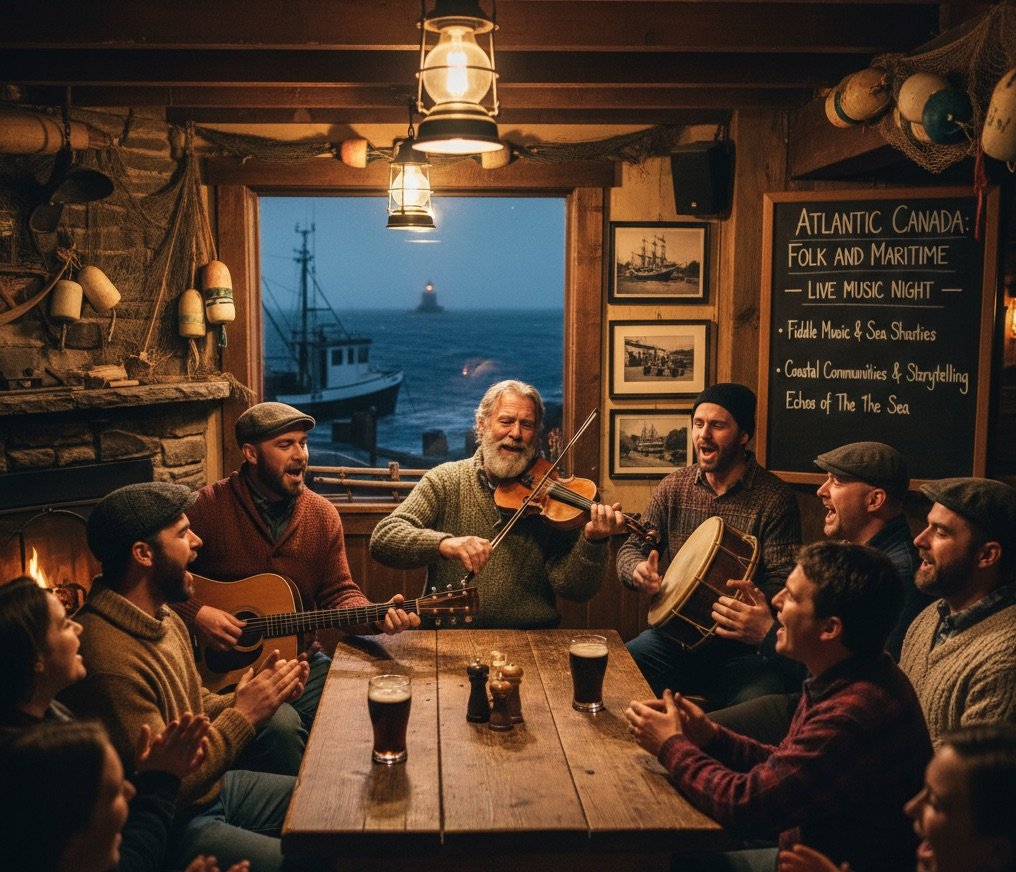
Across coastal towns and fishing villages, music still carries the rhythm of the sea—shaped by generations of sailors, storytellers, and community gatherings. The region’s sound feels warm and communal, with songs that echo history, resilience, and life by the water. For travelers, listening to Atlantic Canada offers a glimpse into a place where tradition is alive, shared, and woven into everyday life.
Listening in Canada means hearing tradition meet modern creativity.
Mexico: Regional Styles and Modern Innovation
Mexico’s musical identity is rich, rhythmic, and deeply tied to cultural heritage.
Across the country, music reflects a blend of Indigenous roots, Spanish influence, and regional traditions that shape everything from mariachi and ranchera to cumbia and modern pop. Each region adds its own flavor—brass‑driven ensembles in the north, coastal rhythms in the south, and vibrant street music in cities like Mexico City and Oaxaca. For travelers, listening to Mexico feels like stepping into a living celebration of history, emotion, and community, carried through melodies that have been passed down for generations.
Mariachi and Ranchera
These iconic genres reflect storytelling, emotion, and tradition — often performed in plazas, festivals, and celebrations.
Their melodies carry a sense of pride and longing, shaped by generations of musicians who use music to honor love, loss, heritage, and community. Brass, strings, and powerful vocals come together to create a sound that feels both celebratory and deeply emotional. For travelers, listening to Mariachi and Ranchera offers a window into Mexico’s cultural heart, where music is woven into daily life and shared moments.
Norteño and Banda
Northern Mexico’s regional styles blend accordion melodies, brass arrangements, and dance‑driven rhythms.
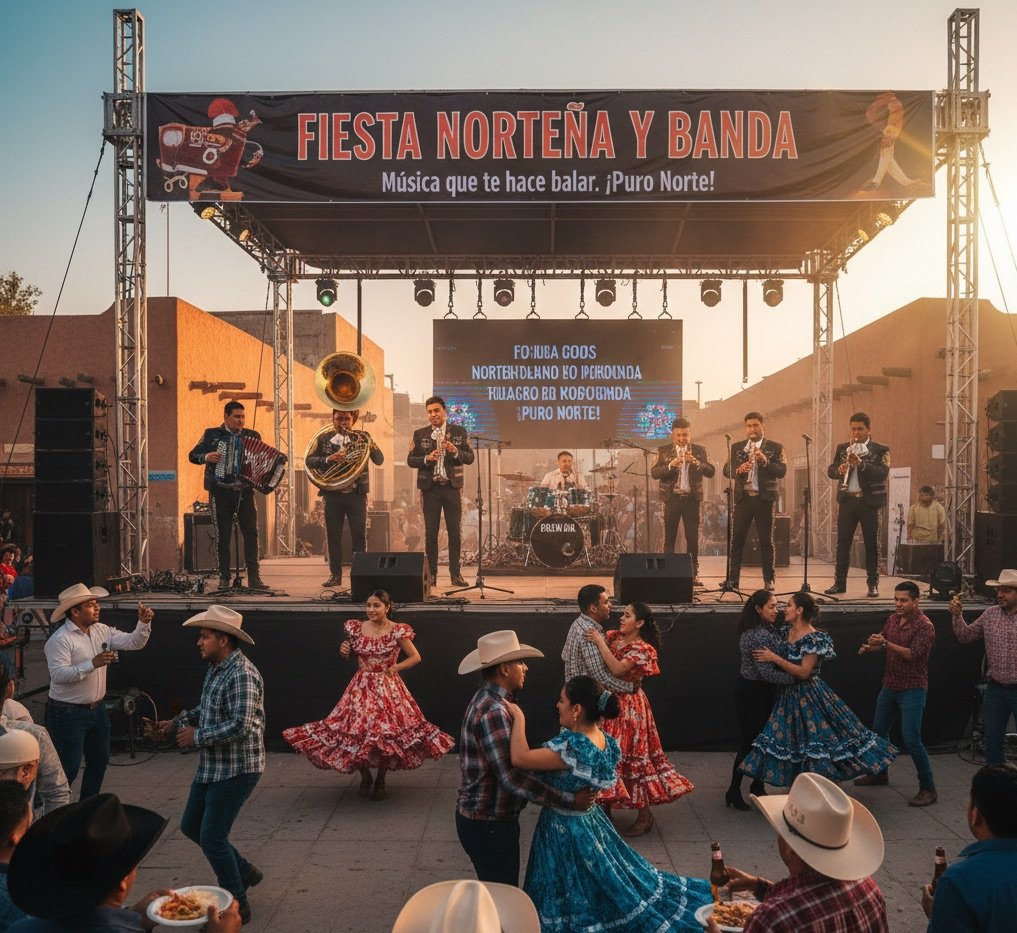
These genres carry the energy of border towns, ranching communities, and lively celebrations, creating music that feels bold, upbeat, and unmistakably regional. Their storytelling roots and vibrant instrumentation give Norteño and Banda a sound that’s both traditional and modern. For travelers, listening to these styles offers a glimpse into Northern Mexico’s spirited culture, where music fuels gatherings, dances, and everyday life.
Modern Mexican Pop and Fusion
Cities like Mexico City and Monterrey are hubs for rock, pop, electronic, and experimental genres.
These urban centers thrive on collaboration, blending traditional influences with global trends to create fresh, boundary‑pushing sounds. Indie bands, electronic producers, and genre‑mixing artists all find space to innovate, shaping a modern scene that feels vibrant and forward‑looking. For travelers, listening to contemporary Mexican music offers a glimpse into cities where creativity moves fast, cultures intersect, and new ideas constantly reshape the musical landscape.
Listening in Mexico means hearing heritage and innovation side by side.
Why Listening in North America Feels Like Traveling Through Time
North America’s music isn’t just entertainment — it’s a historical record. Each genre reflects:
- migration
- cultural blending
- community expression
- social change
- regional identity
- artistic experimentation
North America’s music isn’t just entertainment — it’s a historical record. Each genre reflects migration, cultural blending, community expression, social change, regional identity, and artistic experimentation.
Across the continent, every style carries echoes of the past: the movement of people, the merging of traditions, and the voices of communities finding ways to express joy, struggle, and transformation. From early folk songs to modern fusion genres, the music maps out centuries of cultural exchange and reinvention. For travelers, listening across North America feels like stepping through different eras — hearing how history shaped sound, and how sound continues to shape identity today.
 InternetMusicPlayer | DESTINATIONS
Listening in Africa | Sounds and Scenes That Shaped Modern Music
Africa is the foundation of global rhythm — a continent whose musical traditions have shaped genres across the world. Listening in Africa means tuning into a soundscape where ancient drumming patterns, communal singing, storytelling, and...
Frequently Asked Questions
What genres originated in North America?
Blues, jazz, country, hip‑hop, rock, bluegrass, folk, and many regional styles were born here.
Which city is most influential in North American music?
Different cities shaped different genres — New Orleans for jazz, New York for hip‑hop, Nashville for country, and Los Angeles for modern pop.
Is North America good for music‑focused travel?
Yes, many cities offer historic venues, museums, festivals, and neighborhoods tied to music history.
What makes North American music unique?
Its diversity — the continent blends Indigenous, African, European, Caribbean, and Latin influences.
Can travelers visit historic music sites?
Absolutely. Many cities preserve studios, clubs, districts, and cultural landmarks tied to genre origins.
Is North American music still evolving?
Constantly. New genres, subgenres, and fusion styles emerge every year.
Are regional genres still active today?
Yes — blues, folk, country, and regional Mexican styles remain vibrant and influential.
Final Thoughts
Listening in North America is a journey through the origins of modern music — a continent where genres were born, transformed, and shared with the world. From the Delta blues to New York hip‑hop, from Nashville’s country roots to Canada’s indie scenes, every region offers a unique sound shaped by its people and history. Exploring these places reveals how deeply music is woven into North American identity, inviting travelers and listeners to connect with the rhythms that continue to shape global culture.
Africa | Europe | South America | North America | Asia | The Caribbean
The Middle East | Oceania | The United Kingdom