Listening in the Caribbean is more than hearing music — it’s experiencing the places, people, and stories that shaped genres recognized around the world. From reggae and dancehall to soca, calypso, zouk, and beyond, the Caribbean remains a living archive of musical innovation.
The Caribbean is one of the most musically influential regions on Earth, a constellation of islands where rhythm, culture, and history collide to create sounds that travel far beyond their shores. This guide explores the islands that shaped iconic sounds and the cultural landscapes that continue to inspire musicians, travelers, and listeners today.
 OPENSTREETMAP
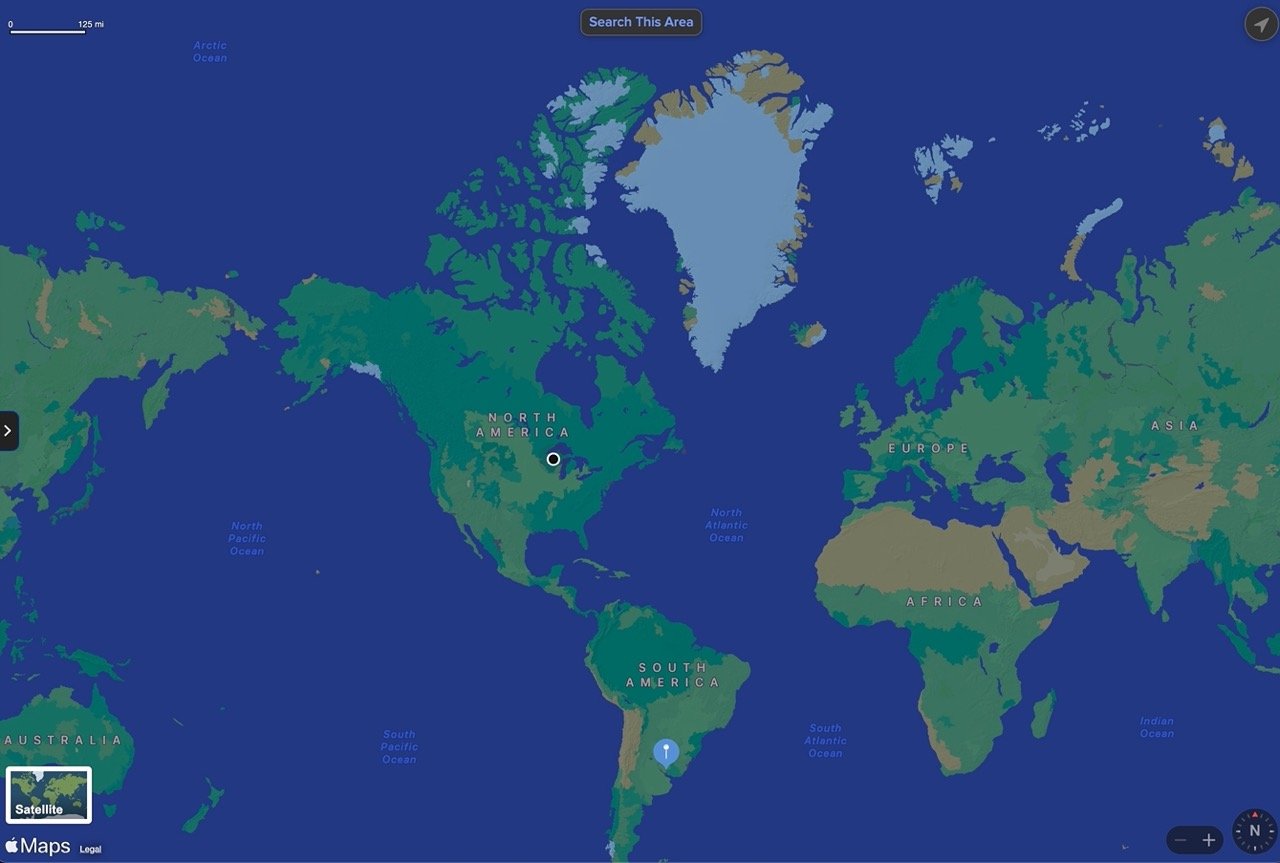
Caribbean
Maps are essential for visualizing location-based information. Explore the area related to "Caribbean" and find points of interest nearby.
The Caribbean as a Musical World of Its Own
The Caribbean isn’t a single musical identity — it’s a mosaic. Each island carries its own rhythms, instruments, traditions, and cultural influences. African heritage, Indigenous roots, European colonial history, migration, and local storytelling all merge into a soundscape that feels both ancient and modern.
Listening here means tuning into:
- street performances
- beachside rhythms
- local festivals
- historic music districts
- legendary clubs and dancehalls
- community gatherings
- cultural celebrations
Every island has its own sonic fingerprint, and exploring them reveals how deeply music is woven into daily life.
Jamaica: The Island That Changed Global Music
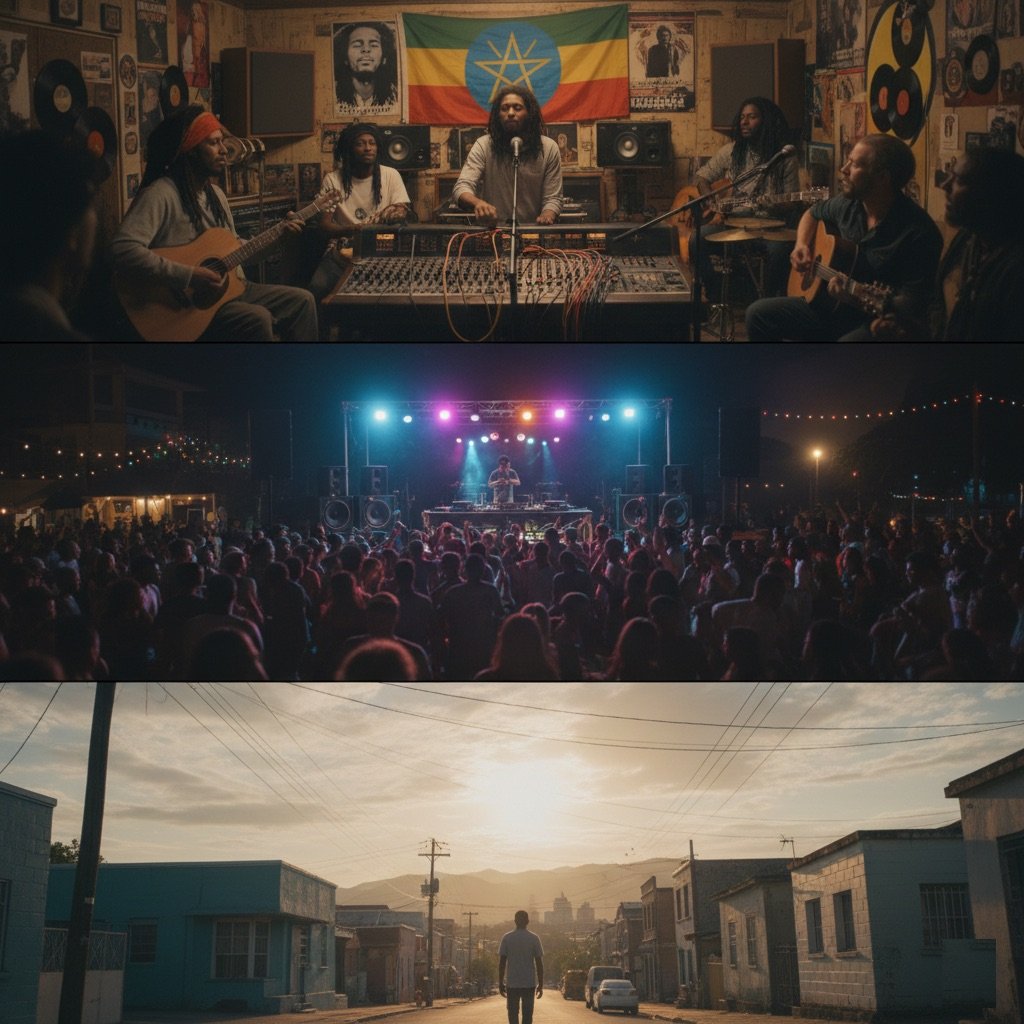


Jamaica is the heartbeat of Caribbean sound. It’s the birthplace of reggae, dancehall, ska, and rocksteady, genres that reshaped global music culture.
Dub, reggae, and dancehall reshaped global production techniques, influencing everything from hip‑hop to electronic music.
Songs born here often reflect the power of space, bass, and minimalism — a reminder that simplicity can be revolutionary.
Kingston’s Music Districts
Neighborhoods like Trench Town, Half Way Tree, and Downtown Kingston are living museums of sound. Walking through them, you hear echoes of the studios and street sessions that shaped legends.
Historic Recording Studios
Iconic studios across Kingston helped define the warm, bass‑heavy sound that became synonymous with Jamaican music. Many still operate today, offering a glimpse into the island’s creative legacy.
Dancehall Culture
Dancehall isn’t just a genre — it’s a lifestyle. Sound systems, street parties, and late‑night gatherings continue to push the boundaries of Caribbean rhythm.
Listening in Jamaica means hearing music that changed the world.
Trinidad & Tobago: The Home of Calypso and Soca
Trinidad & Tobago is a powerhouse of rhythm, known for its vibrant carnival culture and energetic musical traditions.
Calypso’s Storytelling Roots
Calypso blends humor, social commentary, and melodic storytelling. It’s a genre born from community expression and cultural resilience.
Soca’s High‑Energy Pulse
Soca evolved from calypso, adding faster tempos and dance‑driven beats. It’s the soundtrack of Caribbean festivals and a defining sound of modern island culture.
Steelpan Innovation
The steelpan — one of the world’s youngest acoustic instruments — was invented here. Its shimmering tones are instantly recognizable and deeply tied to Trinidadian identity.
Listening in Trinidad & Tobago means hearing joy, celebration, and cultural pride.
Cuba: A Melting Pot of Rhythm and Movement
Cuba’s music is a fusion of African percussion, Spanish melodies, and Afro‑Caribbean traditions. It’s the birthplace of son, rumba, mambo, cha‑cha‑cha, and countless other styles.
Havana’s Timeless Sound
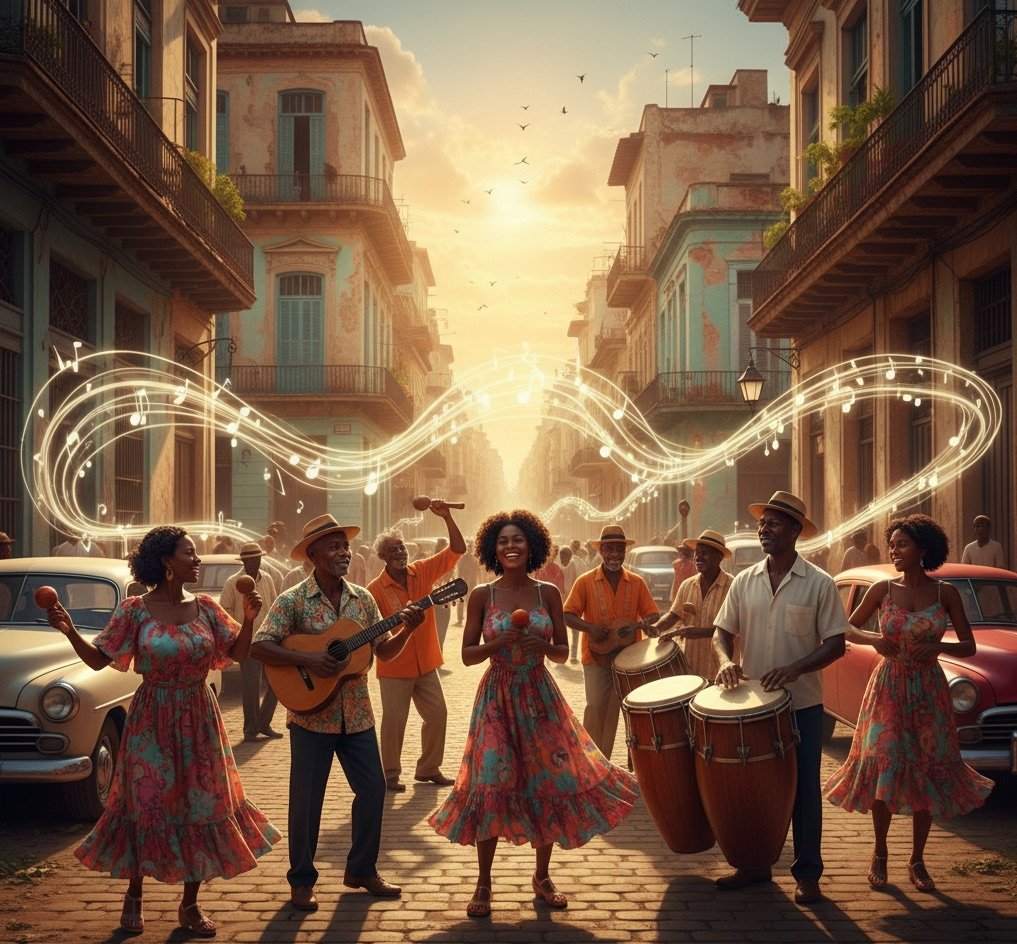
Havana’s streets are alive with music — from old‑school son groups to modern jazz ensembles. The city’s plazas, bars, and historic districts pulse with rhythm day and night.
Afro‑Cuban Drumming Traditions
Percussion is the backbone of Cuban sound. Drumming ceremonies, community gatherings, and cultural events keep these traditions alive.
Dance and Music as One
In Cuba, music and dance are inseparable. Salsa, rumba, and mambo are not just performances — they’re expressions of identity.
Listening in Cuba means hearing movement, history, and cultural fusion.
Barbados: The Island of Caribbean Pop and Spouge
Barbados has a distinct musical identity shaped by calypso, soca, and its own homegrown genre: spouge.
Bridgetown’s Music Scene
Bridgetown blends traditional Caribbean rhythms with modern pop influences. Street festivals and local venues showcase the island’s evolving sound.
Crop Over Festival
This annual celebration is a showcase of Barbadian creativity, featuring soca competitions, parades, and performances that highlight the island’s musical talent.
Listening in Barbados means hearing tradition meet modern Caribbean pop.
Haiti: The Soul of Caribbean Rhythm
Haiti’s music is deeply spiritual, rhythmic, and rooted in cultural storytelling.
Kompa and Rara
Kompa blends smooth melodies with dance‑friendly rhythms, while rara is a vibrant, percussion‑driven tradition tied to community celebrations.
Cultural Depth
Haitian music reflects resilience, identity, and history. Its rhythms are powerful, emotional, and unmistakably unique.
Listening in Haiti means hearing the soul of the Caribbean.
Puerto Rico: The Island of Salsa and Reggaeton
Puerto Rico is a global music powerhouse, shaping genres that dominate charts worldwide.
Salsa’s Evolution
Salsa grew from Afro‑Caribbean roots and became a defining sound of Puerto Rican culture. Dance halls, plazas, and festivals keep the tradition alive.
Reggaeton’s Global Rise
Reggaeton emerged from underground scenes and evolved into a worldwide phenomenon. Its blend of Caribbean rhythm, hip‑hop influence, and electronic production continues to shape modern music.
Listening in Puerto Rico means hearing innovation and cultural evolution.
Why Listening in the Caribbean Feels Different
The Caribbean isn’t just a place where music is made — it’s a place where music is lived. The region’s sound is shaped by:
- community
- storytelling
- cultural fusion
- celebration
- resilience
- identity
Every island offers a different perspective, and exploring them reveals how deeply music is tied to place.
Listening here means connecting with the landscapes, people, and histories that shaped iconic sounds.
 InternetMusicPlayer | INSPIRATION
Listening to the World | A Musicians Guide to Creative Travel
Music is one of the most universal languages on Earth — a force that connects cultures, tells stories, and reveals the soul of a place. Listening to Music Around the World is more than exploring...
Frequently Asked Questions
What makes Caribbean music unique?
Caribbean music blends African, Indigenous, and European influences, creating rhythms and genres found nowhere else.
Which Caribbean island is most influential in global music?
Jamaica is often considered the most globally influential due to reggae, ska, and dancehall.
Is the Caribbean a good destination for music‑focused travel?
Yes, many islands offer festivals, historic venues, and cultural districts perfect for music lovers.
What genres originated in the Caribbean?
Reggae, calypso, soca, ska, dancehall, son, kompa, and many others began here.
Can travelers visit historic music sites in the Caribbean?
Absolutely — many islands have museums, studios, clubs, and cultural landmarks tied to music history.
Is Caribbean music only traditional?
No, the region continues to innovate with modern pop, reggaeton, fusion, and electronic influences.
Are festivals important to Caribbean music culture?
Yes, festivals like Carnival and Crop Over are central to the region’s musical identity.
Do different islands have distinct musical styles?
Every island has its own sound shaped by local culture, history, and community traditions.
Final Thoughts
Listening in the Caribbean is an immersive experience — a journey through islands that shaped iconic sounds and continue to influence global music. Each destination offers its own rhythm, history, and cultural heartbeat, inviting travelers to explore not just the beaches and landscapes, but the stories behind the music. Whether you’re wandering through Kingston’s historic districts, dancing in Trinidad’s Carnival streets, or absorbing the rhythms of Havana, the Caribbean offers a soundtrack that stays with you long after you leave.
Africa | Europe | South America | North America | Asia | The Caribbean
The Middle East | Oceania | The United Kingdom