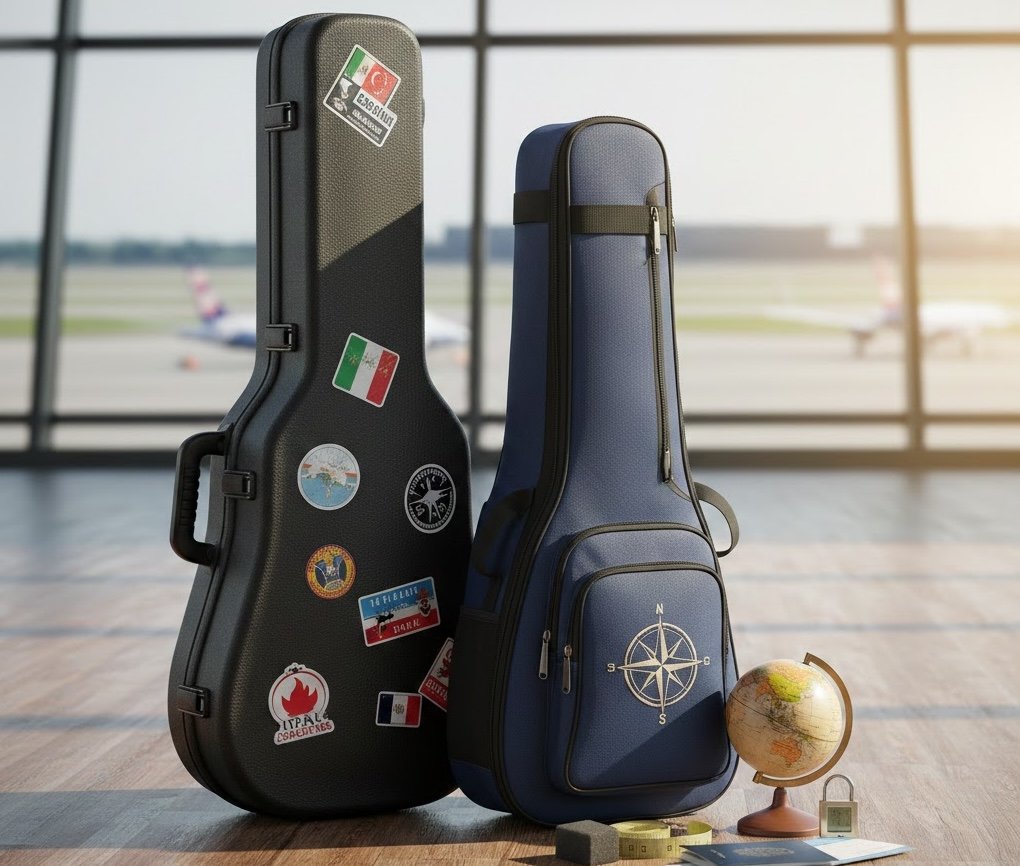
Traveling with musical gear can be liberating — but not every instrument is built for movement, climate changes, or the unpredictable realities of airports, buses, and long-distance travel. Some instruments thrive on the road. Others… not so much. Knowing which instruments do NOT travel well helps musicians avoid damage, stress, and unnecessary complications while still staying creative on the go.
This guide explores the instruments that struggle with travel, why they’re vulnerable, and what alternatives or strategies musicians can consider before packing their bags.
Why Some Instruments Struggle With Travel
Not all instruments are designed for mobility. Some are:
- sensitive to temperature and humidity
- fragile or easily damaged
- large or awkward to carry
- difficult to tune after movement
- restricted by airline policies
- expensive to insure or repair
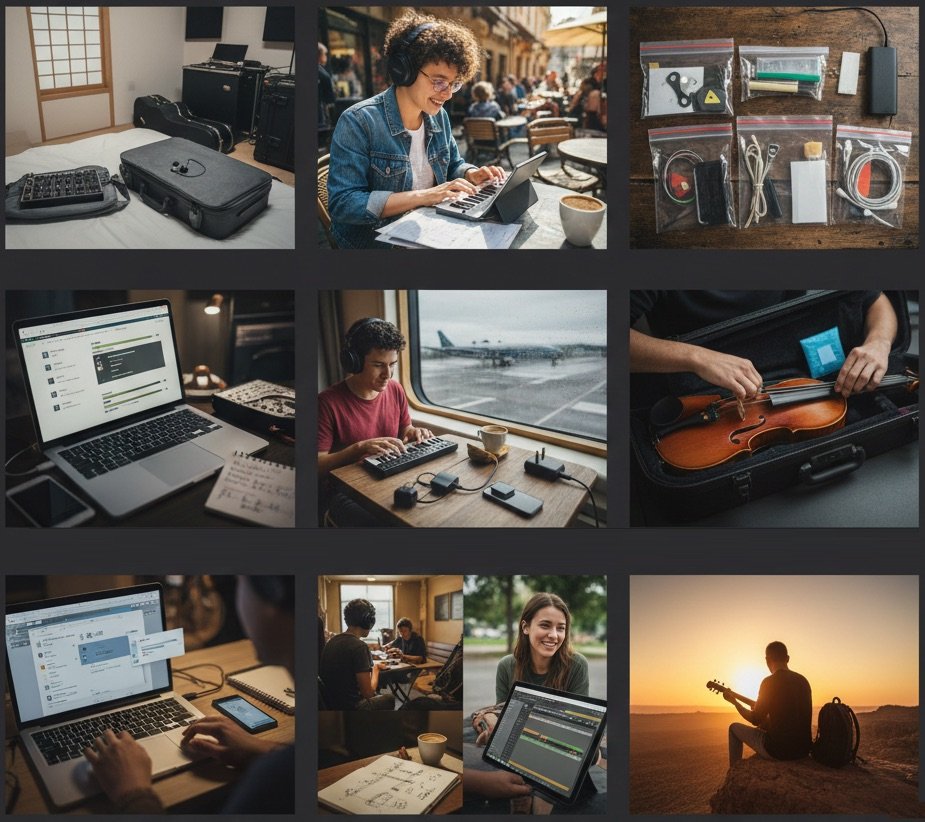
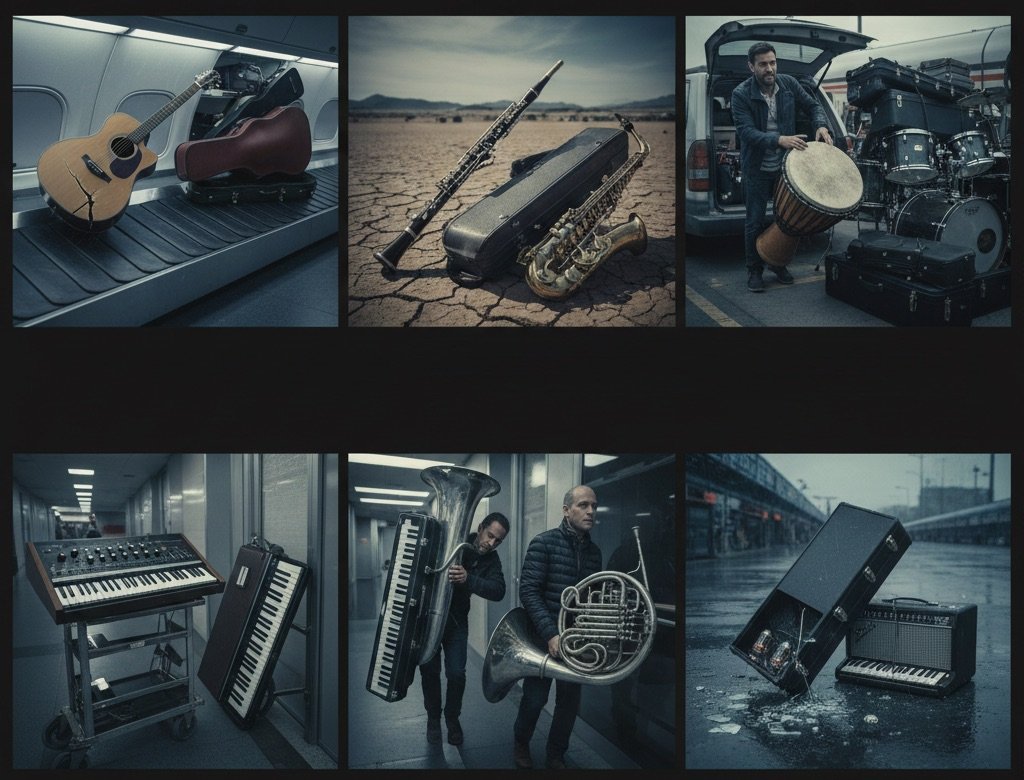
Travel exposes instruments to bumps, pressure changes, dry air, moisture, and rough handling — all of which can cause serious issues.
Understanding these vulnerabilities helps musicians make smarter decisions about what to bring and what to leave safely at home.
String Instruments That Don’t Travel Well
String instruments are notoriously sensitive to climate changes and physical stress.
Full‑Size Acoustic Guitars
Acoustic guitars react dramatically to humidity and temperature shifts. Necks warp, tops crack, and tuning becomes unstable — especially on flights.
Cellos and Upright Basses
Their size alone makes them difficult to transport. Airlines often require extra seats, oversized fees, or special handling.
Violins and Violas
Though smaller, they are extremely sensitive to dryness and sudden temperature changes. Bow hair can loosen or tighten unpredictably.
Harps
Harps are among the least travel‑friendly instruments on Earth — large, delicate, and expensive to repair.
Why they struggle:
Wood reacts to climate. Strings stretch. Glue joints weaken. And large instruments are magnets for accidental damage.

Wind Instruments That Don’t Travel Well
Wind instruments face their own challenges — especially those with complex mechanisms or climate sensitivity.
Oboes and Bassoons
These instruments are highly sensitive to humidity. Dry air can cause cracks, while moisture can warp reeds or affect tone.
Wooden Flutes
Wooden bodies expand and contract with climate changes, making them risky for long trips.
Saxophones and Clarinets
Metal bodies travel better than wood, but key mechanisms are delicate and easily bent in transit.
Bagpipes
Bagpipes require stable humidity and careful maintenance — not ideal for unpredictable travel environments.
Why they struggle:
Moisture, dryness, and pressure changes affect tone, tuning, and structural integrity.
Percussion Instruments That Don’t Travel Well
Percussion seems durable — but many instruments are surprisingly fragile or bulky.
Full Drum Kits
Even compact kits are heavy, awkward, and expensive to check on flights.
Hand Drums With Natural Skins
Djembe, congas, bongos, and frame drums with natural skins react dramatically to humidity and temperature.
Large Mallet Instruments
Marimbas, vibraphones, and xylophones are nearly impossible to travel with outside of professional touring setups.
Why they struggle:
Size, weight, and climate sensitivity make them impractical for casual travel.
Keyboard Instruments That Don’t Travel Well
Keyboards vary widely in portability — but some are simply too large or fragile.
Full‑Size Digital Pianos
Heavy, bulky, and difficult to protect during transport.
Vintage Synthesizers
Older electronics are sensitive to vibration, temperature, and rough handling.
Weighted‑Key Controllers
Even compact versions can be heavy and awkward to carry.
Why they struggle:
Weight, fragility, and electronic sensitivity make them risky travel companions.
Brass Instruments That Don’t Travel Well
Brass instruments are more durable than woodwinds, but some still pose challenges.
Tubas and Euphoniums
Their size makes them difficult to transport without specialized cases.
French Horns
The complex tubing and delicate structure make them vulnerable to dents and misalignment.
Valve‑Heavy Instruments
Valves can stick or seize when exposed to temperature changes.
Why they struggle:
Size, weight, and mechanical sensitivity create travel complications.
Electronic Instruments That Don’t Travel Well
Electronics can be surprisingly fragile.
Large Synthesizers
Big synths are heavy, awkward, and sensitive to vibration.
Vintage Drum Machines
Older circuits don’t handle shock or climate changes well.
Tube Amps
Tubes are extremely fragile and can crack or break during transport.
Why they struggle:
Electronics don’t like moisture, impact, or rapid temperature changes.

When You Shouldn’t Travel With Your Main Instrument
Even if your instrument is technically portable, there are times when it’s better to leave it at home.
- It’s irreplaceable or sentimental
- It’s extremely expensive
- It’s fragile or climate‑sensitive
- You’re traveling through unpredictable environments
- You don’t have proper insurance
- You’re not performing professionally on the trip
A travel instrument or secondary setup often makes more sense.
Smart Alternatives for Travel‑Unfriendly Instruments
Instead of risking damage, consider:
Travel‑Sized Versions
Many brands make compact versions of guitars, keyboards, and wind instruments.
Digital or Hybrid Tools
Pocket synths, mini controllers, and mobile apps can replace bulky gear.
Secondary Instruments
A cheaper, durable version of your main instrument keeps your creativity flowing without risking your primary one.
Borrowing or Renting
Many cities have music shops or studios that rent instruments by the day or week.
Traveling smart means protecting your main instrument while still staying creative.
 InternetMusicPlayer | GEAR & SETUPS
Travel‑Friendly Instrument Cases | Important Factors
When you’re traveling with an instrument — whether it’s a compact travel guitar, a pocket synth, a flute, or a tiny kalimba — the case you choose matters just as much as the instrument itself....
Frequently Asked Questions
Which instruments are the hardest to travel with?
Large, fragile, or climate‑sensitive instruments like cellos, harps, and wooden winds.
Can I fly with a full‑size instrument?
Yes, but it often requires extra seats, oversized fees, or special handling.
Is it safe to bring my main instrument on a long trip?
Only if it’s durable, insured, and not irreplaceable.
What’s the best alternative to a fragile instrument?
A travel‑sized version or a secondary instrument designed for mobility.
Do climate changes really affect instruments?
Absolutely — humidity, dryness, and temperature shifts can cause cracks, warping, and tuning instability.
Should I buy a travel instrument?
If you travel often or want to stay creative on the go, it’s a smart investment.
Final Thoughts
Some instruments simply do not travel well — and that’s okay. The goal isn’t to bring your entire studio or your most precious instrument everywhere you go. It’s to stay connected to your creativity without risking damage, stress, or unnecessary complications. By understanding which instruments struggle with travel and choosing smart alternatives, you can explore the world freely while keeping your musical identity intact.