Europe is a continent where music has shaped culture, identity, and global creativity for centuries. Listening in Europe means tuning into cities that gave birth to classical masterpieces, electronic revolutions, folk traditions, and modern genres that continue to influence the world. From Vienna’s concert halls to Berlin’s clubs, to Lisbon’s soulful fado, Europe offers a musical journey that spans eras, styles, and generations.
This guide explores the cities and scenes that defined global music history — and how listeners and travelers can experience them today.
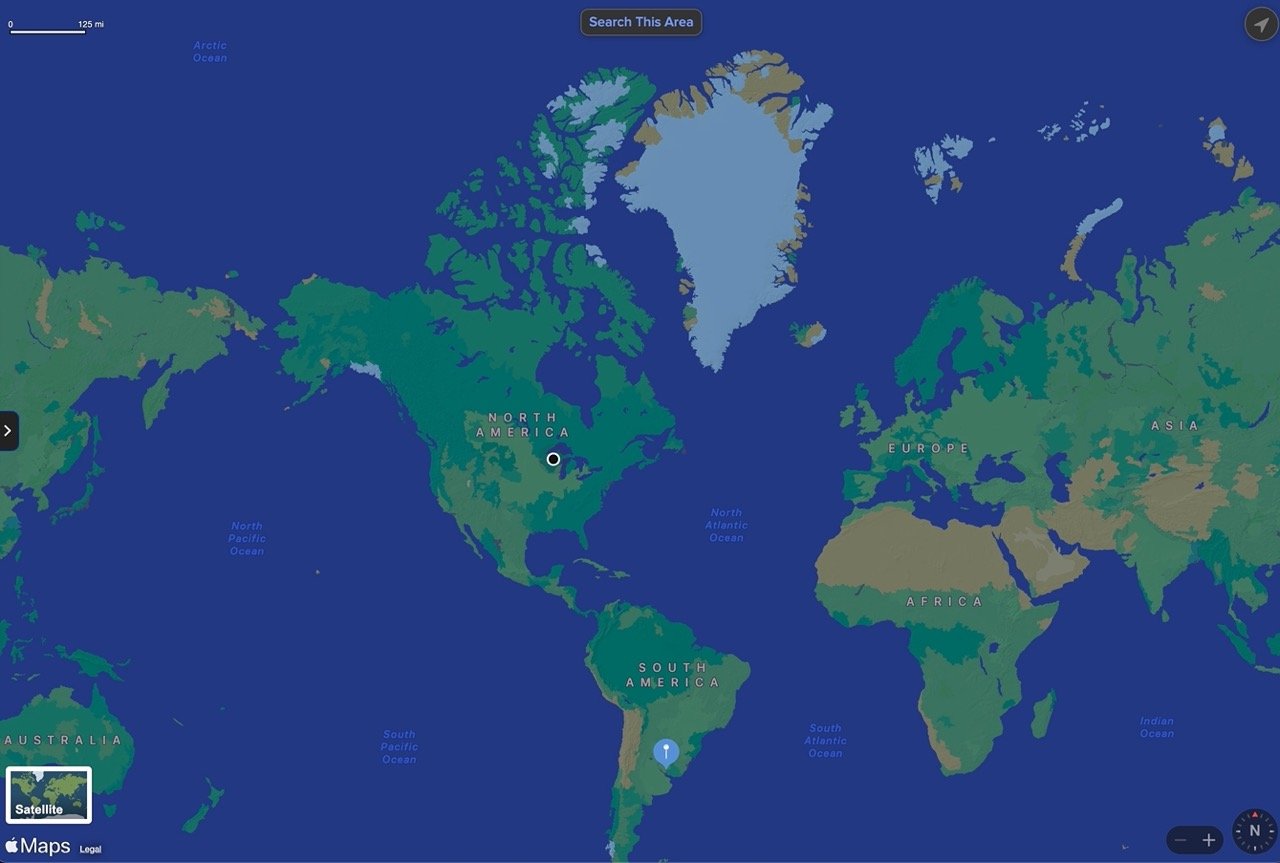
 DUCKDUCKGO MAPS
Europe
Maps are essential for visualizing location-based information. Explore the area related to "Europe" and find points of interest nearby.
A Continent of Musical Landmarks
Europe’s music is built on centuries of innovation and cultural exchange. Listening here means hearing:
- classical compositions
- folk traditions
- early jazz and blues influences
- rock and punk movements
- electronic and techno revolutions
- modern pop and indie scenes
Every city has its own musical identity, shaped by history, architecture, and community.
Vienna: The Capital of Classical Music
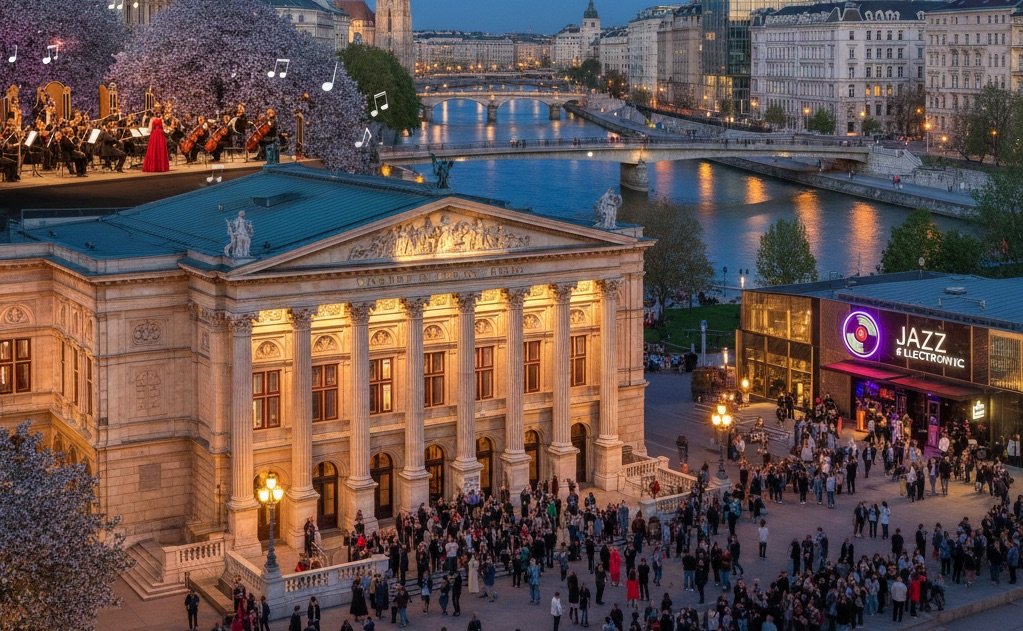


Vienna is synonymous with classical music — a city where composers shaped the foundations of Western musical tradition.
Concert Halls and Historic Venues
Vienna’s concert halls remain some of the most respected in the world. Their acoustics, architecture, and cultural significance make them essential stops for music lovers.
Classical Heritage
The city’s musical legacy continues through orchestras, opera houses, and conservatories that preserve and evolve classical traditions.
Modern Vienna
Beyond classical music, Vienna hosts jazz clubs, indie venues, and electronic scenes that reflect its evolving cultural landscape.
Listening in Vienna means hearing the roots of Western music.
Berlin: Electronic Innovation and Creative Freedom

Berlin is one of the world’s most influential music cities — a hub for electronic music, underground culture, and creative experimentation.
Techno and Club Culture
Berlin’s clubs helped define modern techno. The city’s nightlife is known for its openness, innovation, and global influence.
Experimental and Indie Scenes
Berlin attracts musicians from around the world, creating a diverse and constantly evolving music community.
Cultural Fusion
The city’s history and multicultural neighborhoods shape its sound, blending tradition with modern creativity.
Listening in Berlin means hearing the future of electronic music.
Paris: Jazz, Chanson, and Artistic Expression
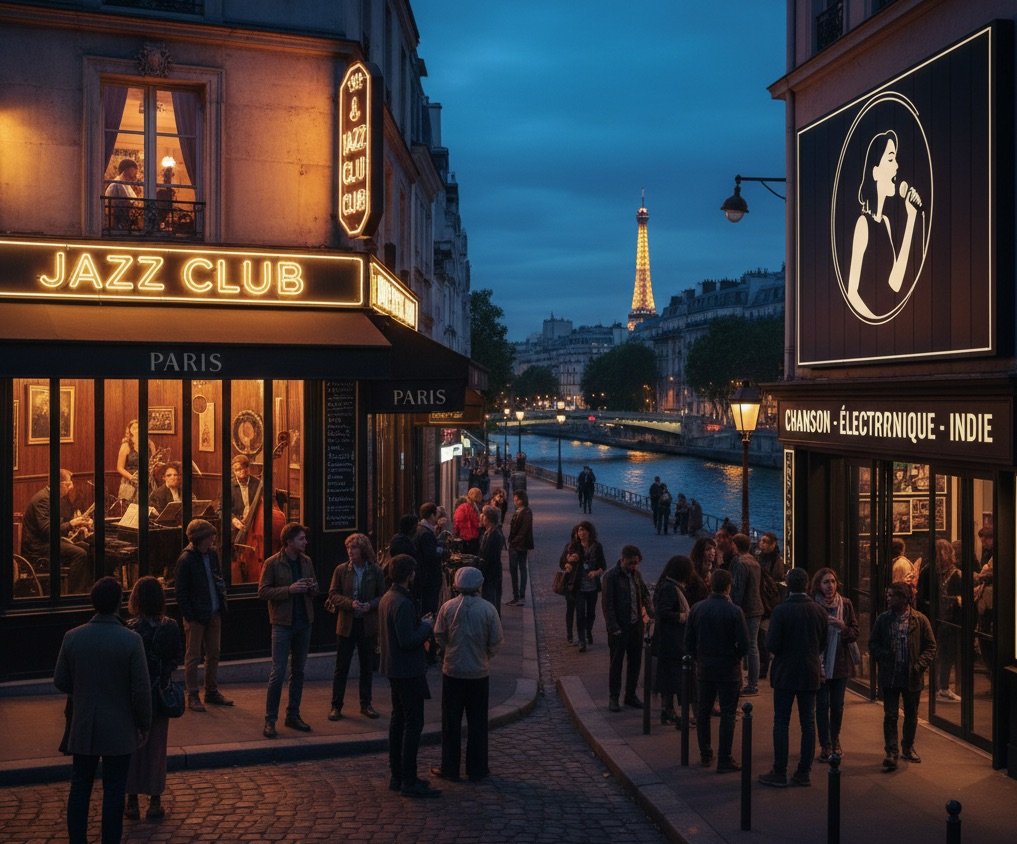
Paris has long been a center of artistic creativity — a city where music, poetry, and culture intersect.
Chanson Tradition
Chanson blends poetic lyrics with expressive melodies, reflecting Paris’s artistic spirit.
Jazz Influence
Paris became a home for jazz musicians who shaped the city’s vibrant club scene. Jazz remains central to its cultural identity.
Modern Paris
Electronic, indie, and experimental scenes thrive across the city’s neighborhoods.
Listening in Paris means hearing elegance, emotion, and artistic expression.
Lisbon: Fado and the Soul of Portugal
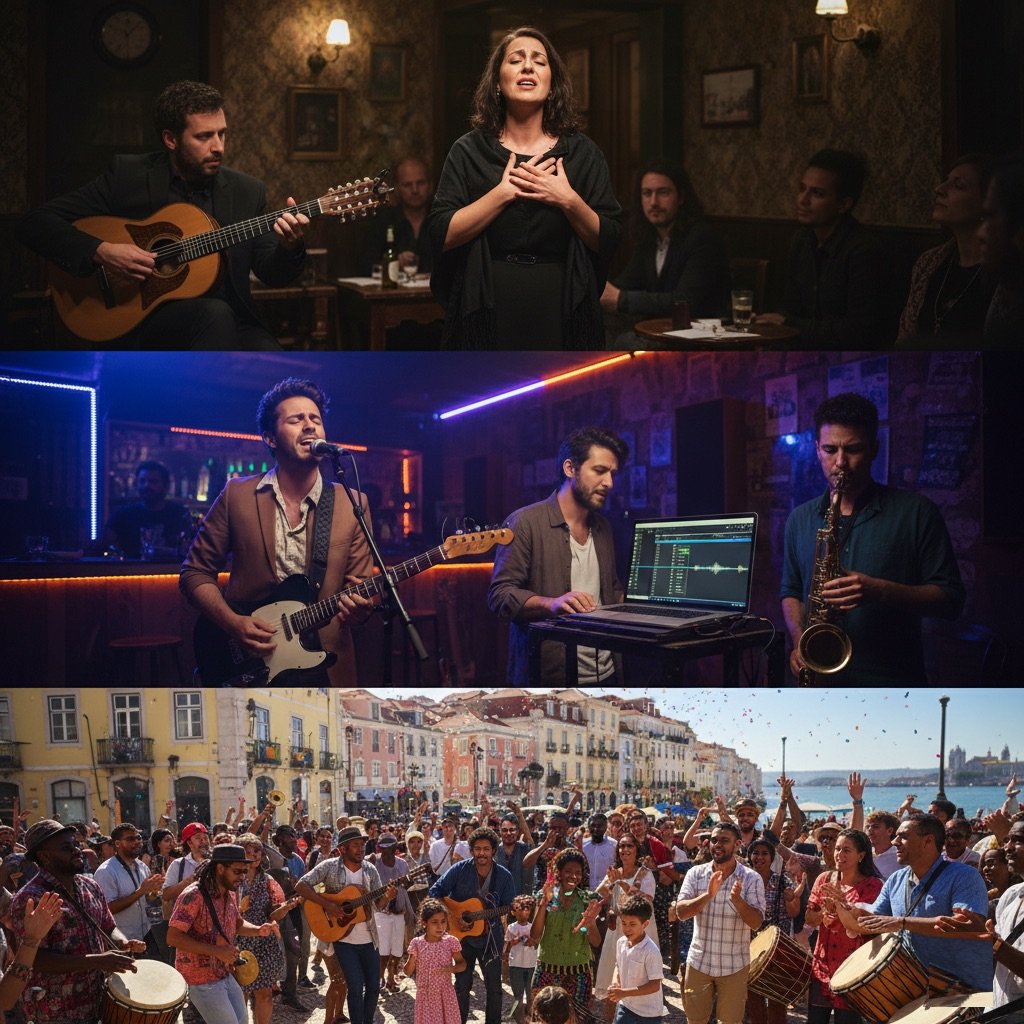
Lisbon’s music is defined by emotion, storytelling, and cultural depth.
Fado’s Melancholic Beauty
Fado expresses longing, identity, and the spirit of Lisbon’s historic neighborhoods. Its vocals and guitar lines create a sound that is instantly recognizable.
Modern Fusion
Lisbon’s artists blend traditional fado with jazz, electronic, and global influences.
Cultural Diversity
The city’s multicultural communities contribute to a rich and evolving music scene.
Listening in Lisbon means hearing the soul of Portugal.
Barcelona and Madrid: Flamenco, Folk, and Modern Creativity
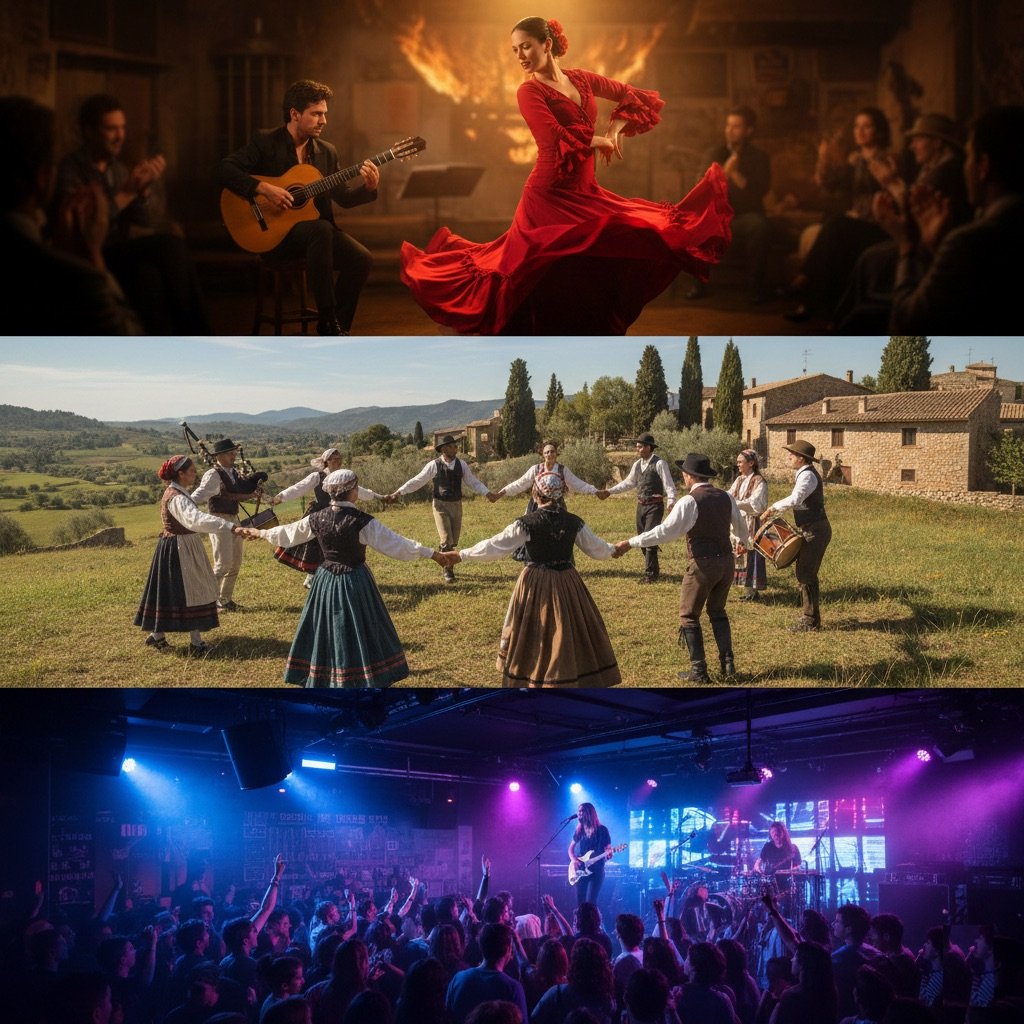
Spain’s music reflects centuries of cultural blending and regional identity.
Flamenco’s Passion
Flamenco is rooted in Andalusian culture, blending guitar, vocals, and dance into a powerful artistic expression.
Catalan and Spanish Folk Traditions
Regional folk styles remain central to cultural celebrations and community gatherings.
Modern Scenes
Barcelona and Madrid host thriving indie, electronic, and pop movements that continue to evolve.
Listening in Spain means hearing passion, rhythm, and artistic heritage.
Stockholm: Pop Innovation and Global Influence
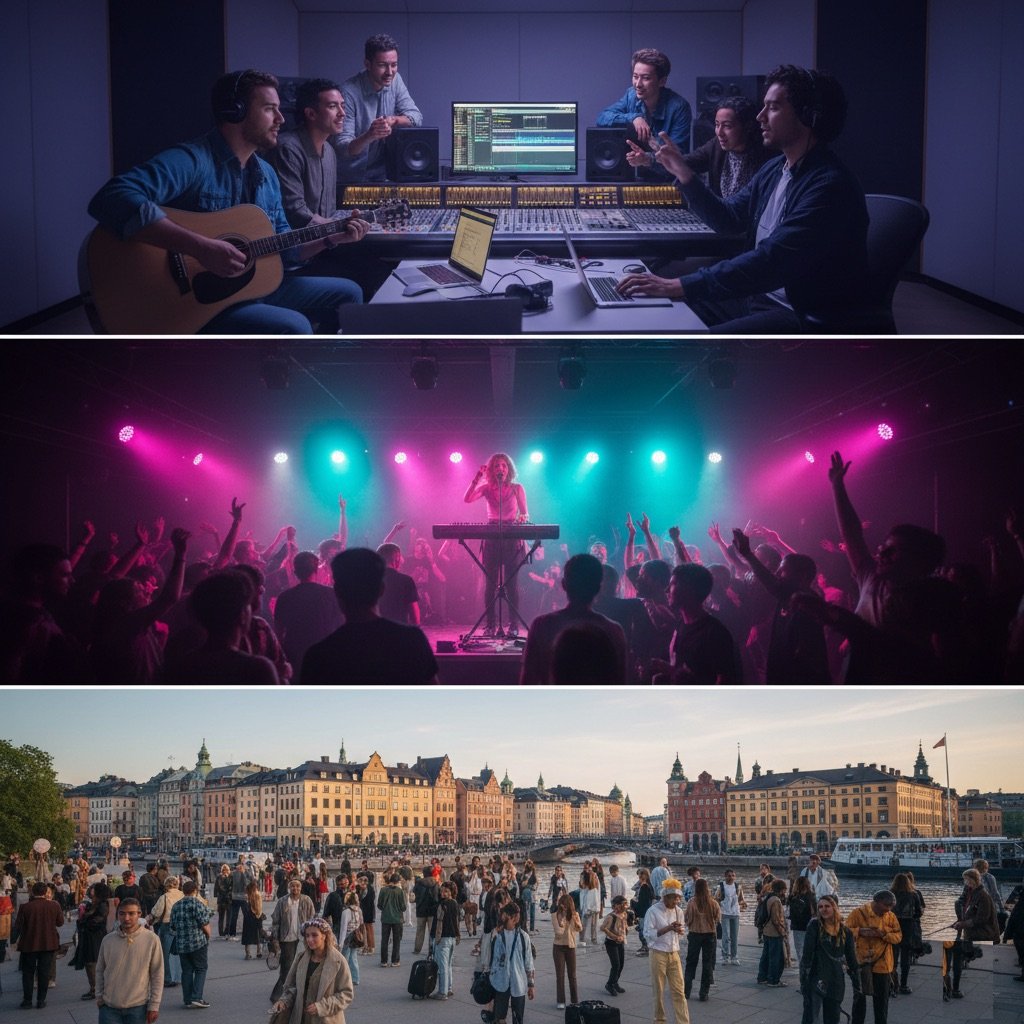
Stockholm is one of the world’s most influential pop music hubs.
Songwriting and Production
The city is known for its songwriting talent and production studios that shaped global pop hits.
Indie and Electronic Scenes
Stockholm’s creative neighborhoods foster indie, electronic, and experimental artists.
Cultural Creativity
The city’s design, architecture, and artistic culture influence its musical identity.
Listening in Stockholm means hearing modern pop innovation.
Dublin: Folk Traditions and Modern Storytelling
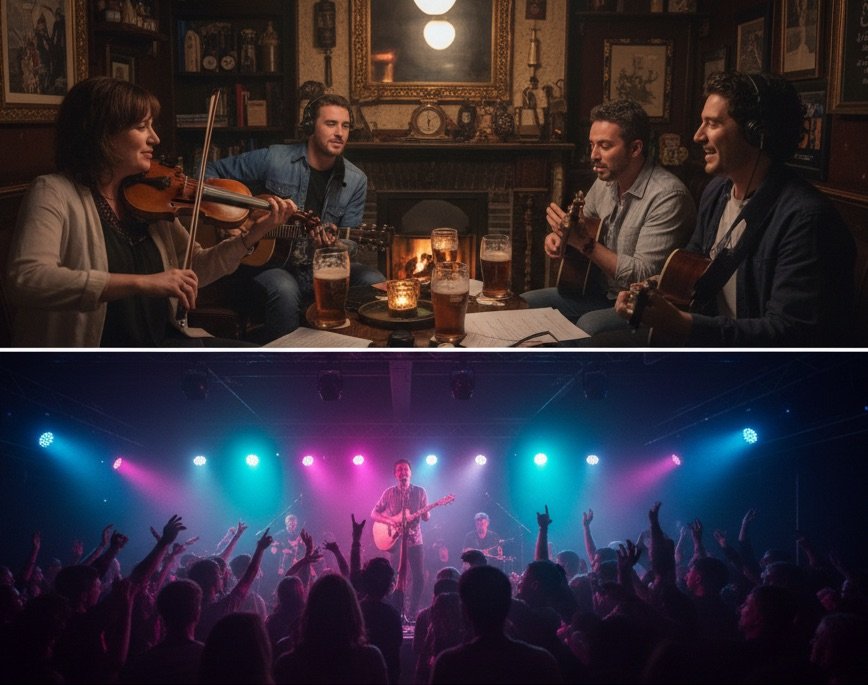
Ireland’s music is built on storytelling, melody, and community.
Traditional Irish Music
Fiddles, flutes, and traditional songs remain central to Irish culture.
Modern Rock and Indie
Dublin hosts thriving rock, indie, and singer‑songwriter scenes.
Cultural Identity
Irish music reflects history, emotion, and resilience.
Listening in Ireland means hearing stories carried through melody.
Why Listening in Europe Feels Like Traveling Through Music History
Europe’s music is shaped by:
- centuries of innovation
- cultural exchange
- regional identity
- artistic experimentation
- modern creativity
- global influence
Listening across the continent means experiencing a soundscape that shaped — and continues to shape — global music history.

 InternetMusicPlayer | GEAR & SETUPS
What Instruments Do NOT Travel Well | Consider the Options
Traveling with musical gear can be liberating — but not every instrument is built for movement, climate changes, or the unpredictable realities of airports, buses, and long-distance travel. Some instruments thrive on the road. Others…...
Frequently Asked Questions
What makes Europe’s music unique?
Its blend of classical heritage, regional traditions, and modern innovation creates a sound found nowhere else.
Which European city is most influential in global music?
Vienna, Berlin, and Paris each shaped major genres and movements.
Is European music only classical?
No — Europe has thriving modern scenes including electronic, pop, rock, and indie genres.
Can travelers experience live music across Europe?
Absolutely — festivals, clubs, concert halls, and cultural events are everywhere.
What instruments are common in European music?
Guitars, violins, pianos, electronic instruments, and many regional folk styles.
Are modern European genres globally influential?
Yes — electronic music, pop, and indie scenes have major global impact.
Do different regions have distinct musical identities?
Every region has its own traditions shaped by history, culture, and environment.
Final Thoughts
Listening in Europe is a journey through cities that defined global music history — a continent where classical masterpieces, rock revolutions, electronic innovation, and folk traditions coexist. From Vienna’s concert halls to Berlin’s clubs, to Lisbon’s soulful fado, every destination offers a unique sound shaped by centuries of creativity. Exploring these cities reveals how deeply music is woven into European identity, inviting listeners and travelers to experience the continent through its rhythms, stories, and evolving scenes.
Africa | Europe | South America | North America | Asia | The Caribbean
The Middle East | Oceania | The United Kingdom