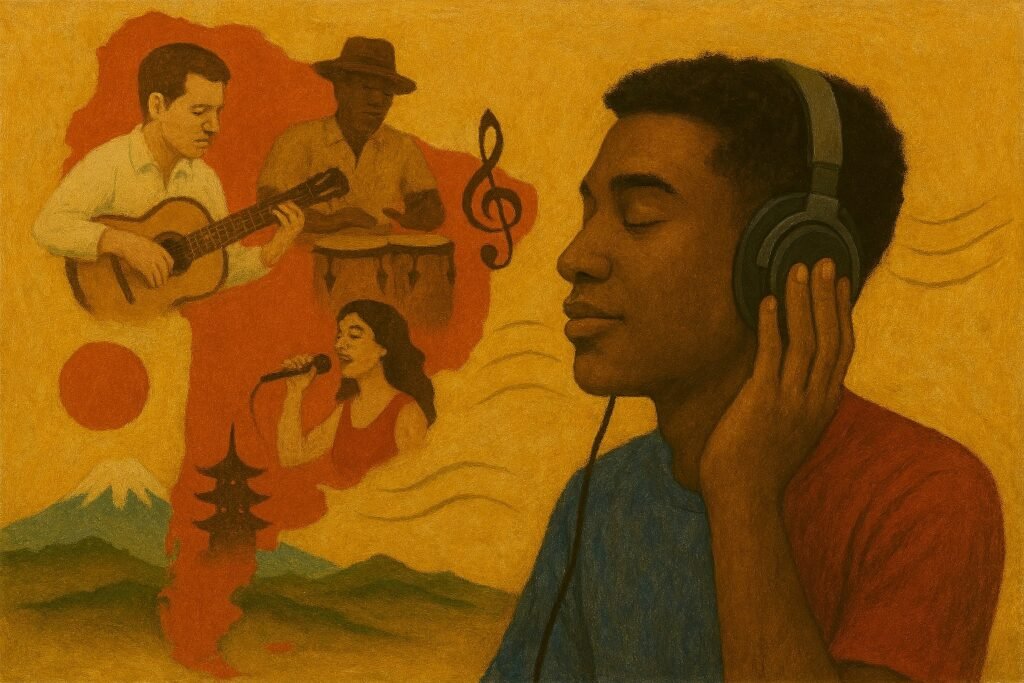
South America is a continent defined by rhythm — a place where music is woven into daily life, cultural identity, and collective memory. Listening in South America means tuning into a soundscape shaped by Indigenous traditions, African heritage, European influences, and modern innovation. From the Amazon to the Andes, from coastal cities to mountain villages, South America’s music reflects centuries of cultural blending and creative expression. Samba, tango, cumbia, bossa nova, Andean folk, and countless regional styles continue to inspire listeners around the world.
This guide explores the rhythms and regions that define South America’s musical identity — and how travelers can experience them across the continent.
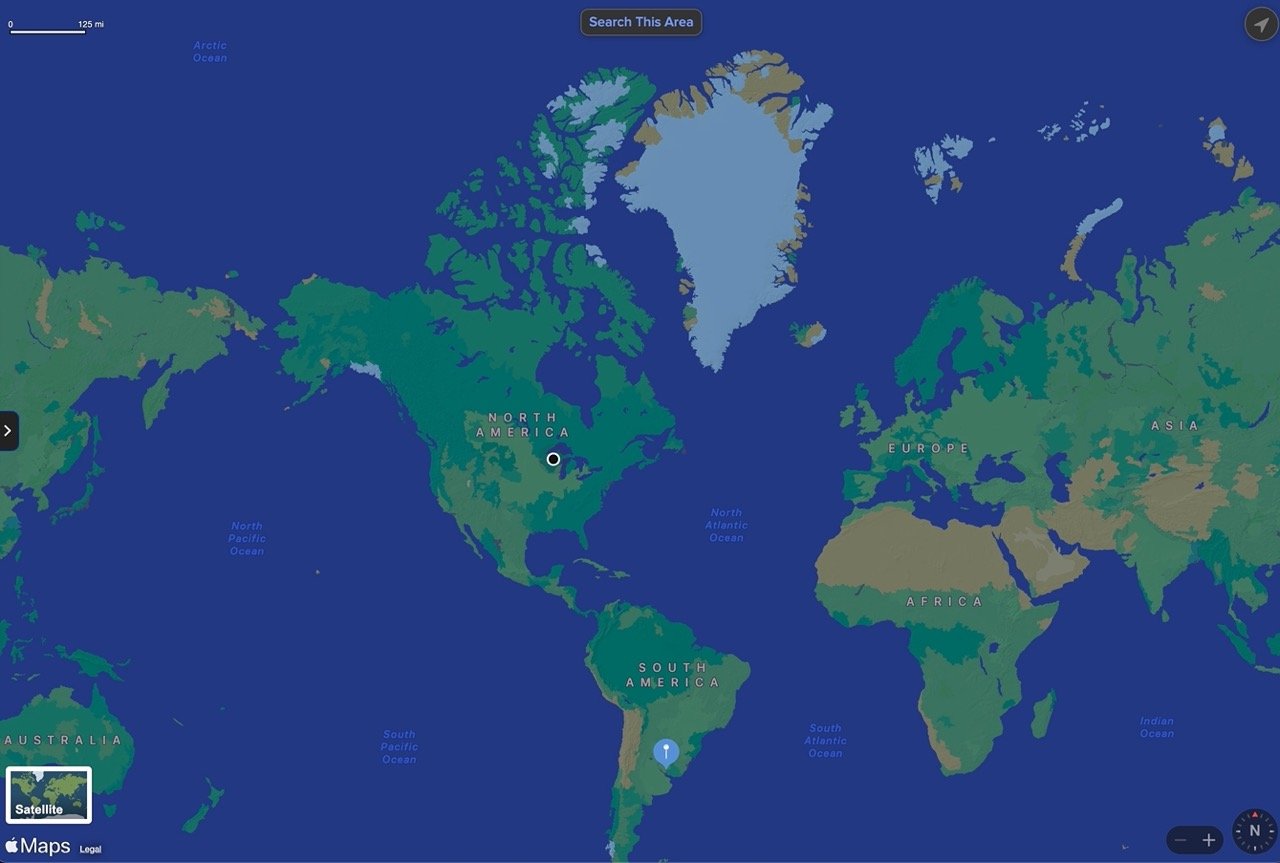
 GOOGLE MAPS
South America
Maps are essential for visualizing location-based information. Explore the area related to "South America" and find points of interest nearby.
A Continent Built on Cultural Fusion
South America’s music is the result of deep cultural intersections. Listening here means hearing:
- Indigenous melodies and ceremonial rhythms
- African percussion traditions
- European harmonies and instruments
- Caribbean and Latin influences
- modern pop, electronic, and fusion genres
Every region has its own musical fingerprint, shaped by history, geography, and community.
Brazil: Samba, Bossa Nova, and Endless Rhythm



Brazil is one of the world’s most musically influential countries — a place where rhythm is part of the national identity.
Across its cities, rainforests, and coastal regions, music is woven into daily life: samba pulsing through Rio’s streets, bossa nova drifting from cafés, forró energizing rural festivals, and MPB blending tradition with modern artistry. Brazil’s sound is shaped by Afro‑Brazilian heritage, Indigenous traditions, and centuries of cultural fusion, creating genres that feel both deeply rooted and endlessly inventive. For travelers, listening to Brazil is like stepping into a world where rhythm guides movement, community fuels creativity, and music is as essential as the air itself.
Samba: The Heartbeat of Brazil
Samba emerged from Afro‑Brazilian communities and grew into a national symbol. Its percussion‑driven energy fills festivals, street parades, and neighborhood gatherings.
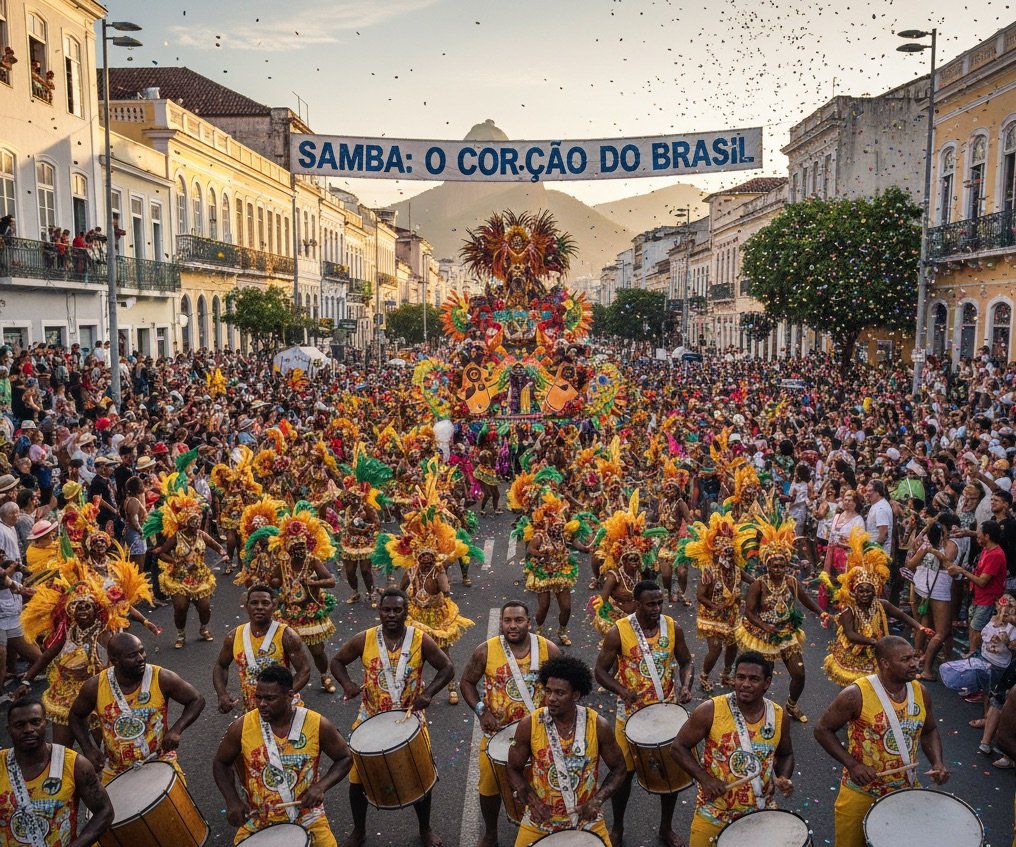
Samba’s connection to place makes it especially powerful for music‑inspired travel. Hearing it in Brazil isn’t just about the rhythm — it’s about feeling the neighborhoods, beaches, and gathering spaces that shaped it. Travelers who follow samba through Rio’s hillside communities, coastal promenades, or late‑night bars experience how geography and culture intertwine to create a living soundtrack. The music becomes a guide, revealing the spirit of each place through its tempo, its energy, and the way people move together.
Bossa Nova: Soft, Smooth, and Timeless
Bossa nova blends samba rhythms with gentle guitar lines and understated vocals. Its relaxed, coastal feel reflects Brazil’s beach culture and artistic spirit.
Bossa nova becomes a kind of sonic postcard — a way to feel the warmth of Rio’s shoreline, the sway of palm trees, and the unhurried rhythm of coastal life. Hearing it in the places that shaped it, from Ipanema’s cafés to quiet seaside neighborhoods, turns the music into a guide to Brazil’s creative soul.
Regional Styles
Brazil’s vast size means endless variety — from forró in the northeast to MPB (Música Popular Brasileira) in major cities.
This diversity turns the country into a sonic journey: each region offers its own rhythms, instruments, and cultural textures. Hearing forró in a northeastern plaza or MPB in a São Paulo café connects you directly to the landscapes and communities that shaped those sounds. It’s a reminder that exploring Brazil through music is like traveling through many countries at once, each with its own heartbeat and creative identity.
Listening in Brazil means hearing rhythm, warmth, and cultural pride.
Argentina: Tango, Folk Traditions, and Urban Creativity
Argentina’s music is emotional, expressive, and deeply tied to its cultural identity.
Buenos Aires: The Home of Tango
Tango was born in the neighborhoods of Buenos Aires, shaped by migration, longing, and urban life. Its dramatic melodies and passionate dance remain central to the city’s identity.
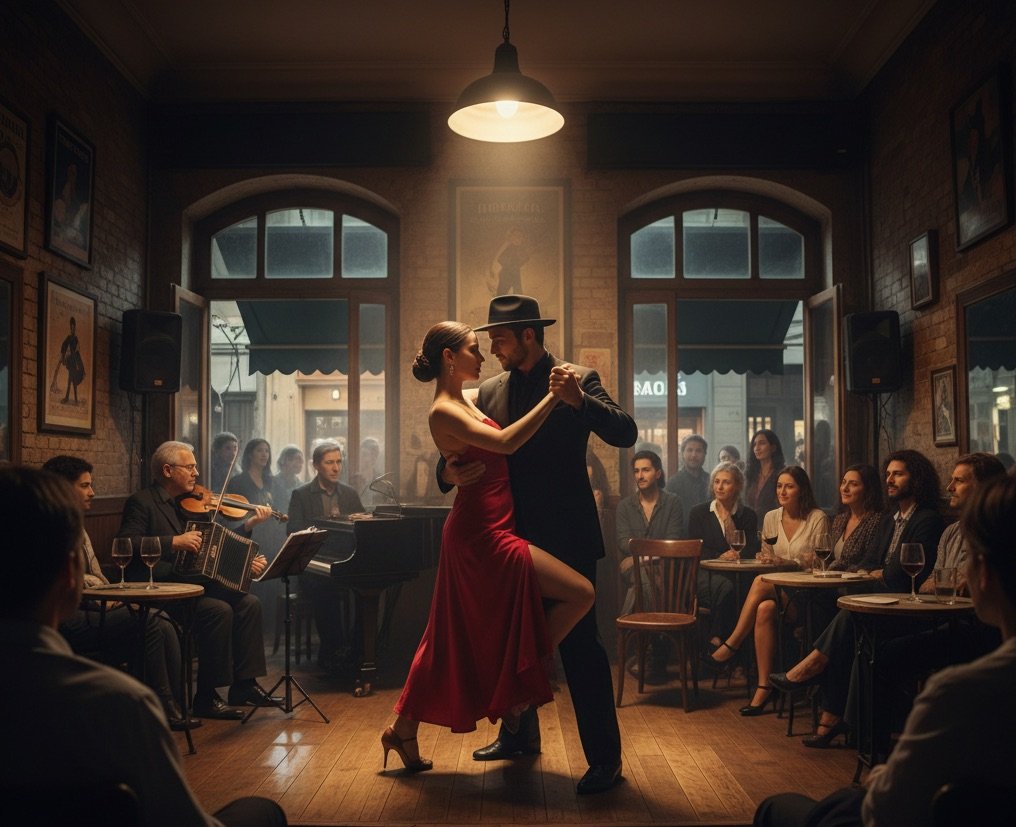
Hearing tango within Buenos Aires adds layers of meaning to the music — the sound feels inseparable from the city’s architecture, its late‑night cafés, and the historic barrios where it first took shape. The rhythms echo through San Telmo’s cobblestones and La Boca’s colorful streets, creating a sense that the city itself is part of the instrumentation. In these spaces, tango becomes more than a genre; it becomes a reflection of place, carrying the emotional history of the neighborhoods that nurtured it.
Folk Traditions Across the Country
Styles like chacarera, zamba, and chamamé reflect Argentina’s rural heritage, blending Indigenous and European influences.
Across the country, these folk traditions feel deeply connected to the landscapes that shaped them — from the open plains of the Pampas to the forests and river regions of the northeast. Each style carries the cadence of its home region: chacarera with its lively, percussive footwork; zamba with its graceful, hand‑kerchief dance; and chamamé with its accordion‑driven warmth. Hearing these genres in the towns and provinces where they originated reveals how closely the music mirrors local rhythms of life, community gatherings, and the natural environment that inspired them.
Modern Scenes
Buenos Aires also hosts thriving rock, indie, and electronic movements that continue to evolve.
These contemporary styles feel closely tied to the city’s creative districts — places like Palermo, Chacarita, and Almagro, where small venues, rehearsal rooms, and late‑night clubs shape the sound of each scene. The music reflects the pace of urban life: energetic, experimental, and constantly shifting. Hearing these genres in the neighborhoods where they’re made reveals how modern Buenos Aires blends tradition with innovation, turning the city into a living laboratory for new musical ideas.
Listening in Argentina means hearing emotion, elegance, and artistic depth.
Colombia: Cumbia, Vallenato, and Caribbean Influence
Colombia’s music is vibrant, rhythmic, and shaped by its diverse landscapes.
Across the country, each region’s sound reflects its environment — from the Caribbean coast’s upbeat cumbia shaped by coastal breezes and port‑city rhythms to the Pacific’s marimba‑rich traditions rooted in rainforest communities. Inland, the Andes influence styles like bambuco and pasillo, while the plains of the Llanos give rise to joropo with its galloping pulse. Hearing these genres in the places they come from reveals how closely Colombia’s musical identity is tied to geography, movement, and the cultural blend of its many regions.
Cumbia: A Continental Icon
Cumbia blends African percussion, Indigenous flutes, and Spanish melodies. It began on Colombia’s Caribbean coast and spread across Latin America, becoming one of the region’s most influential genres.
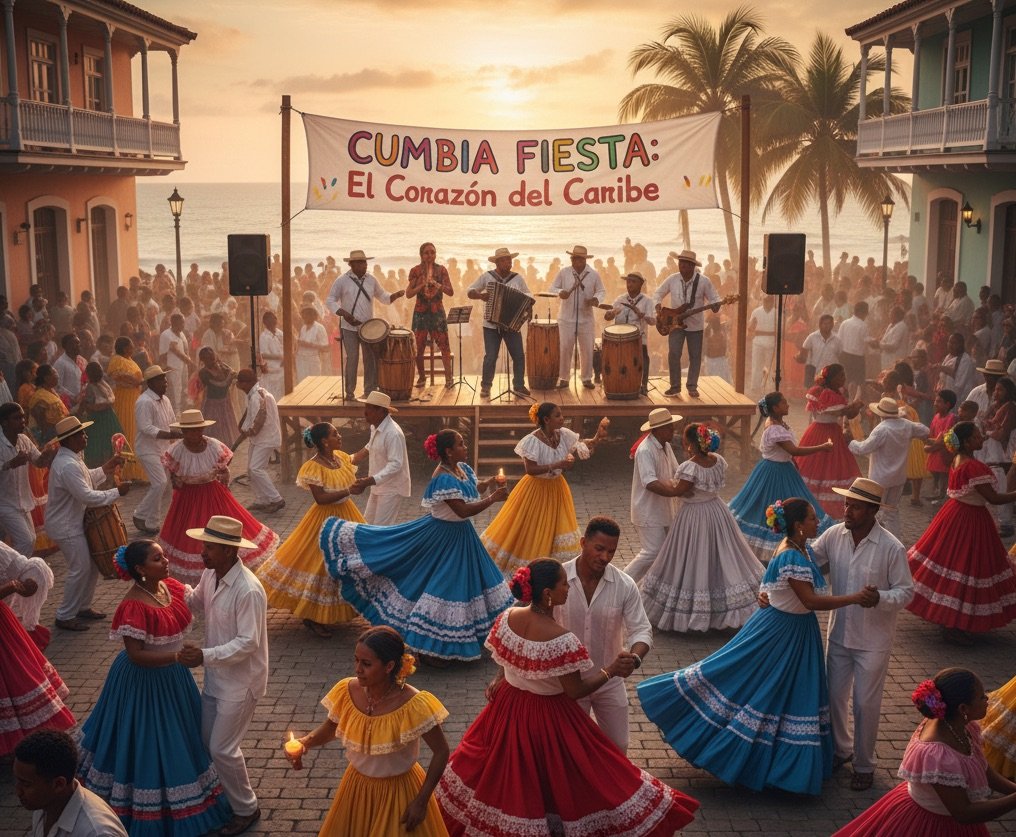
Hearing cumbia in coastal Colombia reveals how closely the music is tied to its environment — the sway of the rhythm mirrors the movement of the sea, the percussion echoes community celebrations, and the melodies reflect centuries of cultural exchange in port cities. As the genre traveled, each region adapted it to its own landscape and traditions, creating local variations that still carry the pulse of its Caribbean origins.
Vallenato: Storytelling Through Song
Vallenato features accordion‑driven melodies and lyrical storytelling, reflecting the traditions of Colombia’s northern regions.
Hearing vallenato in places like Valledupar or along the Caribbean coast reveals how closely the genre is tied to local life — from the cadence of rural travel to the warmth of community gatherings. The music carries the feel of open landscapes, long journeys, and shared stories passed from one generation to the next. Its sound reflects the region’s blend of cultures and the everyday experiences that continue to shape its narrative style.
Modern Fusion
Cities like Bogotá and Medellín host electronic, hip‑hop, and fusion scenes that blend tradition with modern creativity.
In these urban centers, the music feels inseparable from the atmosphere of the cities themselves — the altitude and bustle of Bogotá, the valley setting and nightlife of Medellín, the constant movement of people and ideas. Local artists often weave traditional rhythms, Indigenous instruments, or Afro‑Colombian influences into contemporary production, creating sounds that mirror the cultural mix of each place. Hearing these genres where they’re made highlights how Colombia’s modern scenes grow directly from the character, energy, and diversity of the cities that shape them.
Listening in Colombia means hearing rhythm, storytelling, and cultural diversity.
Peru: Andean Melodies and Coastal Rhythms
Peru’s music reflects its Indigenous heritage, coastal traditions, and Afro‑Peruvian influences.
Across the country, each region’s sound carries a sense of place — from the highland melodies shaped by Andean flutes and panpipes to the coastal rhythms built on cajón percussion and call‑and‑response singing. These traditions echo the landscapes they come from: mountain festivals, desert coastlines, and historic Afro‑Peruvian communities. Hearing these styles where they originated reveals how Peru’s musical identity is deeply rooted in geography, ancestry, and the everyday rhythms of local life.
Andean Music
Pan flutes, charangos, and traditional melodies define the sound of the Andes. These songs often reflect nature, spirituality, and community life.
Hearing Andean music in highland regions like Cusco or Puno reveals how closely the sound is tied to the landscape — the thin mountain air, terraced fields, and wide horizons shape both the instruments and the melodies. The music often mirrors the rhythm of daily life in the Andes, from agricultural cycles to ceremonial gatherings, creating a sonic connection to the mountains that have inspired these traditions for centuries.
Afro‑Peruvian Rhythms
Coastal regions celebrate percussion‑driven styles shaped by African heritage, including festejo and landó.
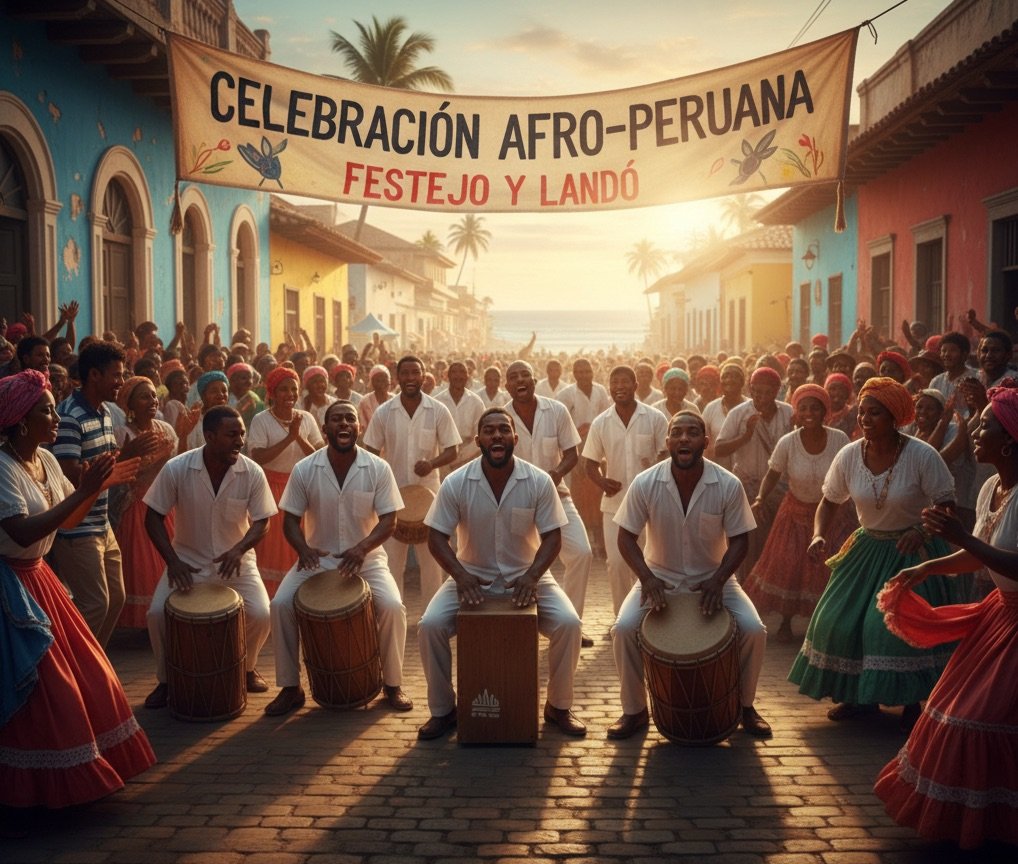
Hearing these rhythms along Peru’s coast reveals how deeply they’re connected to the region’s history and environment — the wooden cajón echoing through seaside neighborhoods, the call‑and‑response vocals reflecting community traditions, and the dance movements shaped by generations of cultural resilience. The music carries the feel of coastal life, blending ancestral memory with the energy of contemporary celebrations, creating a sound that remains rooted in place.
Modern Movements
Peru’s cities host growing indie, electronic, and fusion scenes that reinterpret traditional sounds.
In places like Lima and Arequipa, these genres feel closely connected to the urban environment — from coastal nightlife to creative districts where artists experiment with Andean melodies, Afro‑Peruvian rhythms, and contemporary production. The result is a sound that reflects both the country’s deep cultural roots and the energy of its modern cityscapes, showing how tradition continues to evolve in dialogue with place.
Listening in Peru means hearing history carried through melody.
Chile: Folk Traditions and Contemporary Innovation
Chile’s music blends poetic storytelling, folk traditions, and modern experimentation.
Across the country, each style reflects a strong sense of place — from the windswept landscapes of Patagonia that shape southern folk traditions to the coastal cities where nueva canción first found its voice. In Santiago, contemporary artists mix electronic textures, indie influences, and traditional instruments, creating sounds that mirror the city’s creative energy. Hearing these genres in their home regions reveals how Chile’s musical identity is rooted in both its geography and its long tradition of expressive, socially aware songwriting.
Nueva Canción Movement
This influential folk movement emphasized social themes, poetic lyrics, and acoustic arrangements. It remains central to Chile’s cultural identity.
Hearing Nueva Canción in the regions where it first took shape — especially Santiago and Valparaíso — reveals how deeply the music is tied to place. Its sound echoes the cafés, community centers, and university spaces where artists gathered to share ideas, blending traditional instruments with a spirit of reflection and resistance. The movement’s melodies still carry the atmosphere of these urban landscapes, preserving a connection between Chile’s cultural history and the environments that inspired its most iconic voices.
Andean and Coastal Influences
Chile’s geography shapes its sound — from mountain melodies to coastal rhythms.
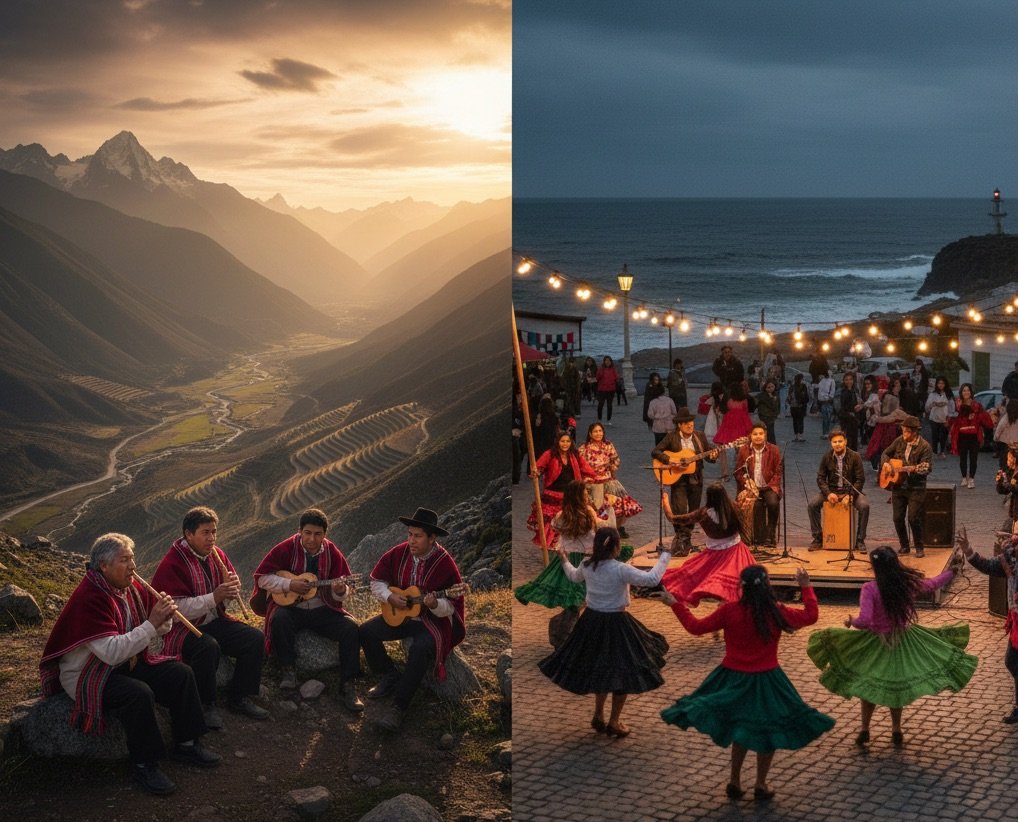
Hearing these styles in their home regions highlights how closely the music reflects the country’s varied landscapes. In the Andes, traditional instruments like quenas and charangos echo across high valleys and mountain towns, creating melodies shaped by altitude and open horizons. Along the coast, rhythms influenced by seafaring life and port‑city culture carry a different energy, marked by percussion and lively communal gatherings. Together, these regional sounds form a musical identity that mirrors Chile’s dramatic geography.
Modern Scenes
Santiago’s indie, electronic, and experimental artists continue to push creative boundaries.
Hearing these styles within the city highlights how closely they’re shaped by Santiago’s urban landscape — from downtown cultural centers to the creative hubs of neighborhoods like Bellavista and Ñuñoa. The music often blends digital production with traditional instruments or poetic lyricism, reflecting the city’s mix of history and modernity. These evolving scenes capture the energy of contemporary Chile, where innovation grows directly from the character and rhythm of the capital.
Listening in Chile means hearing poetry, resilience, and artistic evolution.
Ecuador and Bolivia: Andean Roots and Cultural Continuity
These countries share deep Andean traditions shaped by Indigenous heritage and mountain landscapes.
Hearing music in the highlands of Ecuador and Bolivia reveals how closely these sounds are tied to place — from the echo of panpipes across volcanic valleys to the steady pulse of drums used in community festivals. Traditional ensembles often mirror the rhythm of mountain life, with melodies shaped by altitude, agricultural cycles, and centuries‑old ceremonies. The result is a musical identity that feels inseparable from the Andes themselves, carrying forward cultural continuity through both everyday gatherings and major celebrations.
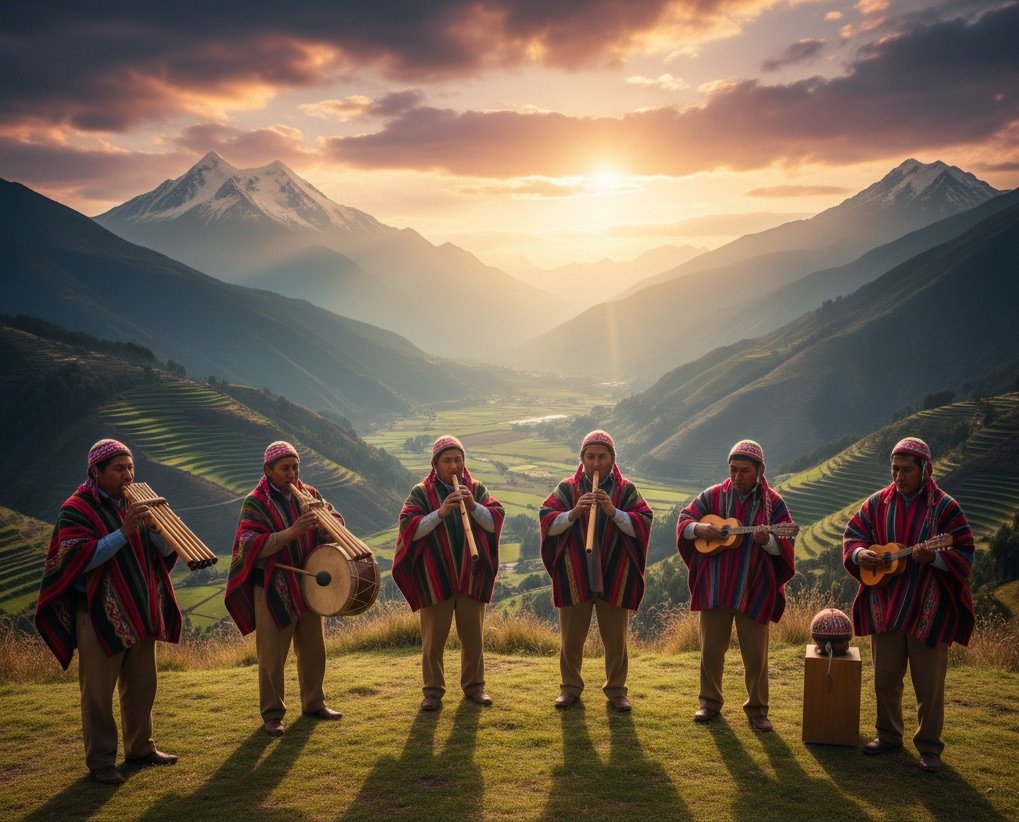
Traditional Instruments
Panpipes, flutes, and stringed instruments remain central to regional music.
These instruments carry the sound of the highlands, shaped by altitude, open valleys, and centuries of Indigenous craftsmanship. The airy tone of the zampoña, the expressive voice of the quena, and the bright resonance of the charango reflect both the landscape and the communities that have played them for generations. Their timbres evoke wind, movement, and ritual, grounding the music in a sense of place.
Ceremonial and Community Rhythms
Festivals and gatherings highlight the importance of music in cultural identity.
In both Ecuador and Bolivia, these rhythms accompany agricultural cycles, religious celebrations, and local traditions that bring entire communities together. Drums, rattles, and collective singing create a shared pulse that reinforces social bonds. Whether in small villages or bustling highland cities, these gatherings show how music functions as a living expression of heritage, memory, and communal belonging.
Modern Interpretations
Contemporary artists blend Andean melodies with rock, pop, and electronic styles.
This fusion often keeps the recognizable textures of traditional instruments while placing them in new sonic environments — amplified stages, digital production, or collaborative cross‑genre projects. The result is a modern sound that still feels rooted in the mountains, bridging ancestral practices with current creative movements. These reinterpretations help younger generations connect with their cultural history in fresh, evolving ways.
Listening in Ecuador and Bolivia means hearing ancient traditions carried into modern life — melodies shaped by the Andes, rhythms tied to community, and new voices weaving the old and the contemporary into a shared musical identity.
Uruguay and Paraguay: Regional Styles and Cultural Identity
These smaller nations have rich musical traditions that reflect their unique histories.
Uruguay and Paraguay each carry distinct musical identities shaped by geography, migration, and long‑standing cultural traditions. In Uruguay, coastal life and urban creativity influence genres like candombe and tango, while Paraguay’s rural landscapes and Guaraní heritage give rise to harp‑driven melodies and poetic folk songs. Hearing these styles in their home regions reveals how deeply music is woven into daily life — from Montevideo’s drumlines echoing through neighborhood streets to Paraguayan harpists performing pieces rooted in Indigenous language and storytelling. Together, these traditions show how both countries maintain strong cultural identities through sound, rhythm, and place.
Uruguay: Candombe and Murga
Candombe’s African‑influenced drumming and Montevideo’s theatrical murga performances define the country’s cultural sound.
Hearing candombe in Montevideo’s neighborhoods — especially Sur, Palermo, and Cordón — reveals how deeply the rhythm is tied to community life. The interplay of piano, repique, and chico drums creates a pulse that moves through the streets during rehearsals, parades, and Sunday gatherings, carrying forward Afro‑Uruguayan traditions that have shaped the city for generations.
Murga, with its choral singing, satire, and colorful staging, reflects a different side of Uruguay’s identity. Rooted in carnival culture, it blends sharp social commentary with theatrical flair, often performed by large ensembles whose harmonies echo through plazas and open‑air venues. Together, candombe and murga form a vibrant cultural landscape where rhythm, storytelling, and neighborhood pride remain central to Uruguay’s musical expression.
Paraguay: Harp Traditions and Folk Melodies
The Paraguayan harp is central to the nation’s musical identity, creating bright, melodic textures.
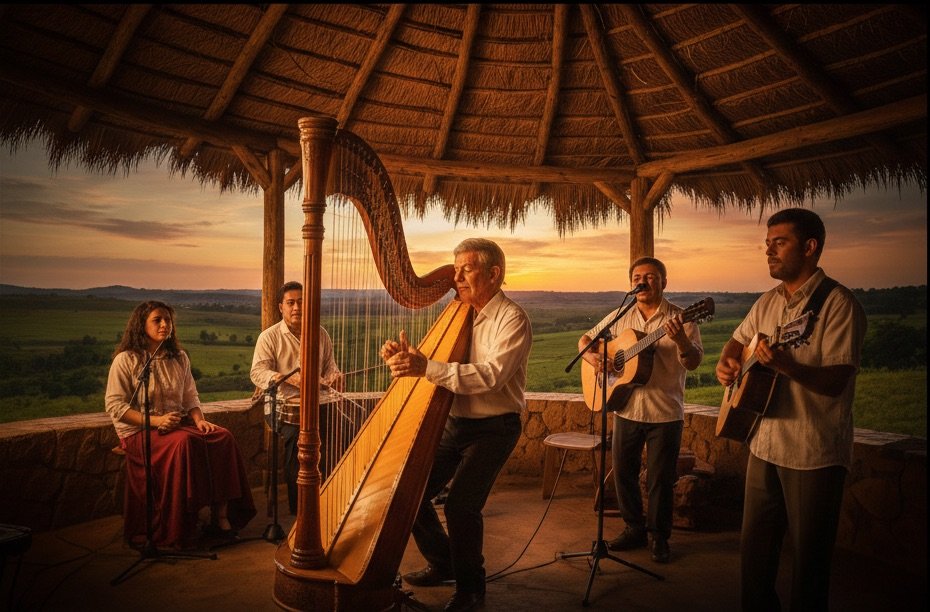
Hearing the harp in Paraguay reveals how deeply its sound is woven into everyday life — from rural gatherings to city performances where musicians showcase intricate fingerwork and shimmering, cascading melodies. The instrument’s warm resonance reflects both Indigenous roots and centuries of local craftsmanship, giving Paraguayan folk music a distinctive voice that feels immediately tied to place.
Listening here means hearing regional pride and cultural continuity.
Folk genres like polka paraguaya and guarania carry stories of landscape, language, and community, often sung in Guaraní and shaped by the gentle sway of harp and guitar. These traditions remain vibrant across the country, connecting generations through music that honors heritage while continuing to evolve in contemporary settings.
Why Listening in South America Feels Like Hearing the World’s Rhythm
South America’s music is shaped by:
- cultural fusion
Centuries of interaction among Indigenous, African, and European traditions created musical languages found nowhere else — rhythms born in port cities, melodies shaped by mountains and forests, and instruments that carry deep ancestral memory. - community expression
Music is woven into daily life, from neighborhood drumlines and family gatherings to festivals that bring entire towns into motion. These traditions aren’t just performed — they’re lived. - storytelling
Many genres serve as oral history, carrying stories of migration, resistance, celebration, and identity. Lyrics often reflect the landscapes and communities that shaped them. - dance traditions
Movement is inseparable from sound. Whether it’s the sway of cumbia, the pulse of samba, or the footwork of tango, dance transforms music into a shared physical experience. - regional identity
Each country — and often each region within a country — has its own sonic fingerprint. The Andes, the Amazon, the coasts, and the plains all influence rhythm, instrumentation, and mood. - modern innovation
Contemporary artists blend traditional elements with rock, hip‑hop, electronic music, and global pop, creating new styles that still feel rooted in place.
Listening across the continent means experiencing a soundscape that has inspired the world — from global pop to jazz, electronic music, and beyond. South America’s music carries the weight of history and the spark of constant reinvention, offering a rhythm that feels both deeply local and unmistakably universal.

 InternetMusicPlayer | DESTINATIONS
Listening in the Caribbean | Islands That Shaped Iconic Sounds
Listening in the Caribbean is more than hearing music — it’s experiencing the places, people, and stories that shaped genres recognized around the world. From reggae and dancehall to soca, calypso, zouk, and beyond, the...
Frequently Asked Questions
What makes South American music unique?
Its blend of Indigenous, African, and European influences creates a sound found nowhere else.
Which South American country is most influential in global music?
Brazil and Argentina are major global influences, but every country contributes unique styles.
Is South American music only traditional?
No — the region has thriving modern scenes including pop, rock, electronic, and fusion genres.
Can travelers experience live music across South America?
Absolutely — festivals, street performances, and cultural events are common throughout the continent.
What instruments are common in South American music?
Percussion, guitars, accordions, pan flutes, charangos, and many regional instruments.
Are modern genres popular in South America?
Yes — contemporary pop, hip‑hop, electronic, and indie scenes are growing rapidly.
Do different regions have distinct musical identities?
Every region has its own traditions shaped by history, culture, and environment.
Final Thoughts
Listening in South America is a journey through rhythms and regions that inspire the world — a continent where music is woven into daily life, cultural identity, and artistic expression. From Brazil’s samba to Argentina’s tango, from Colombia’s cumbia to Andean melodies, every destination offers a unique sound shaped by history and creativity. Exploring these regions reveals how deeply music connects communities across the continent, inviting listeners and travelers to experience South America through its rhythms, stories, and evolving sound.
Africa | Europe | South America | North America | Asia | The Caribbean
The Middle East | Oceania | The United Kingdom