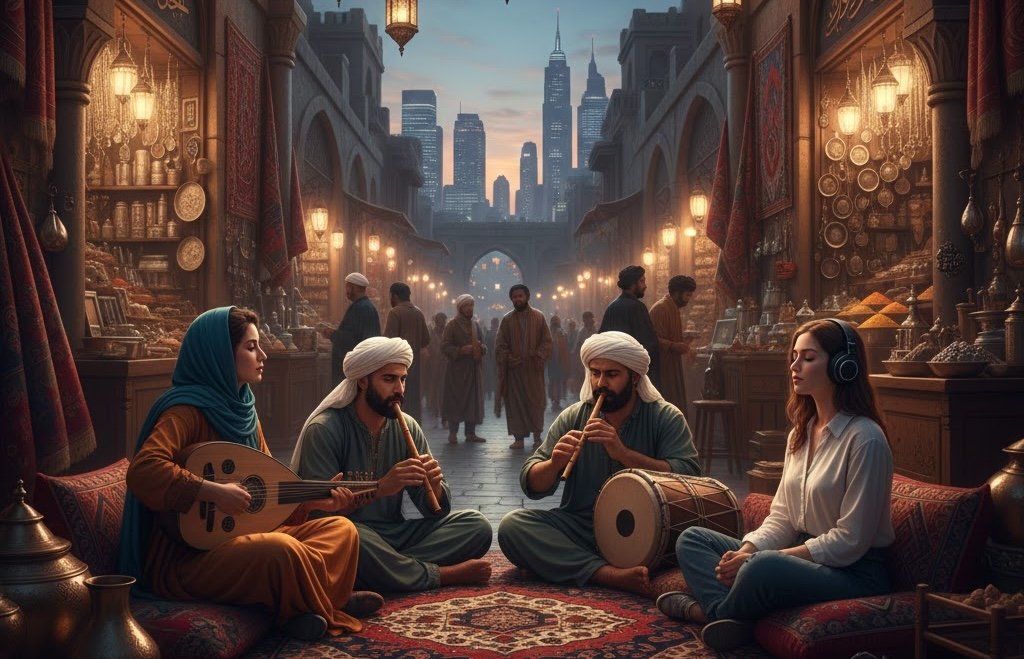
The Middle East is one of the world’s oldest musical regions — a crossroads of civilizations where rhythm, poetry, and melody have shaped culture for thousands of years. Listening in the Middle East means tuning into a soundscape where ancient traditions coexist with modern innovation, where classical instruments meet electronic experimentation, and where cities pulse with both heritage and contemporary creativity. From the oud and qanun to hip‑hop collectives and underground electronic scenes, the region offers a rich musical journey for travelers and listeners alike.
This guide explores the places, traditions, and evolving music scenes that define the Middle East’s sonic identity.
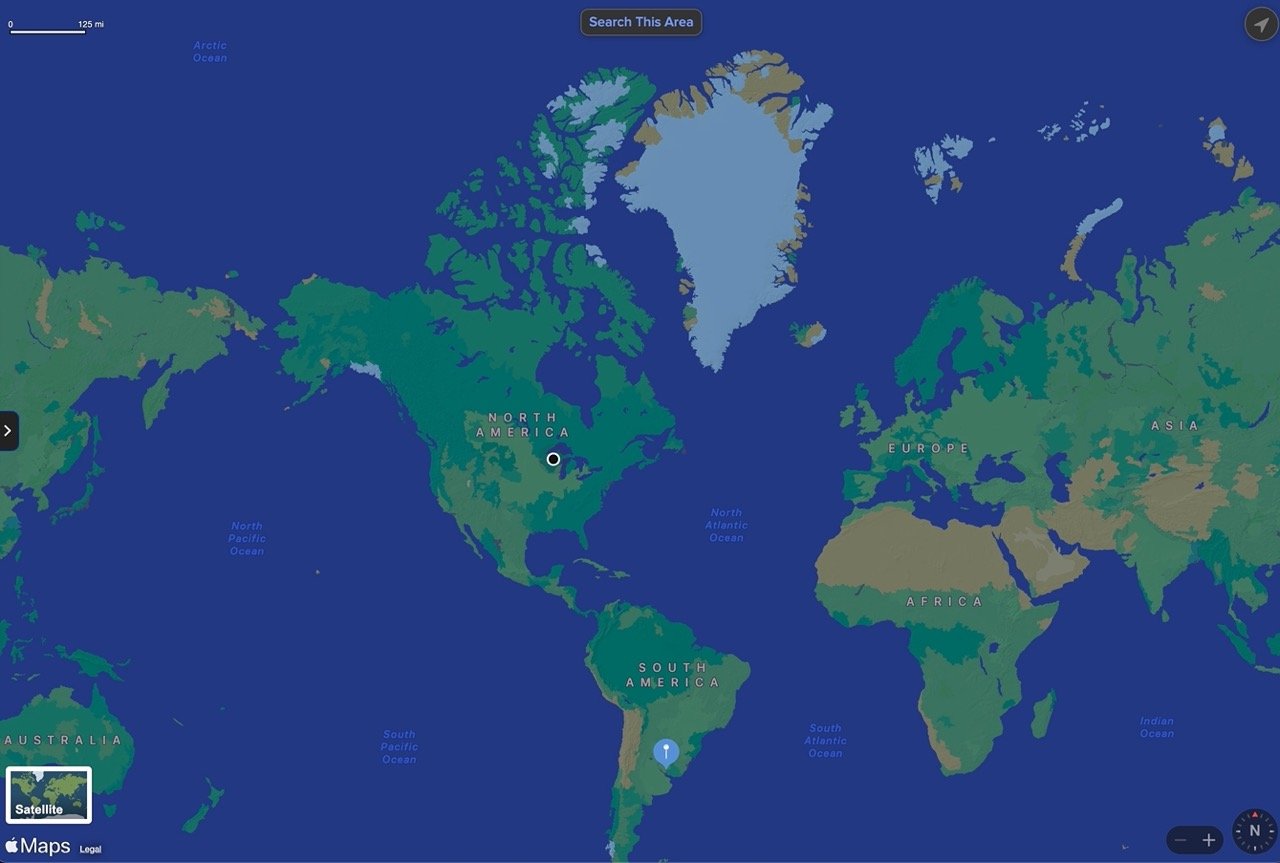
 GOOGLE MAPS
Middle East Arabian Peninsula
Maps are essential for visualizing location-based information. Explore the area related to "Middle East Arabian Peninsula" and find points of interest nearby.
A Region Where Music and History Intertwine
Music in the Middle East is inseparable from its cultural roots. Poetry, storytelling, religious traditions, and community gatherings all shape the region’s sound. Listening here means hearing:
- ancient modal systems
- traditional instruments
- folk rhythms
- classical ensembles
- modern fusion genres
- electronic and indie scenes
- regional pop movements
Every country, city, and community contributes its own voice to the region’s musical landscape.
Egypt: The Heart of Classical and Contemporary Arabic Music



Egypt has long been a cultural powerhouse, shaping the sound of the Arab world through classical traditions, film music, and modern pop.
Cairo’s Musical Legacy
Cairo’s historic districts are filled with venues, cafés, and cultural centers where traditional ensembles perform. The city’s classical music heritage remains central to its identity.
The Oud and Vocal Traditions
Egyptian music is known for expressive vocals, poetic lyrics, and the warm tones of the oud — an instrument deeply tied to the region’s musical history.
Modern Cairo
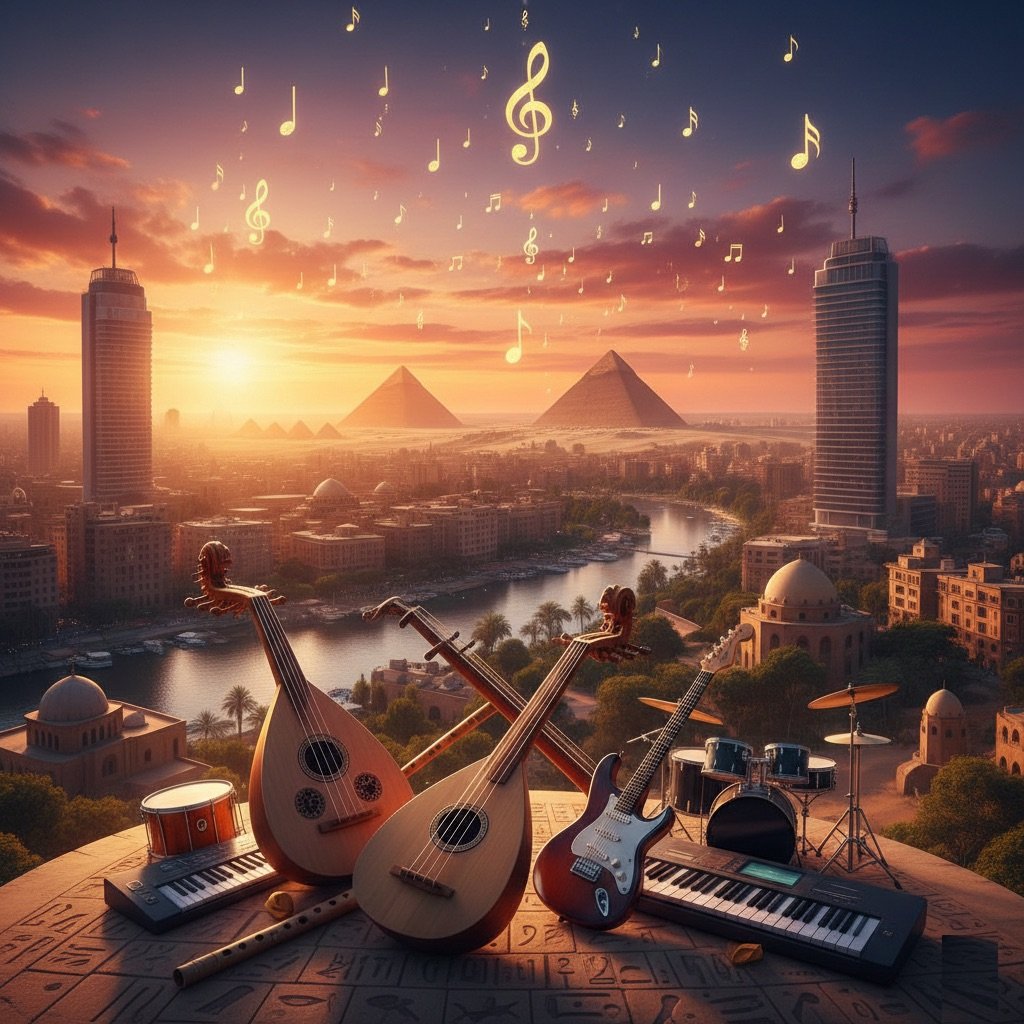
Today, Cairo also hosts indie bands, electronic producers, and experimental artists who blend tradition with modern sound.
Listening in Egypt means hearing the past and present in harmony.
Lebanon: A Fusion of Tradition, Pop, and Artistic Experimentation
Lebanon’s music scene is known for its creativity, blending classical Arabic traditions with Western influences.
Across Beirut and other cultural hubs, this mix feels both historic and forward‑looking. Traditional Arabic maqam, poetic lyricism, and ornate vocal styles coexist with jazz harmonies, electronic production, indie experimentation, and orchestral arrangements. The result is a sound shaped by centuries of cultural exchange — from Levantine folk roots to cosmopolitan influences that arrived through trade, migration, and the city’s long role as a regional artistic center.
Beirut’s Artistic Energy
Beirut’s neighborhoods are filled with live venues, cultural spaces, and underground clubs where musicians experiment with jazz, indie, electronic, and fusion styles.
Traditional Meets Modern
Lebanese music often blends folk rhythms with contemporary arrangements, creating a sound that feels both nostalgic and forward‑thinking.
A Hub for Regional Talent

Beirut has long been a gathering place for artists across the Middle East, contributing to its vibrant and diverse music culture.
Listening in Lebanon means hearing a musical identity that thrives on contrast: classical instruments alongside synthesizers, traditional rhythms woven into pop structures, and voices that carry both nostalgia and modern edge. It’s a scene defined by reinvention, where heritage and innovation continually shape one another.
Turkey: A Bridge Between East and West
Turkey’s music reflects its unique position between Europe and Asia, blending Anatolian folk, Ottoman classical traditions, and modern genres.
Istanbul’s Cultural Crossroads
Istanbul’s historic districts, waterfront neighborhoods, and modern venues create a dynamic environment where traditional ensembles and electronic artists share the same cityscape.
Anatolian Folk and Rock
Anatolian folk music, with its distinctive rhythms and instruments, has inspired generations of musicians — including the rise of Anatolian rock, a genre that blends folk melodies with electric guitars.
Contemporary Scenes

Istanbul’s indie, jazz, and electronic scenes continue to grow, attracting musicians from around the world.
Listening in Turkey means hearing centuries of cultural exchange.
Iran: Classical Traditions and Underground Creativity
Iran’s music is deeply tied to poetry, spirituality, and classical modal systems, yet the country also has a thriving underground scene.
Persian Classical Music
Persian classical traditions emphasize improvisation, emotional expression, and intricate melodic structures. Instruments like the tar, setar, and santur define its sound.
Regional Folk Styles
Different regions of Iran have their own folk traditions, each with unique rhythms and instruments.
Modern and Underground Scenes
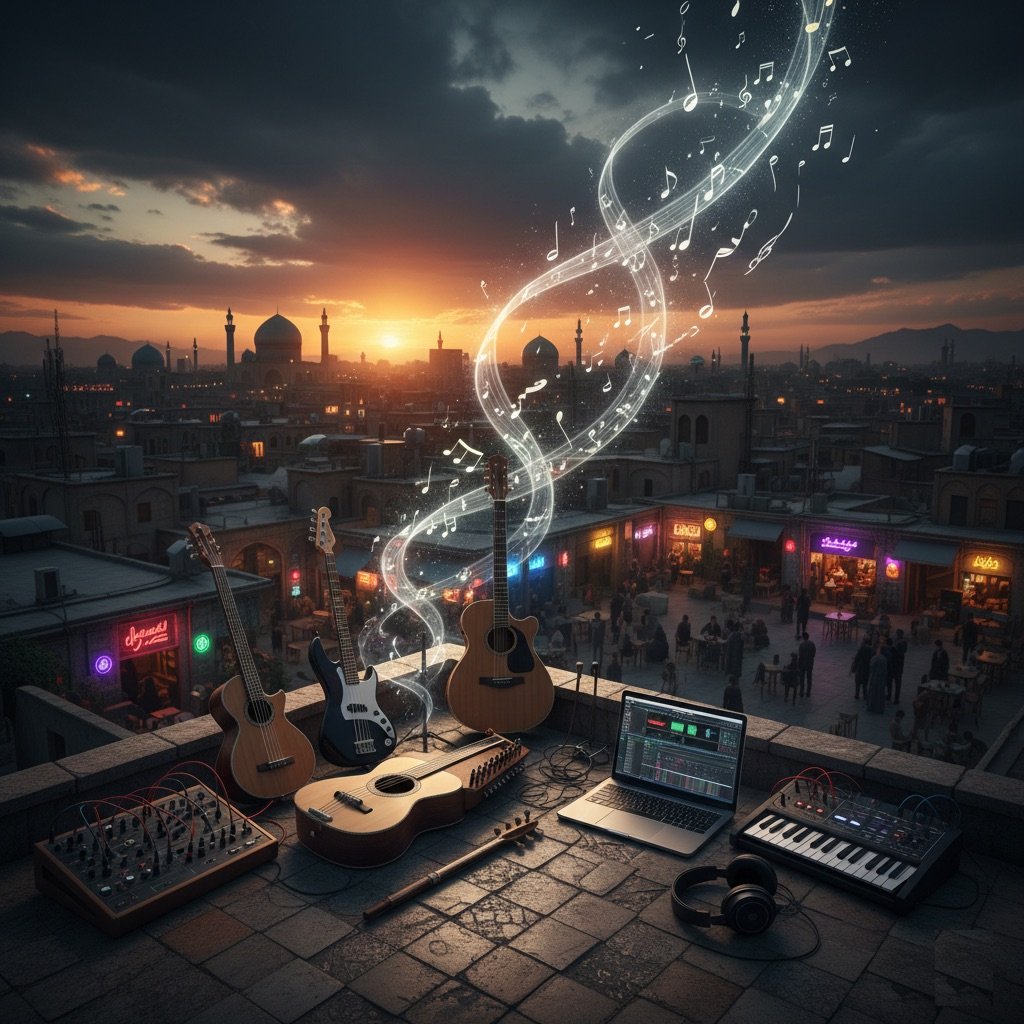
Despite restrictions, Iran’s underground musicians — from rock bands to electronic producers — continue to create and share new sounds.
Listening in Iran means hearing resilience, artistry, and deep cultural roots.
The Gulf: Rhythms of the Sea and Modern Pop Movements
The Gulf region blends maritime traditions, Bedouin heritage, and contemporary pop culture.
Traditional Rhythms
Music tied to pearl diving, seafaring, and desert life remains central to Gulf identity. Percussion plays a major role in these traditions.
Modern Pop and Fusion
Cities across the Gulf host festivals, concerts, and cultural events that highlight both traditional music and modern pop influences.
Growing Creative Hubs
Urban centers continue to develop music scenes that attract regional and international artists.
Listening in the Gulf means hearing tradition evolve in real time.
Israel and Palestine: Folk Traditions and Contemporary Expression
The region’s music reflects a blend of cultural influences, folk traditions, and modern experimentation.
Folk and Classical Roots
Traditional melodies, regional instruments, and community celebrations shape the region’s musical identity.
Modern Genres
Indie bands, jazz ensembles, and electronic artists contribute to a diverse and evolving music scene.
Cultural Fusion

The region’s complex history and cultural diversity create a soundscape that is layered, expressive, and constantly evolving.
Listening here means hearing stories of identity, heritage, and creativity.
Why Listening in the Middle East Feels Transformative
The Middle East’s music is shaped by:
- ancient traditions
- poetry and storytelling
- cultural exchange
- regional identity
- modern experimentation
- community expression
Listening across the region means experiencing a soundscape where history and innovation coexist.

 InternetMusicPlayer | INSPIRATION
5 Music Books to Take with You for Inspiration | Creative Companions for the Traveling Musician
Every musician needs a spark — something to shake loose new ideas, shift perspective, or remind you why you create in the first place. Sometimes that spark comes from a place, a sound, or a...
Frequently Asked Questions
What makes Middle Eastern music unique?
Its modal systems, traditional instruments, and deep connection to poetry and storytelling create a sound unlike any other.
Which Middle Eastern city has the most vibrant music scene?
Cities like Cairo, Beirut, Istanbul, and others each offer distinct and influential music cultures.
Is Middle Eastern music only traditional?
No — the region has thriving indie, electronic, fusion, and experimental scenes.
Can travelers experience live music in the Middle East?
Yes, many cities host concerts, cultural events, and traditional performances.
What instruments are common in Middle Eastern music?
The oud, qanun, ney, darbuka, and various regional instruments are widely used.
Are modern genres popular in the Middle East?
Absolutely — pop, hip‑hop, electronic, and fusion genres continue to grow.
Does each country have its own musical style?
Yes, every region has unique traditions shaped by history, culture, and community.
Final Thoughts
Listening in the Middle East is a journey through ancient traditions and modern creativity — a region where music is woven into daily life, cultural identity, and artistic expression. From classical ensembles to underground electronic scenes, every destination offers a unique sound shaped by history and innovation. Exploring these places reveals how deeply music connects people across time, inviting listeners and travelers to experience the Middle East through its rhythms, melodies, and stories.
Africa | Europe | South America | North America | Asia | The Caribbean
The Middle East | Oceania | The United Kingdom