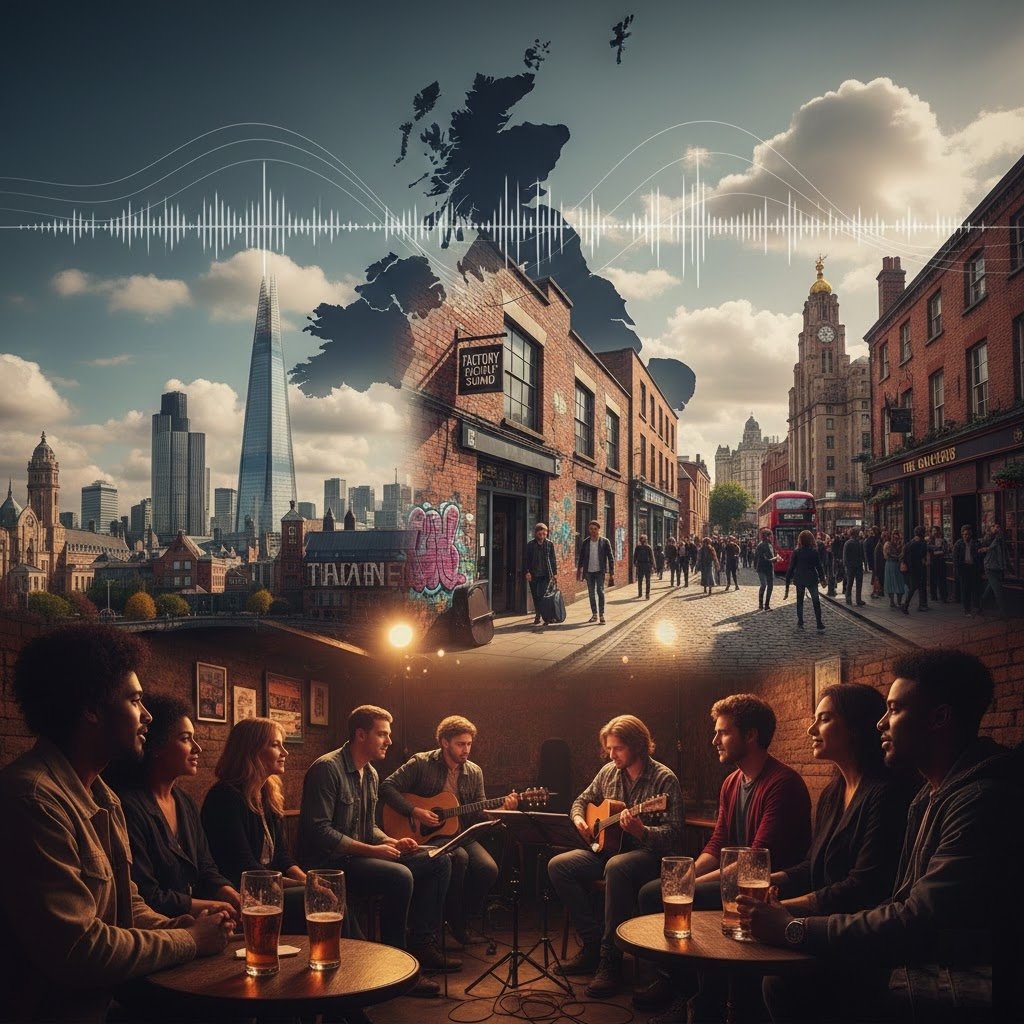
The United Kingdom is one of the most influential music regions in the world — a place where rock, punk, electronic, pop, folk, and countless subcultures were born or transformed. Listening in the United Kingdom means tuning into cities that shaped global music history, from London’s iconic studios to Manchester’s club culture, from Liverpool’s Merseybeat legacy to Glasgow’s indie scenes. Across England, Scotland, Wales, and Northern Ireland, the UK’s sound is a blend of tradition, rebellion, innovation, and cultural identity.
This guide explores the clubs, studios, and legendary music cities that define the UK’s musical landscape — and how listeners and travelers can experience them today.
 OPENSTREETMAP
United Kingdom
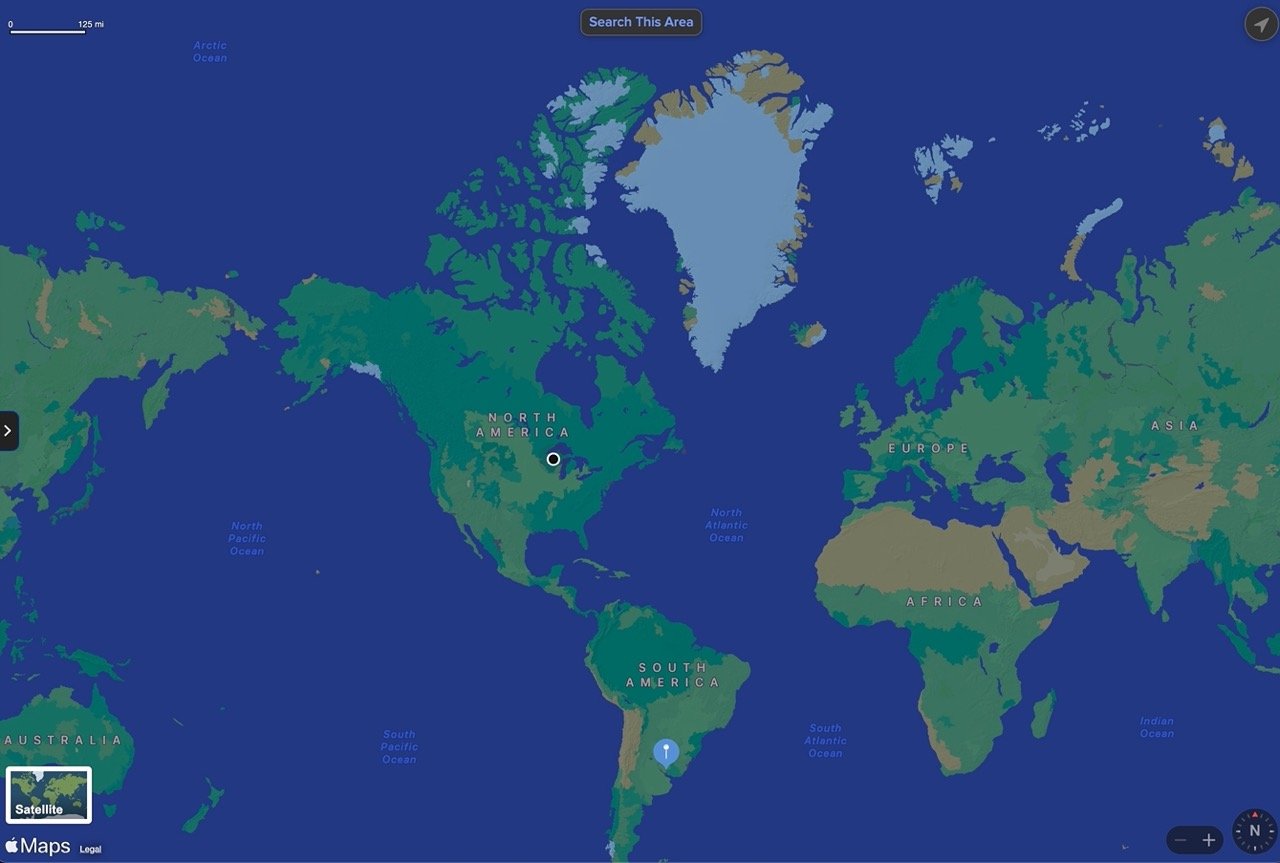
Maps are essential for visualizing location-based information. Explore the area related to "United Kingdom" and find points of interest nearby.
A Nation That Reinvented Modern Music
The UK’s music identity is built on:
- groundbreaking bands
- influential producers
- historic studios
- vibrant club culture
- regional scenes
- genre‑defining movements
Listening here means hearing the roots of global pop culture and the evolution of modern sound.
London: Studios, Subcultures, and Global Influence


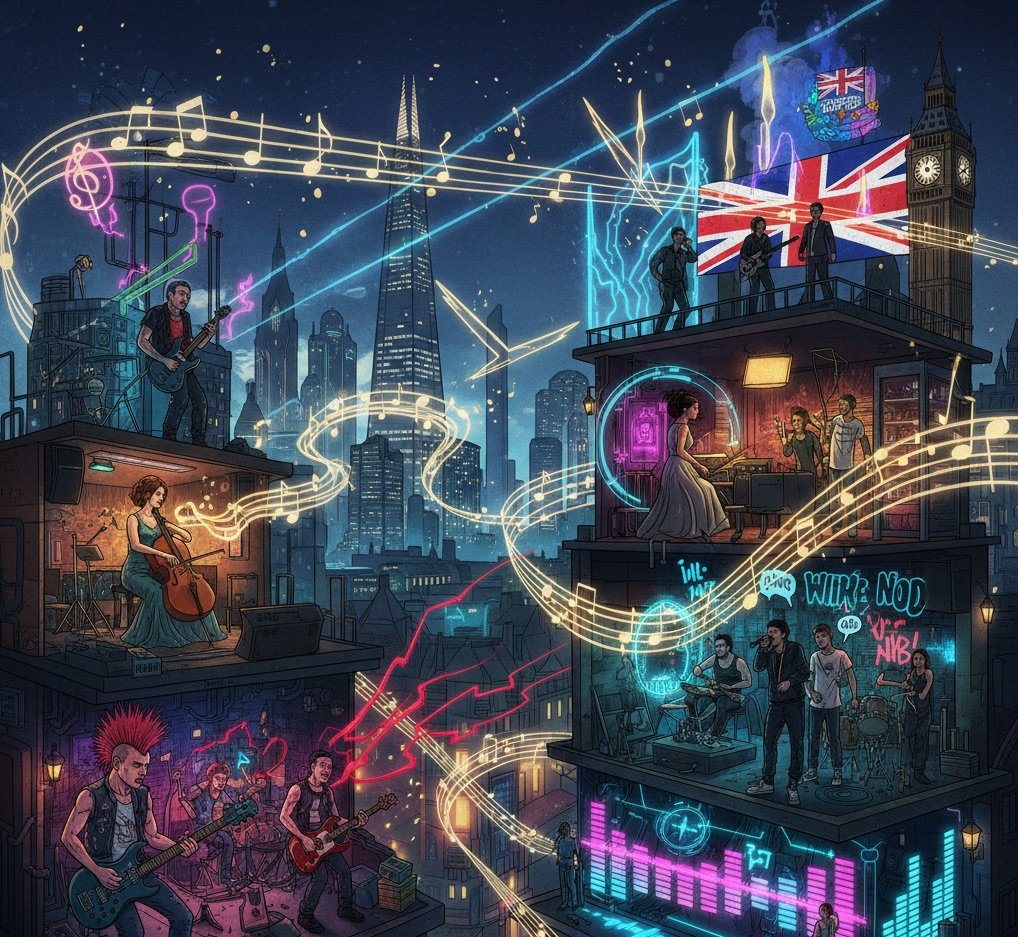
London is the UK’s musical epicenter — a city where genres collide, evolve, and spread worldwide.
Iconic Recording Studios
London’s studios helped shape some of the most influential albums in history. Their legacy continues through modern artists who record, experiment, and innovate within the city’s creative neighborhoods.
Clubs and Nightlife
London’s club culture is legendary. From underground electronic venues to historic rock clubs, the city’s nightlife has fueled countless movements and continues to attract global talent.
Genre Diversity
London is home to grime, UK garage, drum and bass, punk, indie, and modern pop — each shaped by the city’s multicultural identity.
Listening in London means hearing the pulse of global music innovation.
Liverpool: The Birthplace of Merseybeat and Modern Pop
Liverpool’s musical legacy is woven into its streets, venues, and waterfront.
Merseybeat and Pop History
Liverpool’s early pop scene helped define modern music. Its energetic sound, shaped by local bands and community venues, became a global phenomenon.
Historic Venues
The city’s clubs and performance spaces remain central to its identity, offering live music that reflects both tradition and modern creativity.
Cultural Pride
Liverpool’s music culture is celebrated through festivals, museums, and community events that honor its global influence.
Listening in Liverpool means hearing the roots of modern pop.
Manchester: Clubs, Indie Scenes, and Electronic Innovation
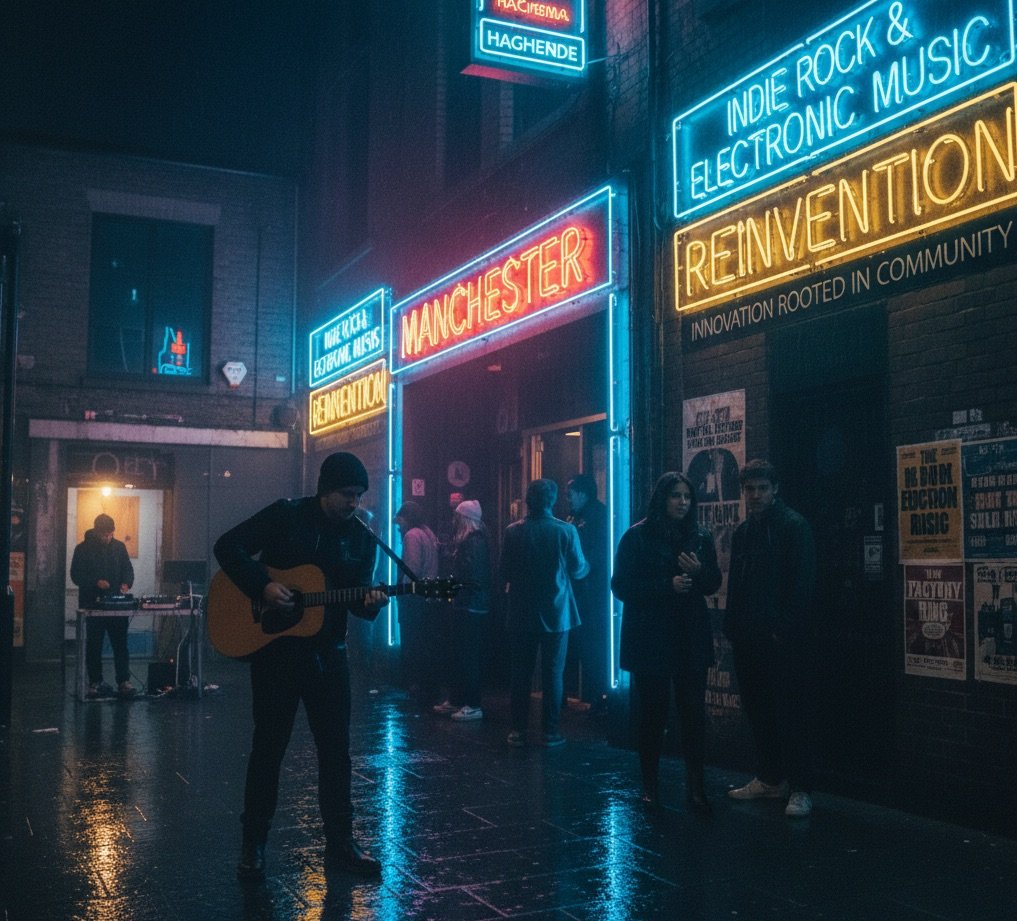
Manchester is a city of reinvention — a place where indie rock, electronic music, and club culture thrive.
Indie and Alternative Legacy
Manchester’s indie scene shaped generations of musicians. Its bands, venues, and creative communities continue to influence global music.
Electronic and Club Culture
The city’s clubs helped define modern electronic music. Their energy, experimentation, and community spirit remain central to Manchester’s identity.
Creative Neighborhoods
Manchester’s districts are filled with studios, rehearsal spaces, and venues that support emerging artists.
Listening in Manchester means hearing innovation rooted in community.
Glasgow: Indie Spirit and Cultural Creativity
Glasgow is one of the UK’s most vibrant music cities — a place where creativity thrives across genres.
Indie and Alternative Scenes
Glasgow’s indie scene is known for its authenticity, experimentation, and strong community support.
Live Venues
The city’s venues host everything from folk sessions to electronic nights, reflecting its diverse musical identity.
Cultural Influence
Glasgow’s artistic neighborhoods contribute to a sound that feels both modern and deeply connected to local culture.
Listening in Glasgow means hearing creativity without boundaries.
Bristol: Bass Culture and Experimental Sound
Bristol is a hub for electronic innovation, known for its bass‑driven genres and experimental spirit.
Trip‑Hop and Electronic Movements
Bristol’s electronic scene helped shape modern downtempo, trip‑hop, and experimental music.
Bass Culture
The city’s sound systems, clubs, and producers continue to influence global electronic music.
Creative Fusion
Bristol blends punk, hip‑hop, electronic, and indie influences into a unique sonic identity.
Listening in Bristol means hearing the evolution of underground sound.
Cardiff and Wales: Folk Traditions and Modern Voices
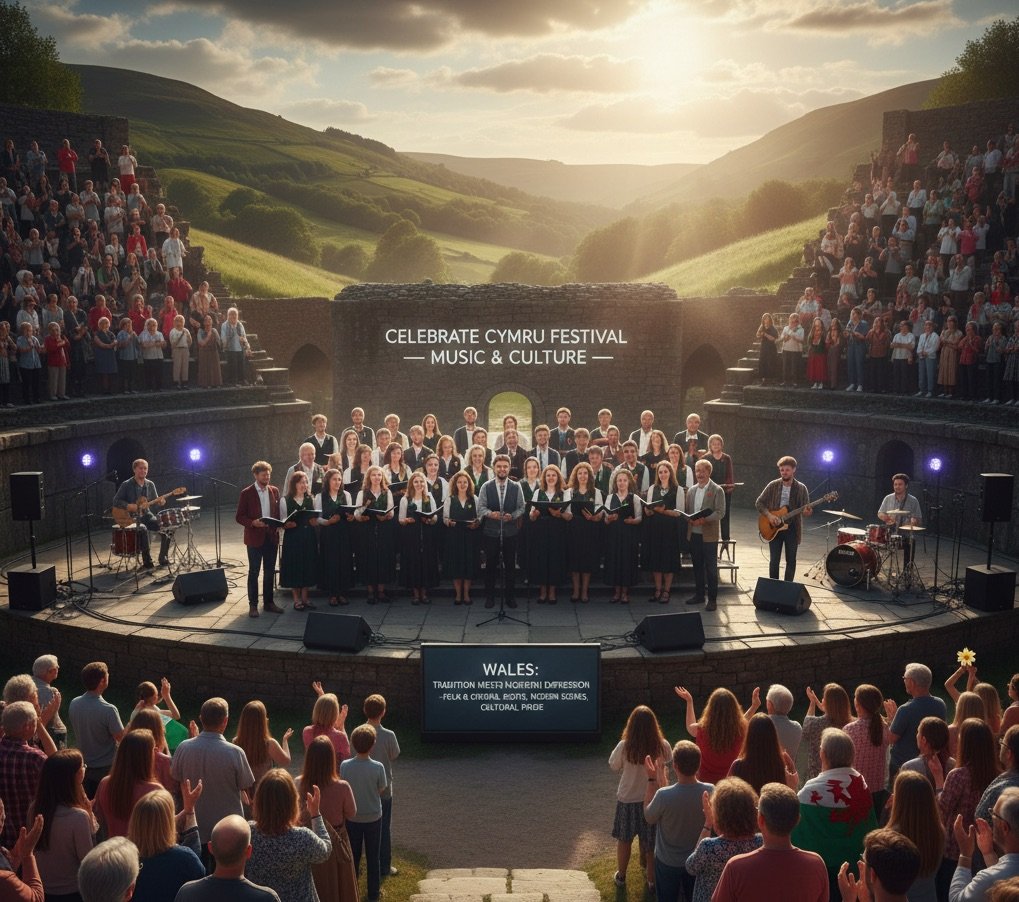
Wales has a strong musical heritage shaped by folk traditions, choral singing, and modern creativity.
Folk and Choral Roots
Traditional Welsh music emphasizes harmony, storytelling, and community expression.
Modern Scenes
Cardiff hosts indie, rock, and electronic movements that reflect the region’s evolving identity.
Cultural Pride
Music remains central to Welsh culture, celebrated through festivals and community gatherings.
Listening in Wales means hearing tradition meet modern expression.
Belfast and Northern Ireland: Rock, Folk, and Cultural Identity
Northern Ireland’s music reflects resilience, creativity, and regional pride.
Rock and Alternative Scenes
Belfast’s rock and indie scenes continue to grow, supported by venues and creative communities.
Folk Traditions
Traditional Irish music remains central to cultural gatherings, featuring fiddles, flutes, and rhythmic storytelling.
Modern Movements
Electronic, pop, and experimental artists contribute to a diverse and evolving sound.
Listening in Northern Ireland means hearing history and modernity side by side.
Why Listening in the United Kingdom Feels Like Exploring Music History
The UK’s music is shaped by:
- cultural diversity
- regional identity
- innovation and experimentation
- historic venues and studios
- global influence
- community creativity
Listening across the United Kingdom means experiencing a soundscape that shaped — and continues to shape — modern music.

 InternetMusicPlayer | GEAR & SETUPS
Musician Trip Preparations | Planning Ahead for Travel
Traveling as a musician isn’t just about packing your gear — it’s about preparing your creative life for movement. Whether you’re heading out for a weekend getaway, a long international trip, or a slow‑travel adventure,...
Frequently Asked Questions
What makes the UK’s music unique?
Its blend of regional scenes, cultural diversity, and global influence creates a sound found nowhere else.
Which UK city is most influential in music history?
London, Liverpool, and Manchester each shaped major genres and movements.
Is UK music only rock and pop?
No — the UK has thriving electronic, indie, folk, hip‑hop, and experimental scenes.
Can travelers experience live music across the UK?
Absolutely — clubs, pubs, concert halls, and festivals are everywhere.
What instruments are common in UK music?
Guitars, drums, electronic instruments, and traditional folk styles.
Are modern UK genres globally influential?
Yes — electronic music, grime, indie, and pop have major global impact.
Do different regions have distinct musical identities?
Every region has its own traditions shaped by history, culture, and community.
Final Thoughts
Listening in the United Kingdom is a journey through clubs, studios, and legendary music cities — a region where rock revolutions, electronic innovation, folk traditions, and modern pop coexist. From London’s global influence to Manchester’s club culture, from Liverpool’s pop legacy to Glasgow’s indie spirit, every destination offers a unique sound shaped by creativity and history. Exploring these cities reveals how deeply music is woven into UK identity, inviting listeners and travelers to experience the region through its rhythms, stories, and evolving scenes.
Africa | Europe | South America | North America | Asia | The Caribbean
The Middle East | Oceania | The United Kingdom