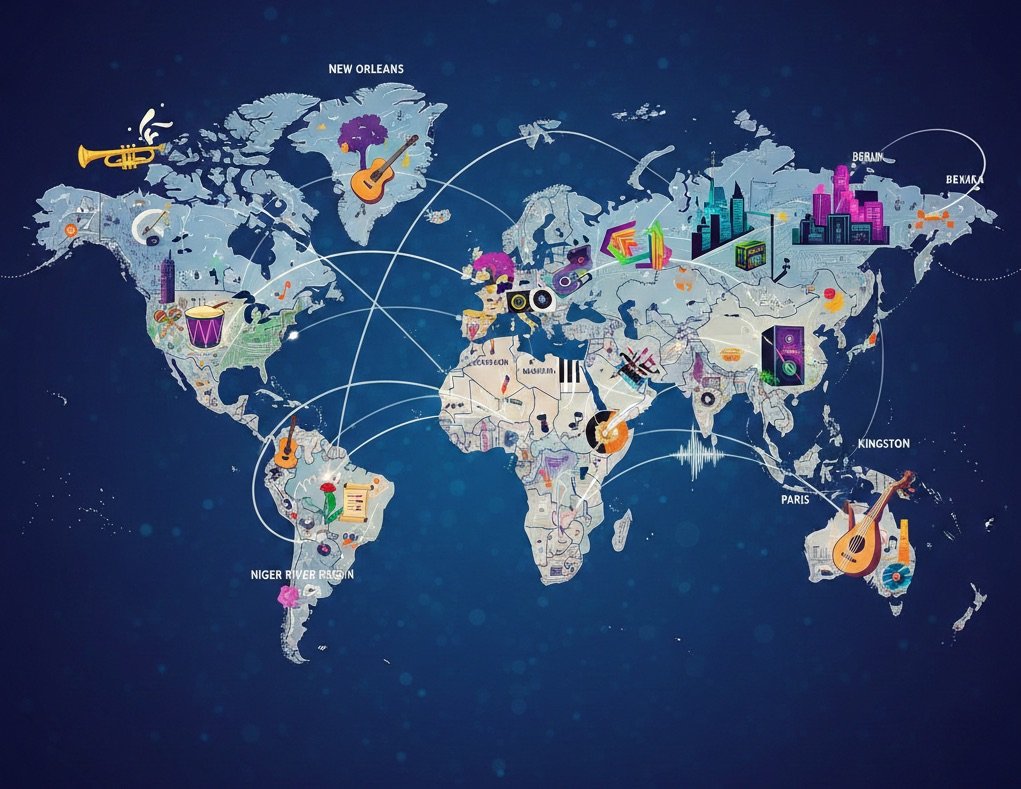
Music is one of the most universal languages on Earth — a force that connects cultures, tells stories, and reveals the soul of a place. Listening to Music Around the World is more than exploring genres or playlists. It’s a way of traveling with intention, tuning into the rhythms, histories, and communities that shape global sound. For musicians, producers, songwriters, and curious listeners, exploring the world through music offers a deeper understanding of how creativity evolves across borders.
This guide serves as a musician’s introduction to creative travel — a journey through the places, traditions, and modern scenes that define the world’s musical identity.
Why Travel Through Music?
Every destination has a soundtrack. Whether it’s the pulse of a city, the harmony of a village choir, or the echo of drums across open landscapes, music reveals:
- cultural identity
- community values
- historical memory
- artistic expression
- regional storytelling
- modern innovation
Listening while traveling helps musicians and music lovers connect with places on a deeper level — not just seeing the world, but hearing it.
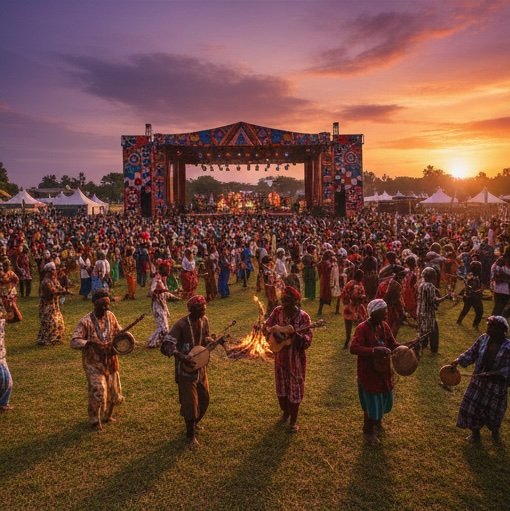
The World’s Music as a Living Map
Music is shaped by geography, migration, and cultural exchange. Traveling through sound means exploring:
- Africa’s rhythmic foundations
- Asia’s classical systems and modern movements
- Europe’s historic cities and electronic revolutions
- North America’s genre‑defining innovations
- South America’s dance‑driven traditions
- The Caribbean’s island rhythms
- The Middle East’s ancient and modern fusion
- Oceania’s island harmonies and Pacific identity
Each region offers a unique sonic fingerprint — a blend of tradition, creativity, and community.
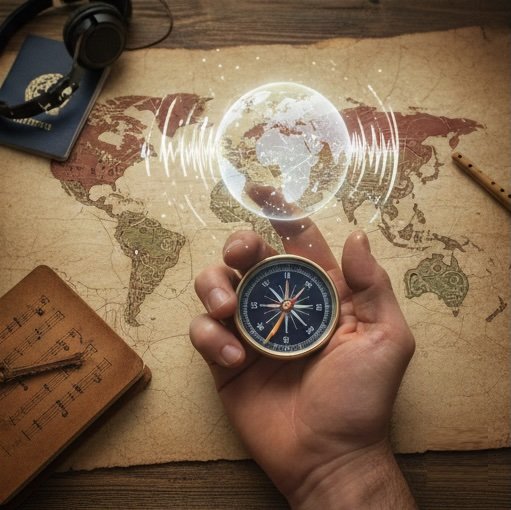
Listening as a Traveler: How to Experience Music Authentically
Traveling through music isn’t about chasing tourist performances. It’s about seeking out the real, lived experiences that shape a region’s sound.
1. Visit Local Venues and Community Spaces
Small clubs, neighborhood bars, cultural centers, and street performances often reveal the most authentic music scenes.
2. Explore Historic Music Districts
Many cities have neighborhoods tied to genre origins, legendary artists, or iconic studios.
3. Attend Festivals and Cultural Celebrations
Festivals offer a concentrated look at regional identity — from traditional ceremonies to modern showcases.
4. Listen to Regional Instruments
Hearing instruments in their cultural context reveals their emotional and historical significance.
5. Talk to Local Musicians
Conversations with artists, producers, and performers offer insights no guidebook can match.
6. Follow the Sound, Not the Schedule
Some of the best musical moments happen spontaneously — in markets, plazas, beaches, and community gatherings.
Listening as a traveler means staying open, curious, and present.
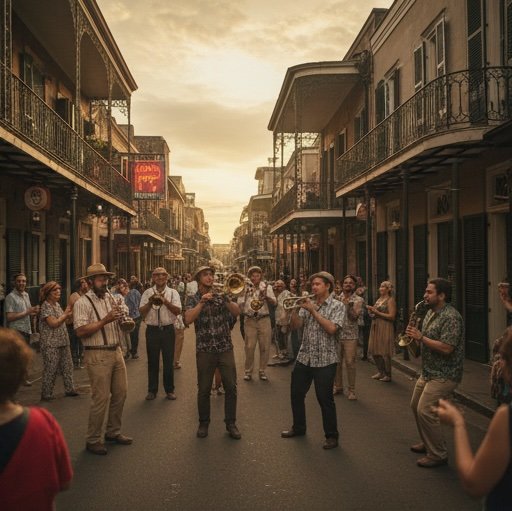
Global Music Traditions That Shape the World
Across continents, certain traditions stand out as pillars of global sound.
Rhythm as Storytelling
From West African drumming to Brazilian samba, rhythm often carries cultural memory and community identity.
Melody as Emotion
Indian ragas, Middle Eastern maqam, and European classical traditions use melody to express mood, spirituality, and narrative.
Voice as Heritage
Choral traditions in Oceania, folk songs in Europe, and Indigenous vocal styles across the Americas reflect deep cultural roots.
Dance as Expression
Music and movement are inseparable in many regions — from tango to bhangra to Caribbean soca.
Listening globally means recognizing how these elements shape modern genres.

Modern Movements: How Global Music Continues to Evolve
Today’s music scenes are more interconnected than ever. Travelers can experience:
- electronic producers blending traditional rhythms with modern sound
- indie artists reinterpreting folk traditions
- hip‑hop movements shaped by local identity
- fusion genres that cross borders
- global pop influenced by regional styles
- underground scenes redefining creativity
The world’s music is constantly evolving — and traveling through it reveals how tradition and innovation coexist.

How Musicians Benefit from Traveling Through Sound
For musicians, traveling with a listening mindset can spark:
- new rhythmic ideas
- melodic inspiration
- fresh production techniques
- cross‑cultural collaboration
- deeper understanding of genre origins
- creative breakthroughs
Hearing music in its cultural context often transforms how artists write, perform, and think about sound.

Tips for Building Your Own Global Listening Journey
Create a Travel Playlist Before You Go
Explore regional genres to build context before arriving.
Record Field Notes
Capture sounds, rhythms, and impressions that inspire you.
Visit Local Music Shops
Instruments, vinyl, and regional recordings offer insight into local taste and tradition.
Support Local Artists
Attend shows, buy music, and share their work — it strengthens communities and preserves culture.
Stay Curious
Ask questions, follow recommendations, and let the journey guide your ears.
Listening around the world is a lifelong practice — not a checklist.

 InternetMusicPlayer | DESTINATIONS
Listening in North America | Genres Born Across a Continent
Listening in North America means tuning into the places that gave rise to blues, jazz, country, hip‑hop, rock, folk, bluegrass, Tejano, and dozens of other influential styles. From the Mississippi Delta to the streets of...
Frequently Asked Questions
Why travel through music?
It offers a deeper cultural connection and reveals the stories, traditions, and identities behind each destination.
Is global music only traditional?
No — modern scenes like electronic, hip‑hop, indie, and fusion are thriving worldwide.
How can musicians benefit from music‑focused travel?
Travel sparks creativity, introduces new rhythms and instruments, and inspires fresh artistic ideas.
Do different regions have distinct musical identities?
Absolutely — geography, history, and culture shape each region’s sound.
Can travelers experience live music anywhere in the world?
Yes — from street performances to festivals, music is present in nearly every destination.
Is it important to understand the culture behind the music?
Understanding context deepens appreciation and helps travelers connect more authentically.
Final Thoughts
Listening to music around the world is a journey through culture, creativity, and human connection. Every region offers its own rhythms, stories, and traditions — and exploring them reveals how deeply music shapes our understanding of place. For musicians and curious listeners, traveling through sound is a way to experience the world with open ears and an inspired heart.